Wednesday, 31 December 2025

Aniracetam vs Piracetam: A Comprehensive Comparison of Two Popular Racetams

aniracetam vs piracetam

Racetams hold a special place as some of the most well-known and widely used cognitive enhancers. Among these, Aniracetam and Piracetam stand out as popular choices for those seeking to boost their mental performance. This comprehensive comparison aims to explore the similarities and differences between these two compounds, providing valuable insights for both newcomers and experienced nootropic users.

What Are Aniracetam and Piracetam?

Aniracetam and Piracetam are both synthetic compounds belonging to the racetam family of nootropics. Piracetam, developed in the 1960s, is considered the prototypical racetam and has been extensively studied. Aniracetam, introduced later, is often described as a more potent derivative of Piracetam.[1]

Origins and Development

Piracetam was first synthesized by Dr. Corneliu E. Giurgea in 1964 and is considered the first nootropic drug. Its development led to the coining of the term "nootropic" itself. Aniracetam, on the other hand, was developed in the 1970s by Hoffmann-La Roche as a potential treatment for cognitive disorders. Both compounds have since been studied for various cognitive and neurological applications.

Chemical Structure and Properties

aniracetam vs piracetam

While both Aniracetam and Piracetam share the pyrrolidone nucleus characteristic of racetams, their chemical structures differ significantly. Piracetam has a simpler structure, while Aniracetam features an anisoyl group, which contributes to its lipophilic nature. This structural difference influences their absorption, distribution, and overall effects in the body.[2]

How Do Aniracetam and Piracetam Work?

Understanding the mechanisms of action of Aniracetam and Piracetam is crucial for appreciating their effects and potential benefits. While they share some similarities in their modes of action, there are notable differences that contribute to their unique profiles.

Mechanisms of Action

Piracetam's primary mechanism of action involves modulating ion channels and enhancing membrane fluidity in neurons. It also increases cholinergic and glutamatergic neurotransmission. Aniracetam, in addition to these effects, has been shown to modulate AMPA receptors, potentially leading to faster and more efficient synaptic transmission.

Effects on Neurotransmitters

Both compounds influence neurotransmitter systems, but Aniracetam appears to have a more pronounced effect on certain neurotransmitters. Aniracetam has been shown to increase the release of dopamine and serotonin in specific brain regions, which may contribute to its reported anxiolytic and mood-enhancing effects. Piracetam primarily enhances acetylcholine function and may indirectly influence other neurotransmitter systems.

Cognitive Effects and Benefits

The cognitive effects of Aniracetam and Piracetam are a primary reason for their popularity among nootropic users. While both compounds are used to enhance cognitive function, they may offer slightly different benefits.

Memory Enhancement

Both Aniracetam and Piracetam have been studied for their potential to improve memory. Piracetam has shown benefits in various aspects of memory, particularly in older adults or those with cognitive impairment. Aniracetam, while less extensively studied, has demonstrated potential in improving both short-term and long-term memory in animal studies and shows promise in preventing the accumulation of Amyloid-β Plaques in Alzheimer's Disease in human studies. Some users report that Aniracetam's effects on memory feel more pronounced, possibly due to its modulation of AMPA receptors.[3]

Focus and Attention

User reports suggest that Aniracetam may have a slight edge. Its effects on dopamine release and AMPA receptor modulation may contribute to enhanced focus and attentiveness. Piracetam users often report improvements in sustained attention, but the effects may be more subtle compared to Aniracetam.

Anxiety and Mood

Aniracetam stands out for its potential anxiolytic and mood-enhancing effects. Some users report feeling more sociable and experiencing reduced anxiety when taking Aniracetam. Piracetam, while not primarily known for mood effects, may indirectly improve mood by enhancing overall cognitive function and reducing cognitive decline-related frustration in some individuals.

Dosage and Administration

Proper dosing is crucial for maximizing the benefits of both Aniracetam and Piracetam while minimizing potential side effects. The optimal dosage can vary depending on individual factors and desired effects.

Recommended Dosages

Piracetam is typically taken in higher doses compared to Aniracetam. A common dosage range for Piracetam is 1,200-4,800 mg per day, often divided into two or three doses. For Aniracetam, the typical dosage range is 750-1,500 mg per day, also often divided into two or three doses. It's important to note that these are general guidelines, and individual responses may vary.

Absorption and Bioavailability

Aniracetam is fat-soluble and is typically taken with a source of dietary fat to enhance absorption. It has a shorter half-life compared to Piracetam, which may necessitate more frequent dosing for sustained effects. Piracetam is water-soluble and can be taken with or without food. Its longer half-life allows for less frequent dosing in some cases.

Side Effects and Safety Profile

Both Aniracetam and Piracetam are generally considered to have good safety profiles when used as directed. However, like all supplements, they can potentially cause side effects in some individuals.

Common Side Effects

The most commonly reported side effects for both compounds include headaches, gastrointestinal discomfort, and nervousness. Headaches are often attributed to increased acetylcholine activity and may be mitigated by concurrent choline supplementation. Aniracetam users occasionally report fatigue or brain fog, particularly at higher doses.

Long-term Safety

Piracetam has been more extensively studied for long-term use and is generally considered safe for extended periods. Less data is available on the long-term safety of Aniracetam, but current evidence suggests it is well-tolerated. As with any nootropic, cycling and taking occasional breaks is often recommended to prevent tolerance and assess ongoing effects.

User Experiences and Anecdotal Reports

While scientific studies provide valuable information, user experiences and anecdotal reports offer insights into the subjective effects of these compounds. It's important to approach these reports with a critical mindset, as individual experiences can vary widely.

Aniracetam User Reports

Many Aniracetam users report experiencing enhanced verbal fluency, creativity, and social ease. Some describe a noticeable mood lift and reduced anxiety. The onset of effects is often described as more rapid compared to Piracetam, with some users feeling the effects within an hour of ingestion.

Piracetam User Reports

Piracetam users often report more subtle, gradual improvements in cognitive function. Common themes include better memory recall, improved focus during long work sessions, and enhanced ability to grasp complex concepts. Some users report that the full benefits of Piracetam become apparent only after several weeks of consistent use.

My Personal Experience with Aniracetam and Piracetam

In my experience with both Aniracetam and Piracetam, I've noticed distinct differences in their effects and how they integrate into my cognitive enhancement regimen. With Aniracetam, I experienced a more noticeable acute effect, particularly in terms of verbal fluency and creative thinking. I found it particularly useful for tasks requiring quick thinking and articulation, such as presentations or brainstorming sessions.

Piracetam, on the other hand, provided a more subtle but persistent improvement in my overall cognitive function. I noticed enhanced memory recall and an improved ability to concentrate on complex tasks for extended periods. The effects of Piracetam seemed to build up over time, becoming more pronounced after a few weeks of consistent use.

In terms of mood and anxiety, I found Aniracetam to have a more pronounced effect. It seemed to take the edge off social anxiety and made me feel more at ease in social situations. Piracetam didn't have as noticeable an effect on my mood, but I did feel a general sense of improved mental clarity and reduced cognitive fatigue.

Stacking and Synergies

Many users choose to combine Aniracetam or Piracetam with other nootropics to enhance their effects or address specific cognitive goals. Understanding potential synergies can help in creating effective nootropic stacks.

Choline Supplementation

Both Aniracetam and Piracetam are often stacked with a choline source, such as alpha-GPC or citicoline. This combination can enhance the effects of the racetams and potentially reduce the likelihood of headaches. The cholinergic effects of racetams may deplete acetylcholine levels, and supplementing with choline can help maintain optimal levels.

Complementary Nootropics

Aniracetam is sometimes stacked with anxiolytic compounds like L-Theanine to enhance its calming effects. It may also be combined with other racetams for a synergistic cognitive boost. Piracetam is often stacked with other neuroprotective compounds or cognitive enhancers like Bacopa Monnieri or Lion's Mane Mushroom for comprehensive cognitive support.

Legal Status and Availability

The legal status of Aniracetam and Piracetam varies by country and region, which can affect their availability and use.

Regulatory Status

In the United States, both Aniracetam and Piracetam are not approved by the FDA for medical use and are not dietary supplements. They fall into a regulatory gray area and are often sold as research chemicals. In some European countries, Piracetam is available as a prescription medication for certain cognitive disorders. Aniracetam has prescription status in a few countries but is unregulated in many others.

Purchasing and Quality Considerations

Due to their regulatory status, obtaining high-quality Aniracetam and Piracetam can be challenging. It's crucial to purchase from reputable vendors who provide third-party testing results to ensure purity and potency. Users should be aware of the legal implications in their region before purchasing or using these compounds.

Conclusion: Choosing Between Aniracetam and Piracetam

Deciding between Aniracetam and Piracetam depends on individual goals, preferences, and responses to these compounds. Both play significant roles in the central nervous system and have been subjects of numerous studies in humans and animals.

Here are some key considerations when comparing Aniracetam vs Piracetam:

  1. Onset and Duration: Aniracetam tends to have a more rapid onset but shorter duration, while Piracetam's effects are more gradual but longer-lasting. This difference can impact their efficacy in supporting learning, memory formation, and overall cognition.
  2. Specific Cognitive Benefits: Aniracetam may be preferable for those seeking improvements in verbal fluency and creative thinking, while Piracetam might be better for general cognitive enhancement and memory support. Both have shown potential in addressing memory loss and improving alertness in various trials.
  3. Mechanism of Action: Aniracetam acts as a modulator of glutamate receptors, particularly AMPA receptors, which may contribute to its effects on memory and learning. Piracetam's mechanism is less specific but involves changes in membrane fluidity and neurotransmitter function.
  4. Mood and Anxiety: If anxiety reduction is a goal, Aniracetam might be the better choice due to its reported anxiolytic effects. Studies in both humans and animals have shown promising results in this area.
  5. Dosing Convenience: Piracetam's longer half-life may allow for less frequent dosing, which some users find more convenient. The optimal number of doses per day can vary between the two compounds.
  6. Research Background: Piracetam has a longer history of research and use, which may be reassuring for those concerned about long-term safety and efficacy. It has been studied extensively in the context of cognitive decline and dementia.
  7. Individual Response: Ultimately, personal experience is crucial. Some individuals may respond better to one compound over the other. The process of finding the right nootropic often involves careful self-observation and adjustment.
  8. Availability and Forms: Both Aniracetam and Piracetam are available in various forms, including Aniracetam powder and Piracetam tablets (sometimes sold under the brand name Nootropil). The choice of form can affect absorption and convenience of use.
  9. Comparison with Other Racetams: When considering Aniracetam and Piracetam, it's worth noting their relation to other racetams like Oxiracetam, Nefiracetam, and Phenylpiracetam. Each of these compounds has its unique profile of effects and potential benefits.
  10. Noopept Consideration: Although not a racetam, Noopept is often compared to Aniracetam and Piracetam due to its similar cognitive-enhancing effects. Some users find it to be a potent alternative to traditional racetams.
  11. Stacking Potential: Both Aniracetam and Piracetam can be used in nootropic stacks. Some users experiment with combinations like Aniracetam and Phenylpiracetam or Piracetam and Aniracetam to achieve synergistic effects.
  12. Safety and Risks: While both compounds are generally considered safe when used as directed, it's important to be aware of potential risks and side effects. Long-term studies on large groups of people are limited, particularly for Aniracetam.
  13. Cognitive Decline and Amnesia: Both Piracetam and Aniracetam have been studied for their potential in addressing cognitive decline and various forms of amnesia, with Piracetam having more extensive research in this area.
  14. Learning and Study Aid: Many students and professionals use these compounds to support learning and enhance study efficiency. The choice between Aniracetam vs Piracetam in this context often comes down to individual response and specific cognitive demands.

Both Aniracetam and Piracetam offer potential cognitive benefits, and some users even choose to use both in their nootropic regimen, either alternating or combining them. As with any nootropic, it's advisable to start with lower doses, carefully monitor effects, and consult with a healthcare professional, especially if you have pre-existing health conditions or are taking other medications.

The world of nootropics is vast and complex, and Aniracetam and Piracetam represent just two options among many. By understanding their similarities, differences, and potential effects, users can make informed decisions about incorporating these racetams into their cognitive enhancement strategies. Whether choosing Aniracetam vs Piracetam, combining them, or exploring other options like Phenylpiracetam or Noopept, the key is to approach nootropic use with careful consideration of individual needs, goals, and responses.

References
  1. Winblad, Bengt. “Piracetam: a review of pharmacological properties and clinical uses.” CNS drug reviews vol. 11,2 (2005): 169-82. doi:10.1111/j.1527-3458.2005.tb00268.x
  2. Lee, C R, and P Benfield. “Aniracetam. An overview of its pharmacodynamic and pharmacokinetic properties, and a review of its therapeutic potential in senile cognitive disorders.” Drugs & aging vol. 4,3 (1994): 257-73. doi:10.2165/00002512-199404030-00007
  3. Love, Robert W B. “Aniracetam: An Evidence-Based Model for Preventing the Accumulation of Amyloid-β Plaques in Alzheimer's Disease.” Journal of Alzheimer's disease : JAD vol. 98,4 (2024): 1235-1241. doi:10.3233/JAD-231247


source https://nootropicology.com/aniracetam-vs-piracetam/

Is Phenibut Legal in The US?

phenibut_usa

Phenibut is a dietary supplement derived from GABA. It was developed in the 1960s in Russia and used to treat a variety of conditions including anxiety, stress, depression, PTSD, insomnia and epilepsy.

Like other nootropics, Phenibut has been used by students and professionals to improve cognitive function. Many people believe that it enhances motivation and memory recall.

Most nootropic users are aware of the benefits of Phenibut as a supplement. They are less aware of its legality. So is Phenibut legal in the US? Let's find out.

Legality of Phenibut In The United States

The dietary supplement industry is a lucrative one, with an annual growth rate of 6%. In 2013, the US supplement industry had a market size of $47 billion and with the increased popularity of nootropics such as Phenibut, its profitability is likely to rise.

However, in the US, the sale and manufacture of dietary supplements with new active ingredients is regulated by the FDA. The Dietary Supplement Health and Education Act of 1994 (DSHEA) did away with the need for premarket approval for dietary supplements and classified them as food items.

The FDA has three mechanisms to control unapproved or illegal compounds in dietary supplements:

Traditionally, Phenibut was not manufactured and sold in the US because it is a modified version of GABA. But recently Phenibut has become more popular than ever before with many people believing that it enhances cognition and memory.

This popularity has led to an increased number of online retailers offering this supplement for sale in capsules and powder form.

How Does the FDA Enforce Its Ban

The agency has limited resources at its disposal so they usually inform online retailers about the regulation that they are flouting. If these retailers continue selling unapproved compounds, then they could be served cease-and-desist letters by the agency, or face civil penalties of up to $132,500 per violation.

Based on this, Phenibut is not illegal in the US as it is not listed in the FDA's rules for banned substances. This, however, doesn't mean that its sale and purchase is legal.

Phenibut is not approved by the FDA as a drug. In fact, it has no recognized therapeutic uses, so any online retailer that sells Phenibut for medicinal reasons could be in violation of federal law.

In addition to this, Phenibut was originally developed in Russia for astronauts and cosmonauts to reduce their anxiety levels. Several case studies have shown that taking Phenibut can lead to withdrawal symptoms such as insomnia and irritability. Therefore, the FDA believes that this supplement can be addictive.

If you are planning to buy or sell Phenibut then you need to consider if they have been approved by the FDA before doing so. By doing so you will avoid any legal issues with the agency and ensure your safety while avoiding any potential dangers associated with unapproved compounds in dietary supplements.

Phenibut Falls Under A Gray Area

Phenibut is not officially legal in the US. However, it is not illegal either. The supplement falls under a gray area as its sale and purchase are not banned by federal law.

Despite this, there have been cases where online retailers have been punished for selling Phenibut for medicinal purposes without FDA approval. Furthermore, no clinical studies about the effectiveness of Phenibut as a nootropic have been conducted in the US so far.

Therefore, if you are looking to buy this supplement, then stick with reputable online retailers who sell approved compounds only. You should always check the label for confirmation of quality and origin before you buy Phenibut pills or powder from an unauthorized retailer.


source https://nootropicology.com/is-phenibut-legal-in-the-us/

Acetyl-L-Carnitine Review: Nootropic Benefits, Side Effects, Dosage & Uses

Acetyl-L-Carnitine

Embarking on what can only be described as a cognitive odyssey, I have encountered a remarkable nootropic known as Acetyl-L-Carnitine (ALCAR).

Derived from L-carnitine, this compound is key to unlocking enhanced cognitive function. Its benefits span from improved memory and heightened focus to safeguarding against age-related cognitive decline.

Acetyl-L-Carnitine nurtures the brain and effortlessly crosses the blood-brain barrier (BBB), granting it unparalleled access to our cerebral command center. Its potential doesn't end there—this versatile nootropic also supports mood enhancement and mental well-being.

So, as usual, join me on this journey as we dive into the science and explore the benefits, side effects, dosage recommendations, and uses of Acetyl-L-Carnitine as a nootropic.

Overview of Acetyl-L-Carnitine (ALCAR)

Acetyl L Carnitine

Acetyl-L-Carnitine (ALCAR, ALC), a fascinating nootropic, emerges as a compelling subject of exploration. Originating as an acetylated form of L-carnitine, an amino acid derivative abundantly present in the human body, ALCAR showcases distinct neuroprotective qualities that set it apart from its parent compound.

Nootropics, often called "smart drugs" or "cognitive enhancers," aim to optimize brain function, cognition, and mental performance. ALCAR stands out as a notable player within this realm, exhibiting promising effects on cognitive health.

The acetylation process, which involves adding an acetyl group, grants ALCAR unique attributes that distinguish it from L-carnitine. This modification allows ALCAR to effortlessly traverse the blood-brain barrier (BBB), a semipermeable defense mechanism safeguarding the central nervous system (CNS). By successfully crossing this barrier, ALCAR gains unparalleled access to the cerebral command center, where it can unleash its neuroprotective prowess.

ALCAR's neuroprotective properties stem from its ability to support cellular energy production and maintain mitochondrial function within the brain, thus preventing age-associated mitochondrial ultrastructural decay in the hippocampus.[1]

Mitochondria, often referred to as the "powerhouses of the cell," play a crucial role in generating adenosine triphosphate (ATP), the primary energy currency of our bodies. By optimizing ATP synthesis, ALCAR ensures that brain cells have the necessary energy reserves to perform at their peak, promoting overall cognitive function and resilience.[2]

Moreover, ALCAR exhibits potent antioxidant effects, counteracting the damaging effects of oxidative stress on brain cells. Oxidative stress, resulting from an imbalance between harmful free radicals and the body's antioxidant defense system, is implicated in various neurodegenerative conditions. ALCAR's ability to scavenge free radicals and bolster antioxidant defenses contributes to preserving neuronal integrity, potentially slowing down age-related cognitive decline.[3]

Beyond its neuroprotective role, ALCAR modulates neurotransmitter levels and enhances the release of acetylcholine (ACh) release—a neurotransmitter crucial for memory formation and learning. By promoting a healthy balance of neurotransmitters, ALCAR may support optimal cognitive processes, including memory, attention, and information processing.

Acetyl-L-Carnitine's Biochemical Pathways

Acetyl-L-Carnitine (ALCAR) exerts its remarkable effects through intricate biochemical processes within the body. Let's delve into this and explore how this nootropic powerhouse influences our cellular metabolism.

Carnitine, an essential nutrient, is obtained from the diet and synthesized within the body. It is a crucial substrate in various reactions, acting as a carrier for acyl groups. Acetylcarnitine, the most abundant naturally occurring derivative, is synthesized through a reaction involving acetyl-CoA and carnitine. In this reaction, the acetyl group displaces a hydrogen atom in the central hydroxyl group of carnitine, forming acetylcarnitine and CoA.

Coenzyme A (CoA), a vital player in the mitochondria's Krebs cycle, is essential for the production of ATP. Acetyl-CoA, which is primarily derived from glucose metabolism, serves as the primary substrate for the Krebs cycle. Once acetyl-CoA is de-acetylated, it must be recharged with an acetyl group to sustain the Krebs cycle's functionality.[4]

Interestingly, most cell types possess transporters that facilitate the import of carnitine and the export of acyl-carnitines. This mechanism appears to help eliminate longer-chain moieties. However, numerous cell types can also import ALCAR, emphasizing its unique role.

Within cells, carnitine plays a vital role in importing acyl-CoA into the mitochondria. The acyl group of acyl-CoA is transferred to carnitine, forming acyl-carnitine. This acyl-carnitine is then imported through both mitochondrial membranes before being transferred back to CoA.

The CoA molecule is subsequently beta-oxidized to produce acetyl-CoA, which sustains the Krebs cycle's energy-generating processes. Another set of enzymes and transporters functions to maintain a balance by eliminating excess acetyl-CoA from inside the mitochondria.

Carnitine accepts the excess acetyl moiety, becoming ALCAR. ALCAR is then transported out of the mitochondria and into the cytosol, ensuring free CoA is available to import fatty acid chains.

ALCAR in the cytosol can form a pool of acetyl groups for CoA when the cell requires it. This adaptive mechanism enables the cell to utilize carbohydrates for energy production at the expense of fatty acids when there is an excess of acetyl-CoA.

Thus, Acetyl-L-Carnitine plays a crucial role in various biochemical pathways. It facilitates the transport of acyl groups, aids in the proper functioning of the Krebs cycle, and helps regulate the balance between different energy sources.

By modulating acetyl-CoA levels, ALCAR influences the utilization of carbohydrates and fatty acids for energy production. Understanding the intricate mechanisms of Acetyl-L-Carnitine's action provides insights into its potential cognitive and metabolic benefits.

Acetyl-L-Carnitine's Mechanism of Action

alcar mechanism of action

Now that we know the basics, we can dive a bit deeper into the science of Acetyl-L-Carnitine's action to see how it works its magic in the brain as a cognitive enhancer and in the body as a metabolic booster.

Acetyl-L-Carnitine (ALCAR) exhibits its multifaceted effects through a complex array of metabolic and neurobiological mechanisms. Research suggests that ALCAR's primary role is to donate an acetyl group during fatty acid metabolism, aiding in the transportation of fatty acids, including acetyl CoA, into the mitochondrial matrix where fatty acid metabolism takes place.[5]

This metabolic function contributes to ALCAR's ability to enhance energy production and optimize mitochondrial function. In addition to its metabolic role, ALCAR has been found to possess neuromodulatory, neurotrophic, and neuroprotective effects. These neurobiological properties are thought to play a significant role in their positive effects on various neurological diseases.

Studies have also indicated that ALCAR has antioxidant properties. Through its interaction with the tyrosine kinase A receptor, ALCAR has been shown to decrease the production of free radicals, peroxidation of lipids, and oxidation of proteins. It can also impact cellular antioxidant systems by decreasing glutathione levels and increasing thioredoxin.[6]

Chemical Structure and Bioavailability of Acetyl-L-Carnitine (ALCAR)

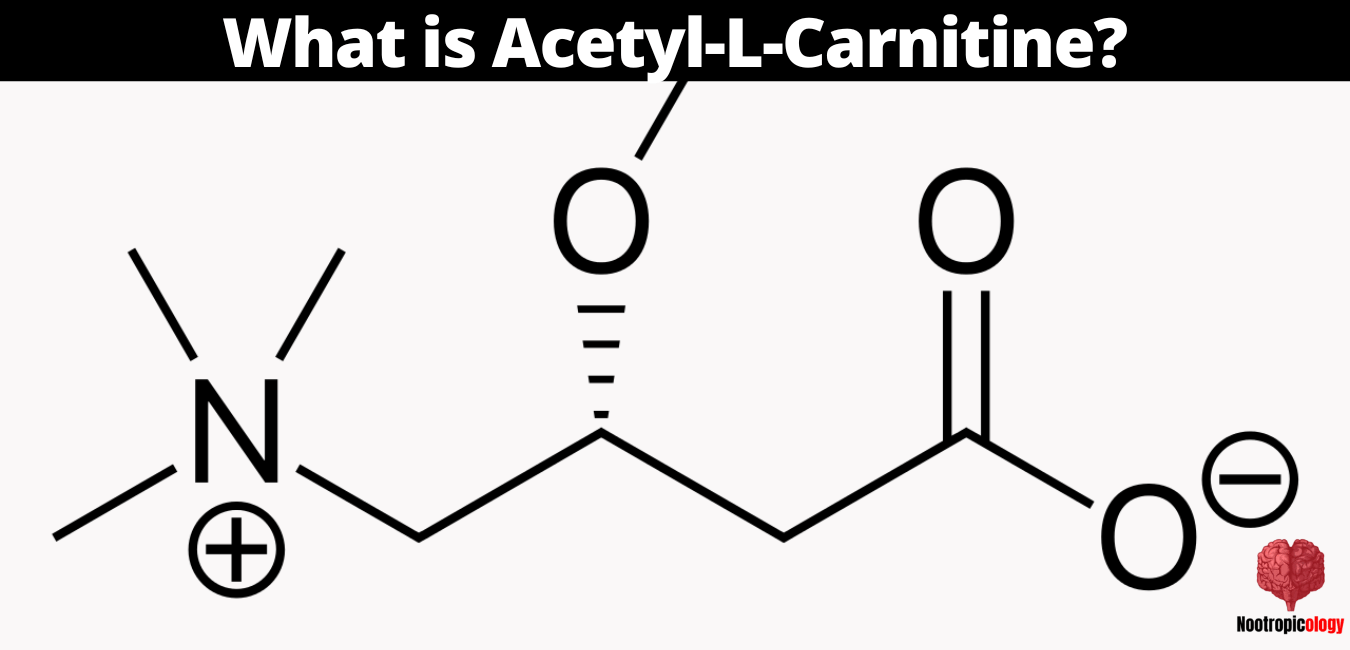
Acetyl-L-Carnitine (ALCAR) is characterized by adding an acetyl group to the nitrogen atom. Its chemical formula is C9H17NO4, and it is categorized as a quaternary ammonium compound. ALCAR's chemical structure, specifically the acetyl moiety, is responsible for its unique biological properties and distinguishes it from its parent compound, L-carnitine.

The bioavailability of Acetyl-L-Carnitine (ALCAR) is estimated to be greater than 10%, implying that more than 10% of the ingested ALCAR is absorbed into the systemic circulation and becomes available at the site of action. This relatively high bioavailability is attributed to its efficient absorption from the gastrointestinal tract through active transport involving the organic cation/carnitine transporter (OCTN2).[7]

Once absorbed into the bloodstream, the acetyl moiety of ALCAR facilitates its ability to cross the blood-brain barrier, which is an essential step for it to exert its effects on the central nervous system. Moreover, ALCAR is not extensively metabolized in the liver, a process that often significantly reduces the bioavailability of many drugs and nootropic supplements.

This bypass of first-pass metabolism, coupled with its ability to cross the blood-brain barrier, contributes to ALCAR's high bioavailability and effectiveness as a nootropic.

Acetyl-L-Carnitine's Role in Acetylcholine (ACh) Synthesis

Acetyl-L-Carnitine (ALC) is crucial in synthesizing Acetylcholine (ACh). According to the study by White and Scates,[8] ALC can act as a precursor for ACh synthesis. The research showed that the synthesis of [3H]acetylcholine from [3H]acetyl-L-carnitine could be achieved in vitro by coupling two critical enzyme systems: choline acetyltransferase and carnitine acetyltransferase.

Furthermore, both [3H] and [14C] labeled acetylcholine were produced when [3H]acetyl-L-carnitine and D-[U-14C] glucose were incubated with synaptosomal membrane preparations from rat brains. 

This transfer of the acetyl moiety from acetyl-L-carnitine to acetylcholine was found to be dependent on the concentration of ALC. Also, it required the presence of coenzyme A, which is usually produced as an inhibitory product of choline acetyltransferase.

This study thereby provided further evidence supporting the role of mitochondrial carnitine acetyltransferase in facilitating the transfer of acetyl groups across mitochondrial membranes. This process is critical as it regulates the availability of acetyl-CoA, a substrate of choline acetyltransferase, in the cytoplasm.

The results also indicate the potential therapeutic benefits of ALC in addressing age-related cholinergic deficits, emphasizing its significant role in ACh synthesis.

Neuroprotective and Cognitive Enhancing Benefits of Acetyl-L-Carnitine

Acetyl-L-Carnitine (ALCAR) plays a substantial role in maintaining neuronal health and promoting neurogenesis - the process of creating new neurons within the brain. Firstly, ALCAR is an essential component of fatty acid metabolism, as it transports long-chain fatty acids into the mitochondria for beta-oxidation, thereby facilitating energy production.

This energy is critical for the functioning and survival of neurons.

Secondly, ALCAR possesses antioxidant properties, helping to neutralize harmful free radicals and reduce oxidative stress in neurons. It also enhances the activity of antioxidant enzymes and promotes the synthesis of glutathione, one of the body's most potent antioxidants. 

Additionally, ALCAR can modulate levels of neurotrophic factors, proteins that promote the survival and differentiation of neurons. For instance, it has been shown to upregulate the expression of nerve growth factor (NGF), thereby supporting neuronal health and neurogenesis.[9]

That said, here are some key cognitive enhancements associated with Acetyl-L-Carnitine:

  • Improved Memory: ALCAR has been shown in several studies to enhance memory in terms of recall and retention. It is believed to do this by increasing acetylcholine levels in the brain, a neurotransmitter that is crucial for memory formation and consolidation.[10]
  • Enhanced Learning: Alongside memory, ALCAR also boosts learning capabilities. This is largely attributed to its role in acetylcholine synthesis and its ability to enhance synaptic transmission, both critical for learning processes.[11]
  • Better Attention and Concentration: ALCAR has been associated with improved attention span and concentration. Through its role in mitochondrial function, its energizing effect on brain cells contributes to this benefit.
  • Neuroprotection and Aging: ALCAR provides neuroprotective benefits that help slow the cognitive decline associated with aging and neurodegenerative diseases. It does this through various mechanisms, including its antioxidant properties, role in energy production, and ability to stimulate neurotrophic factors' release.
  • Mood Enhancement: Some research has indicated that ALCAR can have a positive effect on mood and may be beneficial in conditions like depression and anxiety. This may be due to its influence on neurotransmitter systems, including acetylcholine and dopamine.[12]

Comparative Analysis: Acetyl-L-Carnitine vs Other Nootropics

alcar vs nootropics

Acetyl-L-Carnitine (ALCAR), Alpha-GPC, and CDP-Choline are all well-known nootropics and precursors to acetylcholine, a neurotransmitter vital for cognitive functions. While they share similarities, their distinct characteristics and functions set them apart.

  • Alpha-GPC is a choline-containing supplement that is rapidly absorbed and crosses the blood-brain barrier. Once in the brain, it supports the synthesis of acetylcholine and the release of the neurotransmitter dopamine, which may improve memory, thinking skills, and learning. However, it's worth noting that Alpha-GPC's primary function is providing choline to the brain and doesn't offer much beyond its acetylcholine-boosting properties.
  • CDP-Choline (Citicoline), on the other hand, has a broader range of benefits. Besides providing choline for acetylcholine synthesis, it also contributes to the synthesis of phosphatidylcholine, a critical component of neuronal cell membranes. This dual action supports both brain energy metabolism and cellular maintenance. Furthermore, CDP-Choline has been studied for its potential to help with cognitive impairment and neurodegenerative diseases.
  • ALCAR stands out due to its additional neuroprotective and metabolic roles. As an acetylcholine precursor, it supports cognitive functions similar to Alpha-GPC and CDP-Choline. However, it also exhibits antioxidant properties, which can protect neurons from damage caused by harmful free radicals. In addition, ALCAR plays a crucial role in cellular energy metabolism by facilitating the transport of fatty acids into the mitochondria for energy production. This attribute makes ALCAR particularly beneficial in conditions with an energy deficit or age-related cognitive decline.

Therefore, while all three compounds are effective acetylcholine precursors, ALCAR might offer more comprehensive benefits, particularly for neuroprotection and energy metabolism.

Comparative Efficacy with Other Nootropics: Modafinil, Piracetam, and Aniracetam

Acetyl-L-Carnitine (ALCAR) shares a common goal with Modafinil, Piracetam, and Aniracetam - that is, to enhance cognition - it does so through distinct pathways, offering unique benefits:

  • Modafinil is a wakefulness-promoting agent and is often used off-label for cognitive enhancement. It works by increasing the availability of certain neurotransmitters like dopamine, norepinephrine, and histamine, thereby improving alertness, attention, and vigilance. Modafinil doesn't directly boost acetylcholine like ALCAR but can enhance cognitive performance, particularly in sleep-deprived individuals or those with narcolepsy. It's also worth noting that Modafinil may come with potential side effects, such as headache, anxiety, and sleep disturbances.
  • Piracetam is considered the first racetam and is known for its cognitive-enhancing properties. It operates mainly by modulating the function of glutamate receptors, enhancing neuronal membrane fluidity, and promoting cerebral circulation. While Piracetam doesn't directly increase acetylcholine levels like ALCAR, it enhances the brain's utilization of this neurotransmitter, which can lead to improved memory and cognition. Piracetam is generally well-tolerated, but it's often recommended to be taken with a choline source to avoid potential headaches.
  • Aniracetam is another racetam family member known for its anxiolytic effects alongside cognitive enhancement. It has a mechanism of action similar to Piracetam but is also thought to modulate the release of dopamine and serotonin. Aniracetam doesn't act directly as an acetylcholine precursor like ALCAR, but it can enhance this neurotransmitter's release and receptor efficiency. Aniracetam is fat-soluble, unlike the other two racetams, and therefore needs to be taken with meals for optimal absorption.

As I mentioned before, ALCAR, in comparison, functions as an acetylcholine precursor, supports energy metabolism and exhibits neuroprotective properties.

Its unique mechanism of action helps protect the brain from oxidative stress and supports neuronal energy production, making it beneficial for age-related cognitive decline and neurodegenerative conditions. 

Synergistic Potential with Other Nootropics: Stacking Considerations

Nootropic stacking, the practice of combining multiple cognitive-enhancing substances, can offer a way to maximize cognitive benefits and target specific cognitive domains.

Regarding ALCAR, its unique mechanism of action and safety profile makes it a viable candidate for stacking with other nootropics. However, it's crucial to consider the synergistic potential and interaction risks when designing a nootropic stack.

ALCAR and Choline Sources (Alpha-GPC, CDP-Choline)

Given ALCAR's role as an acetylcholine precursor, it can potentially work well with other cholinergic nootropics like Alpha-GPC or CDP-Choline. While ALCAR provides the acetyl group, Alpha-GPC and CDP-Choline supply choline to synthesize acetylcholine, thereby enhancing cognitive function.

The combined use might help to maximize acetylcholine levels and related cognitive benefits.

ALCAR and Racetams (Piracetam, Aniracetam)

Racetams are known to enhance the utilization of acetylcholine in the brain. Stacking ALCAR with racetams can be a strategic move as ALCAR could ensure a consistent supply of acetylcholine. In contrast, racetams can improve the efficiency of these neurotransmitters, potentially resulting in enhanced cognition.

ALCAR and Modafinil

Modafinil is known for promoting alertness and vigilance. Combining it with ALCAR could potentially result in more comprehensive cognitive enhancement. ALCAR could complement Modafinil's effects by supporting brain energy metabolism and neuronal health.

Despite these potential synergies, it's important to remember that everyone's neurochemistry is unique, and the effects of nootropics can vary greatly among individuals.

Therefore, it's crucial to start with low doses when trying a new stack and gradually increase as necessary. It's always best to consult a healthcare provider before starting any new supplementation regimen, especially when combining multiple substances.

It's also essential to monitor oneself for any adverse effects and discontinue use if they occur.

Safety, Tolerability, Side Effects, and Dosage Guidelines for ALCAR

alcar safety side effects

Acetyl-L-Carnitine (ALCAR) is generally considered safe and well-tolerated in healthy adults. However, like all supplements, it should be used responsibly to ensure safety and efficacy.

Safety, Adverse Effects, and Tolerability: ALCAR has been used in numerous clinical trials, and its safety profile is well-established. Most users do not report any adverse effects. However, in some cases, individuals have reported minor side effects such as nausea, stomach discomfort, diarrhea, or restlessness.

These side effects are often dose-dependent and may decrease over time as the body adjusts to the supplement. Rarely, some people may have an allergic reaction to ALCAR, which may cause symptoms such as rashes, itching, or swelling. If such symptoms occur, it's crucial to discontinue use and consult a healthcare professional.

Dosage Guidelines: The appropriate dosage of ALCAR can vary based on factors such as age, overall health, and specific health goals. As a dietary supplement for cognitive support, the recommended dosage ranges from 500 to 2000 mg daily, usually divided into two or three doses. Some research studies have used higher doses for specific conditions, but high doses should only be taken under the supervision of a healthcare provider.

For optimal absorption, ALCAR can be taken with or without food. If gastrointestinal upset occurs, taking the supplement with a meal may help alleviate symptoms. 

It's important to start with the lower end of the dosage range when first beginning supplementation with ALCAR and then gradually increase the dose as tolerated. This allows the body to adjust to the supplement and helps identify a dosage that provides the desired benefits without causing adverse effects.

Interactions: ALCAR may interact with certain medications, including anticoagulants and antiplatelet drugs. If you're taking any medications or have a medical condition, it's essential to consult a healthcare provider before starting ALCAR.

While ALCAR is a naturally occurring substance in the body and is generally considered safe, it's crucial to remember that more isn't always better.

Frequently Asked Questions (FAQ)

Where Can I Buy ALCAR Online?

ALCAR is available in many health food stores, online retailers, and through nootropic suppliers. It's important to purchase the supplement from a reputable source to ensure its quality and potency. I recommend purchasing Acetyl L-Carnitine HCl (ALCAR) here.

What Is the Half-Life of Acetyl-L-Carnitine?

The half-life of Acetyl-L-Carnitine (ALC) is approximately 35.9 hours. This means it takes about 35.9 hours for the concentration of Acetyl-L-Carnitine in the body to decrease by half.

How Does ALCAR Compare to L-Carnitine?

ALCAR is more bioavailable and can cross the blood-brain barrier, while L-carnitine cannot. This makes ALCAR a better choice for improving mental performance, while L-carnitine is better suited for improving athletic performance and fat burning.

How Does ALCAR Make You Feel?

ALCAR improves overall cognitive function, including focus and attention. Users report feeling more alert and motivated, with improved mental clarity. ALCAR also improves mood and increases energy levels.

Does Acetyl-L-Carnitine Keep You Up at Night?

Acetyl-L-Carnitine (ALCAR) is not typically associated with sleep disturbances and it's not a stimulant like caffeine. However, individual responses can vary. A few people may experience increased alertness or energy levels after taking ALCAR, which could interfere with sleep if taken late in the day. If you find that ALCAR affects your sleep, consider taking it earlier in the day.

Do I Need to Cycle Acetyl-L-Carnitine?

There is no standard recommendation for cycling Acetyl-L-Carnitine (ALCAR). It is generally considered safe for long-term use at recommended dosages. If you are concerned about tolerance buildup, you could cycle ALCAR like any other nootropic supplement.

How Fast Does Acetyl-L-Carnitine Work?

The effects of Acetyl-L-Carnitine (ALCAR) are generally noticeable within 1 to 3 hours after ingestion due to its rapid absorption and metabolism. However, consistent use over several weeks (typically 2-4 weeks) may be required for long-term cognitive enhancement or neuroprotective effects before substantial improvements are observed.

Conclusion

Acetyl-L-Carnitine (ALCAR) is an impressive nootropic due to its unique role as an acetylcholine precursor, energy metabolism support, and neuroprotective attributes. 

Research suggests that ALCAR has a direct role in synthesizing acetylcholine, a crucial neurotransmitter for cognitive functions. Additionally, ALCAR exhibits antioxidant properties, providing a layer of neuroprotection against oxidative stress.

Its role in transporting fatty acids into the mitochondria for energy production also contributes to neuronal health and functioning. These attributes set ALCAR apart from other nootropics and acetylcholine precursors like Alpha-GPC and CDP-Choline.

When compared to other cognitive enhancers such as Modafinil, Piracetam, and Aniracetam, ALCAR's additional benefits in energy metabolism and neuroprotection make it a standout candidate.

Its diverse benefits make it a versatile tool for cognitive enhancement and neuroprotection. It serves as a potent cognitive enhancer and crucial support to brain health and energy production. This makes it particularly beneficial for those dealing with age-related cognitive decline or neurodegenerative conditions.

Furthermore, ALCAR's synergistic potential, when combined with other nootropics, opens up opportunities for tailored cognitive enhancement strategies, making it an ideal component of nootropic stacks.

In summary, ALCAR's role in cognitive enhancement and neuroprotection is well-founded and diverse, making it an appealing choice for those seeking to support brain health and cognitive function.

References
  1. Aliev, Gjumrakch et al. “Neuronal mitochondrial amelioration by feeding acetyl-L-carnitine and lipoic acid to aged rats.” Journal of cellular and molecular medicine vol. 13,2 (2009): 320-33. doi:10.1111/j.1582-4934.2008.00324.x
  2. Dhitavat, Sirakarnt et al. “Acetyl-L-carnitine protects against amyloid-beta neurotoxicity: roles of oxidative buffering and ATP levels.” Neurochemical research vol. 27,6 (2002): 501-5. doi:10.1023/a:1019800703683
  3. Singh, Sonu et al. “ALCAR Exerts Neuroprotective and Pro-Neurogenic Effects by Inhibition of Glial Activation and Oxidative Stress via Activation of the Wnt/β-Catenin Signaling in Parkinsonian Rats.” Molecular neurobiology vol. 53,7 (2016): 4286-301. doi:10.1007/s12035-015-9361-5
  4. Verschueren, Koen H G et al. “Structure of ATP citrate lyase and the origin of citrate synthase in the Krebs cycle.” Nature vol. 568,7753 (2019): 571-575. doi:10.1038/s41586-019-1095-5
  5. Nie, L.-J., Liang, J., Shan, F., Wang, B.-S., Mu, Y.-Y., Zhou, X.-H., & Xia, Q.-R. (2021, September 2). "L-carnitine and acetyl-l-carnitine: Potential novel biomarkers for major depressive disorder." Frontiers. https://www.frontiersin.org/articles/10.3389/fpsyt.2021.671151/full
  6. Abdul, Hafiz Mohmmad, and D Allan Butterfield. “Involvement of PI3K/PKG/ERK1/2 signaling pathways in cortical neurons to trigger protection by cotreatment of acetyl-L-carnitine and alpha-lipoic acid against HNE-mediated oxidative stress and neurotoxicity: implications for Alzheimer's disease.” Free radical biology & medicine vol. 42,3 (2007): 371-84. doi:10.1016/j.freeradbiomed.2006.11.006
  7. Juraszek, Barbara, and Katarzyna A Nałęcz. “SLC22A5 (OCTN2) Carnitine Transporter-Indispensable for Cell Metabolism, a Jekyll and Hyde of Human Cancer.” Molecules (Basel, Switzerland) vol. 25,1 14. 19 Dec. 2019, doi:10.3390/molecules25010014
  8. White, H L, and P W Scates. “Acetyl-L-carnitine as a precursor of acetylcholine.” Neurochemical research vol. 15,6 (1990): 597-601. doi:10.1007/BF00973749
  9. Taglialatela, G et al. “Acetyl-L-carnitine treatment increases nerve growth factor levels and choline acetyltransferase activity in the central nervous system of aged rats.” Experimental gerontology vol. 29,1 (1994): 55-66. doi:10.1016/0531-5565(94)90062-0
  10. De Simone, R et al. “Effect of acetyl-L-carnitine on forebrain cholinergic neurons of developing rats.” International journal of developmental neuroscience : the official journal of the International Society for Developmental Neuroscience vol. 9,1 (1991): 39-46. doi:10.1016/0736-5748(91)90071-s
  11. Ando, S et al. “Enhancement of learning capacity and cholinergic synaptic function by carnitine in aging rats.” Journal of neuroscience research vol. 66,2 (2001): 266-71. doi:10.1002/jnr.1220
  12. Nie, Li-Juan et al. “L-Carnitine and Acetyl-L-Carnitine: Potential Novel Biomarkers for Major Depressive Disorder.” Frontiers in psychiatry vol. 12 671151. 30 Sep. 2021, doi:10.3389/fpsyt.2021.671151


source https://nootropicology.com/acetyl-l-carnitine/

5 Effective Nootropics That Are Similar to Phenibut

phenibut_alternatives

Are you looking for the best nootropics that are similar to phenibut?

If so, then read on.

I’ve put together a list of 5 effective nootropics that are similar to phenibut and how they can help you achieve your goals.

You might be surprised by some of these alternatives!

Phenibut is an incredible supplement for improving mood, focus, and motivation but it does have its drawbacks.

It’s not legal in many countries or states because it has been shown to cause dependence when used long-term.

That’s why I've decided to compile this list of alternatives.

These supplements will give you all the same benefits as phenibut while being completely safe and legal in most places around the world.

So if you want a safer alternative with just as much potential benefit, keep reading!

5 Natural Alternatives to Phenibut

If you’re like me, you want to avoid using phenibut as much as possible.

It’s not legal in many countries because it has been shown to cause dependence when used long-term and can potentially be addictive.

5. L-theanine

The first on my list of alternatives is L-theanine.

L-theanine is a natural amino acid found in green tea and black teas that have been shown to reduce stress, improve mood and enhance cognition.

It's known for its ability to promote alpha brain waves which increase focus and concentration without causing overstimulation or restlessness like caffeine can sometimes do.

In fact, L-theanine is commonly stacked with caffeine for a more productive and focused energy boost!

L-Theanine Dosage Guidelines:

100 - 200 mg once or twice per day. Start off with the lowest dosage to assess your tolerance of this amino acid before increasing dosage size.

4. Bacopa Monnieri

Bacopa monnieri is another natural supplement that has many benefits in terms of improving mood, focus and memory.

It’s one of my favorite nootropics because it really works to improve cognition without causing jitters or nervousness like other stimulants might do.

The active ingredient in bacopa monnieri is bacoside A which has been shown to protect brain cells from damage, improve memory recall and enhance mental clarity.

This makes it the perfect supplement for anyone who struggles with anxiety or stress in their life because it can help you stay calm even when faced with stressful situations.

Bacopa Dosage Guidelines:

300 mg once or twice per day.

3. Magnesium Glycinate

Magnesium glycinate is an excellent nootropic for anxiety, stress and insomnia.

It's one of my favorite forms of magnesium because it’s the easiest to absorb into your body which makes it perfect for people who are sensitive or deficient in this essential mineral.

Research has shown that high levels of magnesium glycinate can improve sleep quality, reduce anxiety and stress while also having a positive effect on cognition by enhancing memory.

Magnesium Dosage Guidelines:

200 - 500 mg once or twice per day. It's best to take magnesium glycinate before bedtime because it has relaxing effects which can help you get better rest at night.

2. Rhodiola Rosea

Rhodiola rosea is another powerful nootropic for improving mood, focus and energy levels.

It's actually one of my favorite supplements because it works really well to boost mental performance without causing any jitters or anxiety like other stimulants might do.

Research has shown that rhodiola can help lower cortisol levels in the body which gives it a powerful effect on mood, focus and cognition.

It’s also known for its ability to help increase energy without causing nervousness or overstimulation like other stimulants might do.

Rhodiola Dosage Guidelines:

100 - 200 mg once or twice per day. Start off with the lowest dosage to assess your tolerance before increasing dosage size.

1. Magnesium L-Threonate

Finally, my absolute favorite nootropic for anxiety is magnesium threonate.

I’ve been using this supplement on and off now for over a year and I absolutely love it because of its ability to improve cognition without causing any jitters or nervousness like other stimulants might do.

Magnesium threonate is an advanced form of magnesium that can penetrate the blood-brain barrier better than other forms.

This makes it perfect for improving cognition because your brain cells will absorb more nutrients and be able to function at a higher level.

Magnesium Dosage Guidelines:

200 - 300 mg once or twice per day.


source https://nootropicology.com/nootropics-like-phenibut/

Tuesday, 30 December 2025

Are Gabapentin And Phenibut The Same?

phenibut

Gabapentin aka Neurontin – is an analog of GABA (Gamma-aminobutyric acid) and it has been sold as a medicine since 1993. It is also used as a recreational drug. It is often used with Phenibut. People usually call them GBP (Gabapentin and Phenibut), or GPP (Gabapentin and Phenibut powder).

I would like to start this article by saying that Gabapentin is not the same as Phenibut. Although they are both analogs, Gabapentin doesn't have an affinity for GABA receptors at all.

I'm going to show you how Gabapentin works in your brain and why it doesn't have any effects on GABA receptors.

Phenibut on the other hand does have an affinity for GABA receptors, which means that the substance actually binds to the receptor molecule, blockading it from binding with another molecule.

This is how Phenibut produces effects. It doesn't bind with every GABA receptor, but just the ones that are responsible for anxiety, sleep, memory, and sedation.

History of Gabapentin

The first clinical use of Gabapentin was in the early '90s as an analgesic (pain reliever), and anti-convulsant. It achieved a lot of popularity when it was found to be useful in the treatment of epilepsy and neuropathic pain.

Gabapentin is not approved by the FDA for any indications yet, but it has been granted orphan drug status since 2003 due to its potential as a treatment for epileptic children with Dravet Syndrome.

Its orphan status means that pharmaceutical companies have to conduct research in order to get FDA approval.

History of Phenibut

Phenibut was developed by Russian scientists in the 1960's. By the early '70s, it was already in use as a sedative, painkiller, neuroprotective and anti-alcoholism medication.

It remained a popular medication for a long time until its popularity began to fade out in the '80s due to liver damages that were reported as a result of phenibut consumption.

Around this time there was also an outbreak of synthetic Phenibut analogs on the market which led to many negative experiences among people who were using them.

The negative experience led to a further decline in the popularity of phenibut because people believed that all products containing phenibut could be potentially harmful and lead to liver damages.

Fortunately, modern scientific research has shown that only certain types of phenibut analogs are dangerous and can cause liver damage.

Phenibut has been proven effective for many conditions both emotional and physical:

  • Anxiety disorders
  • Depression
  • Posttraumatic stress disorder (PTSD)
  • Pain management including neuropathic pain (nerve pain)
  • Insomnia including sleep apnea (respiratory pauses during sleep).

The use of Phenibut for any of these purposes has not been FDA approved yet, since it's only an analog of GABA and has no affinity for the GABA receptors. At this point, there is no way to know how safe it is.

Here are some well-known side effects of Phenibut:

  • Stomach discomfort or pain
  • Liver problems such as jaundice (yellowing of the skin)
  • Nausea and vomiting have been reported to be very common with Phenibut consumption. It's possible that these side effects are really related to the Diazepam contained in the phenibut tablets sold on the market.

However, it's well known among users that phenibut can cause nausea and even vomiting when dosed at higher doses than usual, which means that people who consume phenibut should start with a lower dose.

Phenibut vs. Gabapentin

Phenibut and Gabapentin are not the same, but they are often used in the same cycle. It has been shown that people who use Phenibut regularly can build a tolerance very quickly.

They usually need to increase their dosage to experience the same effects as before.

Gabapentin is sometimes used in a Phenibut cycle because of its ability to reverse tolerance and reduce withdrawal symptoms and cravings.

Gabapentin affects GABA A receptors in a similar way as GABA itself does. It binds to the receptor molecules without activating them and blocks them from binding with another molecule, which means that Gabapentin doesn't produce any effects on its own.

The main reason why Gabapentin is useful as an additive in Phenibut cycles is that it enhances GABAergic effects by increasing the affinity for the GABA receptor of other molecules such as Phenibut, alcohol or benzodiazepines for example. It does this by enabling Phenibut to bind more easily with the receptor molecules.

Using Gabapentin and Phenibut together in the same cycle can minimize tolerance, improve sleep quality and reduce anxiety. It can also be used as an alternative to other medication that is responsible for liver damage.


source https://nootropicology.com/is-gabapentin-and-phenibut-the-same/

Lion's Mane Mushroom Nootropic Review: Benefits, Side Effects & Dosage

lions-mane-mushroom

In the ever-evolving world of nootropics, it's easy to get lost in the myriad of synthetic compounds and lab-derived formulas. But sometimes, nature presents us with brain-boosting marvels that have stood the test of time. One such gem is the Lion's Mane Mushroom, scientifically known as Hericium erinaceus.

As an avid researcher and self-experimenter in the nootropic space, I've always been drawn to substances that offer cognitive enhancements without straying too far from nature's blueprint. Lion's Mane piqued my interest not just because of its historical significance in traditional Eastern medicine but also due to the mounting modern scientific evidence supporting its brain-health benefits.

In today's world, where information is abundant but genuine knowledge is scarce, my commitment is to provide you with an evidence-based review. A review that not only leans on ancient wisdom but also aligns with contemporary scientific literature. This dual lens ensures that while we benefit from time-tested practices, we're also making informed decisions based on the latest research.

In this comprehensive review, we'll explore the depths of Lion's Mane Mushroom — from its origins and traditional uses to the cutting-edge research illuminating its potential as a powerful nootropic.

What Is Lion's Mane Mushroom?

lions mane mushroom

The intriguing world of fungi has always been a source of wonder and discovery. Among the vast varieties, Lion's Mane stands out, not just for its unique appearance but for its history and therapeutic potential.

Lion's Mane Mushroom, known scientifically as "yamabushitake", is a treasured find across various countries. Especially prevalent in Asian regions like China, its reputation transcends its use as a food source. Thanks to numerous researchers like Fung ML, Wong KH, Lim LW, Naidu M, and more, there's now an expanding body of knowledge on this wonder fungus.

Scientific Classification, Nootropic, and Neurotrophic Mechanism

Lion's Mane Mushroom, Hericium erinaceus, belongs to the tooth fungus group. This edible mushroom is native to North America, Europe, and Asia. Aptly named for its cascading spines that resemble a lion's mane, this mushroom grows predominantly on dead or dying hardwood trees.

For centuries, Lion's Mane has held a special place in traditional Chinese and Japanese medicine. Renowned for its health-boosting properties, it was often consumed as a tonic to improve overall vitality. But its most revered benefit lay in its potential to enhance cognitive functions and nerve health. Ancient practitioners believed in its power to fortify the mind, improve memory, and increase clarity of thought.[1]

The relevance of Lion's Mane in the nootropic community primarily stems from its unique set of compounds known as hericenones and erinacines. These compounds have been found to stimulate the synthesis of Nerve Growth Factor (NGF).[2] NGF is a protein that plays a crucial role in the growth, maintenance, and survival of nerve cells, or neurons.

The promotion of NGF can lead to improved cognitive functions, potentially acting as a buffer against neurodegenerative diseases. This NGF-promoting property sets Lion's Mane apart in the world of nootropics, making it a valuable asset for cognitive health.

Nutritional Value and Culinary Delight

The fruiting body of the Lion's Mane, often found on beech and oak trees, boasts a unique flavor reminiscent of seafood. Besides its culinary appeal, it is laden with polysaccharides, vitamins, and various nutrients beneficial for nutrition.

Whether incorporated into dishes, tea, or coffee, or consumed in powder or supplement form, it adds a dash of health in every type. When shopping at grocery stores, it's vital to read instructions on the page or site for proper preparation and usage.

Therapeutic Properties and Research Insights

Researchers such as Inatomi S, Azumi Y, Chong PS, Sabaratnam V, and others have done extensive studies.[3] Their findings suggest that the Lion's Mane exhibits several activities beneficial for human health. Here are a few:

  1. Brain Function and Cognition: One of its standout properties is enhancing brain cells and cognition. Adults who consume it regularly have reported improved nervous system functions. The mushroom’s polysaccharides are believed to play a crucial role in this.
  2. Anti-bacterial and Ulcers: This mushroom exhibits strong anti-bacterial activity, particularly against H. pylori, a bacteria responsible for stomach ulcers.
  3. Heart Disease and Cholesterol: Studies hint at its potential in reducing cholesterol levels, making it a candidate for combating heart disease.
  4. Sleep Disorders and Therapy: Some adults have reported better sleep patterns, hinting at its potential therapeutic use in sleep disorders.
  5. Anti-cancer and Anti-oxidation: Research is underway regarding its potential against cancer, obesity, and its anti-oxidation properties.

Considerations and Advisories

However, like all herbs and supplements, there are factors to consider:

  1. Bleeding and Blood Clotting: There's a potential risk that it might interfere with blood clotting. If you're on medication for bleeding disorders, consultation with a healthcare provider is paramount.
  2. Pregnancy: There’s limited data on its effects during pregnancy. It's always prudent to seek advice before consumption.
  3. Allergies: Rarely, it might cause skin rash. Starting with a smaller size or number is wise, escalating based on individual tolerance.

Lion's Mane mushroom, with its rich biomass and variety of forms from supplement to powder, is making news on the front of natural wellness. While the logo of the mighty Lion's Mane might not be as recognizable as mainstream brands, its benefits are making waves in the scientific community.

Cultures worldwide are embracing it, not just for purposes of nutrition but for its potential therapeutic nootropic and health properties. It's a testament to nature's bounty, where even a single species can bring forth a treasure trove of benefits.

Nootropic Benefits of Lion's Mane Mushroom

The modern scientific realm is gradually uncovering the myriad of benefits associated with Lion's Mane Mushroom. Below, I'll delve into its therapeutic applications, shedding light on the research and anecdotal evidence supporting these claims.

Cognitive Enhancement and Neuroprotection

Lion's Mane is primarily celebrated for its neurotrophic effects, particularly its capacity to promote the synthesis of Nerve Growth Factor (NGF).

Studies have indicated that consistent consumption of this mushroom can potentially bolster cognitive functions, sharpen memory, and enhance focus.[4] These properties are not just beneficial for the aging population in warding off degenerative conditions but can also aid students, professionals, and anyone keen on optimizing their mental capabilities.

Furthermore, research suggests that its neuroprotective qualities can be a potent ally against conditions like Alzheimer's and other neurodegenerative diseases.[5]

Mood Regulation and Anti-Depressive Effects

Apart from its cognitive boosting capabilities, Lion's Mane also shows promise in the realm of mood regulation. Animal studies indicate its potential in alleviating symptoms of anxiety and depression.[6] This is thought to be due to its anti-inflammatory properties, modulation of the gut-brain axis, and influence on neurogenesis.

Immune System Enhancement

Historically used as a health tonic, it's no surprise that Lion's Mane has immune-boosting attributes. The mushroom is packed with beta-glucans, which are known for their immune-modulating properties. By enhancing the immune response, it might provide increased resilience against infections and diseases.[7]

Antioxidant Properties and Overall Vitality

The free radical theory of aging posits that oxidative stress is a significant contributor to the aging process and related ailments. Lion's Mane, rich in antioxidants, can counteract this oxidative stress, possibly leading to a reduction in inflammation and cellular damage. By doing so, it promotes overall vitality and longevity.[8]

The vast array of therapeutic applications of Lion's Mane underscores its versatility and potential in not just the world of nootropics, but also holistic health. The blend of traditional wisdom with modern research paints a promising picture of this unique fungus.

Lion's Mane Mushroom Side Effects and Safety Concerns

lions mane mushroom side effects

While Lion's Mane mushroom is generally regarded as safe for most individuals, it's essential to be aware of potential side effects and contraindications, ensuring optimal benefits with minimal risks.

Common Side Effects:

  • Gastrointestinal Disturbances: Some users report experiencing mild stomach upset or diarrhea after consuming Lion's Mane, particularly in higher dosages. This is possibly due to the high fiber content and the body's adjustment to new compounds.
  • Allergic Reactions: As with many natural substances, there's potential for allergies. Symptoms can range from a mild rash or itchiness to more severe reactions in hypersensitive individuals. It's crucial to start with smaller dosages and observe any changes.
  • Dizziness and Lightheadedness: A small percentage of users have reported feelings of dizziness or lightheadedness after consuming the mushroom. This effect is generally transient and diminishes with continued use.

Interactions with Other Medications:

  • Blood Thinning Medications: Due to its potential anti-coagulant effects, it might be prudent for individuals on blood thinners to consult with a healthcare professional before incorporating Lion's Mane into their regimen.
  • Hypoglycemic Drugs: Preliminary studies indicate that Lion's Mane might have hypoglycemic properties. Therefore, those on medications to manage diabetes should exercise caution and monitor blood sugar levels closely.

Based on personal observations and anecdotal evidence from fellow nootropic enthusiasts, the majority of users tolerate Lion's Mane well, with many praising its cognitive and mood-enhancing properties. However, as with any supplement, experiences can vary.

It's always advised to listen to one's body, adjust dosages as needed, and consult with a healthcare professional if uncertainties arise.

It's worth noting that the side effects associated with Lion's Mane are generally mild and transient. But a thorough understanding of potential reactions aids in making informed decisions and ensuring a positive experience.

Lion's Mane Mushroom Nootropic Dosage & Cycle

lions mane nootropic dosage

Navigating the vast landscape of nootropics, the question of optimal dosage often arises. With Lion's Mane Mushroom, determining the right amount is crucial not only for efficacy but also to ensure minimal side effects.

Optimal Nootropic Dosage:

  • Clinical Studies: The majority of clinical trials on Lion's Mane have used dosages ranging between 500mg to 3g daily. These dosages have shown potential benefits in cognitive enhancement and neuroprotection without significant adverse effects.[9]
  • Standardized Extracts: It's important to ensure that any Lion's Mane supplement is standardized to contain the active compounds, mainly hericenones and erinacines. A common recommendation is a daily dose of 1,000mg of a standardized extract.

My Cycling Considerations:

  • Tolerance Development: As with many nootropics, the body can develop a tolerance if consumed daily for extended periods. Cycling Lion's Mane Mushroom is not necessary, however, some people choose to cycle it for example, 30 days on, and 30 days off to maintain its efficacy, minimize potential side effects, and keep it budget-friendly.
  • Long-term Use: There's no conclusive evidence suggesting detrimental effects from long-term consumption. However, periodic breaks might enhance its benefits and reduce the chance of potential side effects.

Stacking with Other Nootropics:

  • Synergistic Combinations: Lion's Mane can be effectively combined with other cognitive enhancers. Popular stacks include coupling with Bacopa Monnieri for enhanced memory or with Rhodiola Rosea for stress relief and improved focus.
  • Cholinergic System: Due to its potential impact on nerve growth factor (NGF), Lion's Mane might synergize well with nootropics that influence the cholinergic system, like racetams or alpha-GPC.
  • Warnings and Guidelines: When stacking, it's essential to consider the combined effect of multiple substances. Starting with lower doses and gradually adjusting is a cautious approach.

Personally, I recommend using Mind Lab Pro which contains high-quality Lion's Mane Mushroom as well as other nootropics that work synergistically. I'll go more into detail below.

Why I Opt for Mind Lab Pro: A Superior Nootropic Blend

In a market saturated with various nootropic supplements and cognitive enhancers, discerning the right fit can be a daunting task. One name, however, has consistently risen above the rest in my journey with nootropics: Mind Lab Pro.

Here’s why I advocate for this exceptional blend, especially for its incorporation of Lion's Mane Mushroom:

1. Comprehensive Cognitive Enhancement: While standalone Lion's Mane offers numerous benefits, Mind Lab Pro takes cognitive enhancement to the next level by synergizing it with other potent nootropics. This all-in-one approach ensures a broad spectrum of cognitive benefits, from improved memory and focus to enhanced mood and creativity.

2. Premium Quality and Purity: Mind Lab Pro prides itself on using only the highest quality ingredients. Their Lion's Mane extract, for instance, is sourced meticulously to ensure it contains the most bioactive constituents. This commitment to purity translates into better results and fewer side effects.

3. Transparent Labeling and Research-Backed Formulation: Unlike many competitors who hide behind proprietary blends, Mind Lab Pro is transparent about the exact amounts and sources of each ingredient. Each component, including Lion's Mane, is backed by robust scientific research, ensuring users receive a product that's both safe and effective.

4. Holistic Brain Health: More than just boosting immediate cognitive functions, Mind Lab Pro is designed for long-term brain health. The inclusion of Lion's Mane, known for its neurogenerative properties, exemplifies this commitment. When combined with other ingredients like maritime pine bark or phosphatidylserine, the blend supports overall neural health, neuroplasticity, and resilience against age-related cognitive decline.

5. Cost-Effective and Convenient: While sourcing individual nootropics can be a hassle and often costlier, Mind Lab Pro offers a comprehensive solution in a single capsule. This not only simplifies dosing but also makes it a cost-effective choice in the long run.

In essence, while standalone Lion's Mane products offer notable cognitive enhancements, Mind Lab Pro elevates the experience by offering a holistic, research-backed, and quality-assured nootropic blend. It's a product crafted for discerning individuals who seek the best for their cognitive health and performance.

My Personal Reflections and Experiences with Lion's Mane Mushroom

Stepping into the realm of nootropics is an exploration, and Lion's Mane Mushroom was indeed a noteworthy chapter in my journey. This fascinating fungus, which appears more like something from a fairytale than a cognitive enhancer, took me by surprise with its profound effects.

  • A Natural Cognitive Enhancer: Unlike many synthetic nootropics, Lion's Mane provides a subtle, yet noticeable, elevation in cognitive functioning. Within a week of consumption, I experienced enhanced focus, and over a month, there was a noticeable improvement in memory recall and mental clarity.
  • Mood and Well-being: More than just cognitive enhancement, Lion's Mane brought about a sense of well-being. The days seemed brighter, and tasks felt less daunting. This was not a drastic shift but a gentle nudge towards a positive state of mind.
  • Interactions with Other Nootropics: Stacking Lion's Mane with other nootropics yielded varied results. While its combination with Bacopa Monnieri seemed to amplify memory-enhancing effects, I found that coupling it with stimulants like caffeine, or even Modafinil, required a careful balance to prevent overstimulation.
  • Safety and Side Effects: Throughout my experimentation, I noticed a few days of mild stomach discomfort when starting with a higher dose. This underscores the importance of starting slow and allowing the body to adjust. Also, I found that cycling, as usually recommended, helped in maintaining its efficacy over extended periods.
  • Purchasing Lion's Mane: Quality matters, especially when choosing a supplement. I've consistently sourced my Lion's Mane from reputable vendors, with Mind Lab Pro, being a personal favorite due to its commitment to quality, research, and transparent testing.

Overall, Lion's Mane Mushroom has solidified its place in my nootropic repertoire. It stands as a testament that nature, in all its wisdom, offers compounds that can enhance our cognitive capacities, promote neural health, and elevate our well-being.

As with any supplement, personal experiences might vary, but for those embarking on this journey, Lion's Mane is undoubtedly worth exploring.

The Intricate Relationship Between Mushrooms and Cognitive Health: An In-Depth Look

Mushrooms have always been a source of fascination, not only as a food source but also for their therapeutic potential. A plethora of articles and studies highlight the incredible medicinal benefits they offer. Among the various mushrooms, there's one that stands out in the realm of cognitive health: the Lion's Mane mushroom.

Studies Involving Mice and Humans

Pioneering studies, particularly those that involve mice, have shown promising results. In these studies, the mycelium extracts of the mushroom, when administered to mice, have demonstrated significant improvements in memory, energy and cognitive functions.[10] It is believed that these results stem from the mushroom's ability to stimulate nerve growth factor, which plays a vital role in maintaining and regenerating nerves in the brain.

But it's not just in mice. Clinical trials involving humans have been increasingly more frequent. A noteworthy study involved patients with mild cognitive impairment. Over the course of 16 weeks, the patients were administered mushroom capsules. The outcomes were promising. These patients showed significant cognitive improvement, especially when compared to the placebo group.

Alzheimer's Disease and Dementia

It's no secret that Alzheimer's disease and dementia are among the most challenging conditions that medical professionals face today. The doctor community has been on the constant lookout for potential treatments and preventive measures. The Lion's Mane mushroom, with its nerve-boosting activity, is emerging as a potential ally in this battle. While it's not a cure, early findings suggest that regular consumption might slow the progression of these diseases and enhance the quality of life for patients.

Incorporating Lion's Mane into Diet

As a food, Lion's Mane mushrooms can be a delightful addition to culinary dishes. They offer a seafood-like taste, often likened to crab or lobster. However, to harness its therapeutic potential, especially concerning cognitive health, capsules containing concentrated extracts are recommended. Before starting any supplementation, it's always best to consult with a doctor to ensure it's suitable for individual health conditions.

The relationship between mushrooms, particularly Lion's Mane, and cognitive health is intricate and profound. The mycelium, the root-like part of the mushroom, is where much of its power is believed to reside. As more articles and research papers delve into this topic, we're inching closer to fully understanding its potential and harnessing it for the benefit of patients worldwide.

Frequently Asked Questions (FAQ)

How does Lion's Mane Mushroom support cognitive function?

Lion's Mane Mushroom contains compounds known as hericenones and erinacines, which stimulate the synthesis of nerve growth factor (NGF). NGF plays a pivotal role in maintaining and regenerating neurons, thereby promoting cognitive function and neuroplasticity.

Can Lion's Mane Mushroom enhance memory and learning?

Several studies suggest that Lion's Mane supplementation can bolster memory and learning capabilities, likely due to its role in enhancing neuroplasticity and its neuroprotective effects.

How long does it take to notice the cognitive benefits of Lion's Mane Mushroom?

The onset of cognitive benefits varies among individuals. While some users report noticing effects within a few days, others might take several weeks. Consistency and appropriate dosage are key.

What is the half-life of Lion's Mane?

The specific half-life of Lion's Mane and its active components is not well-documented in the current literature. However, as with most natural supplements, the effects of Lion's Mane are often cumulative, with benefits becoming more noticeable after consistent use over weeks or months rather than hours.

Can Lion's Mane support brain health in an aging population?

Yes, several studies indicate Lion's Mane's potential in supporting cognitive function in the elderly, possibly reducing the risk of neurodegenerative diseases. Its ability to stimulate NGF production means it might aid in neuron maintenance and regeneration, vital for aging brains.

How does the neuroprotective effect of Lion's Mane work?

Lion's Mane offers neuroprotective properties primarily through its promotion of NGF synthesis, reducing inflammation in neural tissues, and its antioxidant capacity, which shields neurons from oxidative stress.

How does Lion's Mane affect sleep patterns and dream quality?

Anecdotal reports suggest that some users experience more vivid dreams and improved sleep quality with Lion's Mane supplementation. This might be related to its role in enhancing overall brain health, though direct scientific research in this area is still sparse.

Are there any dietary sources of Lion's Mane, or is supplementation the best approach?

Lion's Mane is not only a nootropic but also an edible mushroom. It can be cooked and consumed as part of a meal. However, for consistent and concentrated cognitive benefits, supplementation, which provides a standardized dose of its active compounds, is often recommended.

My Final Thoughts on Lion's Mane Mushroom

Navigating the intricate landscape of nootropics has exposed me to a plethora of compounds, each promising cognitive enhancement and improved brain health. Yet, few have left as lasting an impression as the Lion's Mane Mushroom.

Historically revered in ancient medicinal practices, Lion's Mane has found a rightful place in the modern nootropic community, not just because of tradition, but due to compelling research. The mushroom's unique ability to stimulate nerve growth factor synthesis underscores its potential in neuroprotection and cognitive restoration. These properties are particularly pertinent in an age where neurodegenerative diseases pose significant challenges.

My journey with Lion's Mane, both as a standalone supplement and within the Mind Lab Pro blend, has been largely positive. The subtle but palpable enhancements in memory, mood, and overall cognitive agility reaffirmed much of what the scientific literature has propounded. Yet, it's essential to note that while Lion's Mane stands out, it's not a panacea. Individual responses can vary, and it's always vital to approach supplementation with informed guidance and a well-researched regime.

As for sourcing, the burgeoning popularity of Lion's Mane means the market is rife with options. Yet, quality varies widely. That's where vendors like Mind Lab Pro shine, offering a meticulously crafted blend with premium Lion's Mane extract.

In conclusion, Lion's Mane Mushroom, with its unique neurogenerative properties and cognitive benefits, undoubtedly earns its spotlight in the nootropic world. Yet, like all supplements, it demands respect, understanding, and careful integration into one's cognitive health regimen.

References
  1. Saitsu, Yuusuke et al. “Improvement of cognitive functions by oral intake of Hericium erinaceus.” Biomedical research (Tokyo, Japan) vol. 40,4 (2019): 125-131. doi:10.2220/biomedres.40.125
  2. Li, I-Chen et al. “Neurohealth Properties of Hericium erinaceus Mycelia Enriched with Erinacines.” Behavioural neurology vol. 2018 5802634. 21 May. 2018, doi:10.1155/2018/5802634
  3. Mori, Koichiro et al. “Improving effects of the mushroom Yamabushitake (Hericium erinaceus) on mild cognitive impairment: a double-blind placebo-controlled clinical trial.” Phytotherapy research : PTR vol. 23,3 (2009): 367-72. doi:10.1002/ptr.2634
  4. Ratto, Daniela et al. “Hericium erinaceus Improves Recognition Memory and Induces Hippocampal and Cerebellar Neurogenesis in Frail Mice during Aging.” Nutrients vol. 11,4 715. 27 Mar. 2019, doi:10.3390/nu11040715
  5. Li, I-Chen et al. “Prevention of Early Alzheimer's Disease by Erinacine A-Enriched Hericium erinaceus Mycelia Pilot Double-Blind Placebo-Controlled Study.” Frontiers in aging neuroscience vol. 12 155. 3 Jun. 2020, doi:10.3389/fnagi.2020.00155
  6. Rodriguez, Mya N, and Stephen L P Lippi. “Lion's Mane (Hericium erinaceus) Exerts Anxiolytic Effects in the rTg4510 Tau Mouse Model.” Behavioral sciences (Basel, Switzerland) vol. 12,7 235. 15 Jul. 2022, doi:10.3390/bs12070235
  7. Akramiene, Dalia et al. “Effects of beta-glucans on the immune system.” Medicina (Kaunas, Lithuania) vol. 43,8 (2007): 597-606.
  8. Ghosh, Sandipta et al. “Prospecting medicinal properties of Lion's mane mushroom.” Journal of food biochemistry, e13833. 24 Jun. 2021, doi:10.1111/jfbc.13833
  9. Chong, Pit Shan et al. “Therapeutic Potential of Hericium erinaceus for Depressive Disorder.” International journal of molecular sciences vol. 21,1 163. 25 Dec. 2019, doi:10.3390/ijms21010163
  10. Ho, Chun-Sheng et al. “Effect of Coriolus versicolor Mycelia Extract on Exercise Performance and Physical Fatigue in Mice.” International journal of medical sciences vol. 14,11 1110-1117. 4 Sep. 2017, doi:10.7150/ijms.20547


source https://nootropicology.com/lions-mane-mushroom/

The Wonderful Mind-Enhancing Effects of Fluorophenibut

Fluorophenibut, also known as F-phenibut or 4-Fluorophenibut, is a Nootropic that was originally developed in Russia to promote brain healt...