Emoxypine Succinate is used as an Anxiolytic and is similar to pyridoxine which is Vitamin B6. Studies show that Emoxypine is effective in normalizing the sleep-wake cycle and promoting enhanced cognitive function with low side effects.
So recently I came across a rather interesting Nootropic called; Emoxypine Succinate, or Mexidol, on Reddit. Let's take a closer look at it, shall we?
Here's what we will be covering today:
What is Emoxypine Succinate?
How does it work?
What are the benefits and side effects?
How much should you take?
What other Reddit users are saying about Emoxypine
What Is Emoxypine Succinate?
Emoxypine is an Anxiolytic when used as the succinate salt.
It has a similar structure as pyridoxine which is a type of Vitamin B6.
Emoxypine was first synthesized in Russia by a company called, PharmaSoft.
Though it isn't approved for any particular medical use in the EU and the US, it is widely used in Russia.
"The most pronounced anxiolytic action was observed upon the administration of emoxypine."
It also seems to have Anti-inflammatory effects by blocking leukotrienes from forming.
This study demonstrates the efficiency and how it diminishes the magnitude of a systemic response.
What's The Right Dosage?
From what I could find on Reddit people take anywhere from 50mg to 2grams.
2 grams seems to be pretty over the top if you ask me. I always recommend taking a smaller dose in the beginning and then gradually working your way up.
The Succinate Powder comes in 10 and 30 grams. As for the capsules, you can get 60 or 120pills. One pill is 125mg.
As a rule of thumb, I always start out with the lowest dose possible which in this case is 125mg (1 capsule).
Membrane-Bound Enzymes
As I alluded to earlier, Emoxypine has been known to help with membrane-bound enzymes.
These are proteins that act as catalysts for biochemical reactions in cells.
They recognize the substrate and bring them to the "active site".
Their structure determines their function which is why membrane-bound enzymes are very important for cellular processes.
There are 3 kinds of enzymes:
Integral Proteins (they're attached to the membrane)
Peripheral proteins (attached to integral proteins)
Transmembrane Proteins (connected with the lipid bilayer)
Blood Cells & ATP Production: Metabolism and Blood Supply
Adenosine Triphosphate (ATP) is the main molecule that powers biochemical reactions in cells.
It also plays a role within erythrocytes.
Red blood cells are responsible for transporting oxygen throughout arteries and veins of the body.
Emoxypine helps with the production of ATP which is crucial for all organisms including plants.
This is because ATP powers metabolic reactions that occur throughout the body.
When it comes to cellular processes, the more efficient a cell's metabolism - the more active it will be and live longer.
A quick example: a cell that is not metabolically active will die without having been given any hormonal stimuli from outside sources.
What is emoxypine good for?
This chemical has purported antistress and anxiety effects. It has been found to improve brain blood circulation by blocking thrombolysis, inhibiting cardiovascular function, lowers high blood cholesterol, vascularity, and anti-aging functions.
What is Mexidol used for?
This is a related drug that is used for the treatment of strokes, brain injuries, and other conditions. It has been shown to improve memory and cognitive function.
Conclusion
Overall, Emoxypine Succinate is a very promising compound with a wide range of benefits.
From anxiety, receptor complexes, free radical oxidation, anti-stress, and restoring behavioral disorders - it has been seen to have a therapeutic effect in many areas.
As for the right dosage, I always recommend starting out with the lowest dose possible, and then gradually working your way up.
The powder comes in 10 and 30 grams and the capsules come in 60 or 120pills. Each pill is 125mg.
Coluracetam is a brand new Nootropic under the racetam-family. The popularity of this Smart Drug has exploded in recent times which is why I'm going to take a closer look at it in this article.
Here's what we will be covering today:
What is Coluracetam?
How does it work?
What does it taste like?
What are the benefits and side effects?
How much should you take?
What's the difference between Coluracetam and Piracetam?
What other Reddit users are saying about Caluracetam
What is Coluracetam?
If you have been in the Nootropic-space for some time you will know how popular Coluracetam is. Everybody is talking about it and for good reason.
Before I dive into the pros and cons let's first start out with some background information about this popular Nootropic.
The initial intention behind Coluracetam was to manufacture a compound to treat Alzheimer's Disease. Scientifically, it's been proven to have a lot of benefits such as boosting long-term memory as well as being a powerful anti-depressant.
Research shows how effective it is in treating people with servere anxiety and depression which is one of the reasons why it has gained a lot of traction recently.
Coluracetam is also known as, BCI-540, or MKC-231, and is regarded by many as one of the best nootropics when it comes to boosting neurotransmitters, giving you nice and clean brain energy throughout the day.
When you buy it you'll usually get it in powder form which can be dissolved in fats and oils for best results.
A lot of people say that mixing it with fat soluble oils enhances the bioavailablity.
I couldn't find any conslusive evidence that mixing it with oils is superior to any other liquid. Regardless, Coluracetam kicks in relatively quickly and can take up to 30 minutes to reach its peak.
How Does It Work?
One of the most significant compounds our brains produce naturally is choline. Choline plays an important role for our general health as nerves use the nutrient to make acetylcholine.
Acetylcholine is an ester of choline, a neurotransmitter, that has a huge impact on our memory and cognition. In other words it's the chief neurotransmitter of our nervous system.
A great thing about Coluracetam is that it enhances choline uptake which is why people experience long-lasting cognitive benefits.
Studies have shown that an increased level of acetylcholine can be extremely crucial when it comes to enhancing/boosting our cognition, memory and learning abilities.
Coluracetam, like all racetams, works by stimulating all the receptors associated with the aforementioned acetylcholine which in turn triggers an activation of the production of neurotransmitters.
It's worth noting that unlike other racetams, Coluracetam works specifically with high-affinity choline uptake (HACU).
How To Take Coluracetam
If you have experience with other racetams, you'd know that most of these nootropics don't have any specific and universally accepted guidelines when it comes to the right dosage.
This is also the case with Coluracetam.
That being said, there are some recommendations for biohackers like you and me to get an idea of an effective dosage range when it comes to boosting brain power, concentration and alertness.
According to the recommendations I could find on various forums and articles the most effective dosage of coluracetam seems to be anywhere from 2mg to 3mg per body weight (KG).
This means that if you're an adult a normal dose of Coluracetam would be anywhere from 200mg to 250mg per day.
However that seems rather high and I wouldn't recommend taking that much.
As with many other Nootropics I highly recommend that you start out with a low dose (10mg to 30mg) a day for the first week.
You can split the dosage and take it 2-3 times a day for optimal (and steady) results.
Then gradually increase your dose as your body gets used to it.
That being said, most people have no problem when taken coluracetam since it's a relatively safe Nootropic with low side effects but better safe than sorry, right :-).
What Does Coluracetam Taste Like?
Lastly, it's worth noting that most people who take Coluracetam in powder form all say that it has an unpleasant taste.
From the reviews I could find on Reddit many people refer to the taste as gummy.
If you want to avoid the taste you can simply order Coluracetam in capsule form instead.
One of the questions I see a lot is how many coluracetam capsules do I take at a time?
The answer to this question really depends on your goals and what brand/website you're buying from. The capsules come in different mg's.
I would start out with a relatively low dose, 40mg a day for 3 days to asses its effects.
40mg of Coluracetam is 2 capsules. You can split the dose taking one capsule in the morning and one in the afternoon.
What Are The Benefits & Side Effects?
As I stated in the beginning Coluracetam is a relatively safe Nootropic with low side effects.
I couldn't find any studies reporting any toxic effects.
That being said, like most medications, there's always a possibility that it can cause some adverse reactions which is why I'm always a proponent of starting out with a low dose and gradually increase it to asses its effects.
I was reading reviews about Coluracetam from people who bought it from Nootropic Depot trying to find the most common side effects and the only thing I could find was people experiencing a slight headache and dry mouth.
These are side effects that can be avoided by stacking Coluracetam with other choline sources and drinking lots of water/electrolytes.
In terms of the benefits here's a list of the 3 most common benefits people report experiencing:
Coluracetam Boosts Cognition & Creativity
Starting out it's worth noting that most of the studies you can find about this Nootropic and its effects are basically experiments done on rats.
As of right now we don't have any studies done on humans. So keep in mind that all the benefits people are experiencing taking Coluracetam are anecdotes.
That being said, the benefits found in rats are the same benefits biohackers seem to experience.
What seems to be well documented at this point is that it proves to work in enforcing cognitive and memory function as well as creativity.
But to summarize the study the way it boosts your cognition and enhances creativity is by the brain’s choline conversion to acetylcholine through the high affinity choline uptake process.
It May Act As An Antidepressant
One of the things that I found interesting about doing some research on Coluracetam is that biohackers report anti-depressant effects when taking the Nootropic.
I searched around on the internet to see if I could find any science/study that would support these claims but I couldn't.
However, I came across an interesting thread on Reddit where a user called Hysterian is giving a detailed breakdown of his experience with Coluracetam as a person who has dealt with Major Depressive Disorder. You can find the thread here.
It Can Reduce Anxiety
Again, this is purely anecdotal, but one of the pattern I see reading reviews about it, is that it's effective in reducing anxiety.
Interesting enough I have found a couple of cases where people are reporting the opposite effects.
I found a thread on Reddit where a guy is talking about how he experiences mental benefits at first then followed by a servere depression and anxiety. You can read it here (an interesting read).
Coluracetam vs. Piracetam: What is the Difference?
I'm a huge fan of Piracetam which is why I came across Coluracetam in the first place. As you might know Piracetam is the original racetam.
Piracetam affects the neurotransmitter acetylcholine by supporting ACh receptors making them more sensitive to acetylcholine.
As with Piracetam, Coluracetam also boosts acetylcholine in the brain.
The main difference between Coluracetam and Piracetam is their mechanism of action.
Unlike Piracetam that makes the ACh receptors more sensitive to ACh, Coluracetam increases the synthesis of acetylcholine from choline.
Coluracetam is an extremely popular Nootropic. It's unique and stronger compared to other racetams because it's a high affinity choline uptake enhancer.
According to the limited studies I could find as well as anecdotes from fellow biohackers, Coluracetam seems to be effective for restoring long-term memory, enhance cognition and creativity.
This would make sense since all of these benefits are nomally associated improved choline uptake as well as improved synthesis of acetylcholine.
When it comes to Coluracetam and its effect on Depression there seems to be conflicting evidence on this. However, most people on various forums I could find speak highly of its positive effects.
Lastly, it comes in both powder form and capsules and it's recommended to start out with 20mg/day and slowly work your way up as your body gets used to it.
Frequently Asked Questions
Q:Is Coluracetam Safe?
A: Yes. Coluracetam is a relatively safe Nootropic - even in high doses.
Q: How long does Coluracetam last
A: Coluracetam lasts up to 5 hours depending on the dose and body weight.
Q: How do you take Coluracetam?
A: Coluracetam comes in powder form or capsules. You can take 20-80mg a day.
Embarking on what can only be described as a cognitive odyssey, I have encountered a remarkable nootropic known as Acetyl-L-Carnitine (ALCAR).
Derived from L-carnitine, this compound is key to unlocking enhanced cognitive function. Its benefits span from improved memory and heightened focus to safeguarding against age-related cognitive decline.
Acetyl-L-Carnitine nurtures the brain and effortlessly crosses the blood-brain barrier (BBB), granting it unparalleled access to our cerebral command center. Its potential doesn't end there—this versatile nootropic also supports mood enhancement and mental well-being.
So, as usual, join me on this journey as we dive into the science and explore the benefits, side effects, dosage recommendations, and uses of Acetyl-L-Carnitine as a nootropic.
Overview of Acetyl-L-Carnitine (ALCAR)
Acetyl-L-Carnitine (ALCAR, ALC), a fascinating nootropic, emerges as a compelling subject of exploration. Originating as an acetylated form of L-carnitine, an amino acid derivative abundantly present in the human body, ALCAR showcases distinct neuroprotective qualities that set it apart from its parent compound.
Nootropics, often called "smart drugs" or "cognitive enhancers," aim to optimize brain function, cognition, and mental performance. ALCAR stands out as a notable player within this realm, exhibiting promising effects on cognitive health.
The acetylation process, which involves adding an acetyl group, grants ALCAR unique attributes that distinguish it from L-carnitine. This modification allows ALCAR to effortlessly traverse the blood-brain barrier (BBB), a semipermeable defense mechanism safeguarding the central nervous system (CNS). By successfully crossing this barrier, ALCAR gains unparalleled access to the cerebral command center, where it can unleash its neuroprotective prowess.
ALCAR's neuroprotective properties stem from its ability to support cellular energy production and maintain mitochondrial function within the brain, thus preventing age-associated mitochondrial ultrastructural decay in the hippocampus.[1]
Mitochondria, often referred to as the "powerhouses of the cell," play a crucial role in generating adenosine triphosphate (ATP), the primary energy currency of our bodies. By optimizing ATP synthesis, ALCAR ensures that brain cells have the necessary energy reserves to perform at their peak, promoting overall cognitive function and resilience.[2]
Moreover, ALCAR exhibits potent antioxidant effects, counteracting the damaging effects of oxidative stress on brain cells. Oxidative stress, resulting from an imbalance between harmful free radicals and the body's antioxidant defense system, is implicated in various neurodegenerative conditions. ALCAR's ability to scavenge free radicals and bolster antioxidant defenses contributes to preserving neuronal integrity, potentially slowing down age-related cognitive decline.[3]
Beyond its neuroprotective role, ALCAR modulates neurotransmitter levels and enhances the release of acetylcholine (ACh) release—a neurotransmitter crucial for memory formation and learning. By promoting a healthy balance of neurotransmitters, ALCAR may support optimal cognitive processes, including memory, attention, and information processing.
Acetyl-L-Carnitine's Biochemical Pathways
Acetyl-L-Carnitine (ALCAR) exerts its remarkable effects through intricate biochemical processes within the body. Let's delve into this and explore how this nootropic powerhouse influences our cellular metabolism.
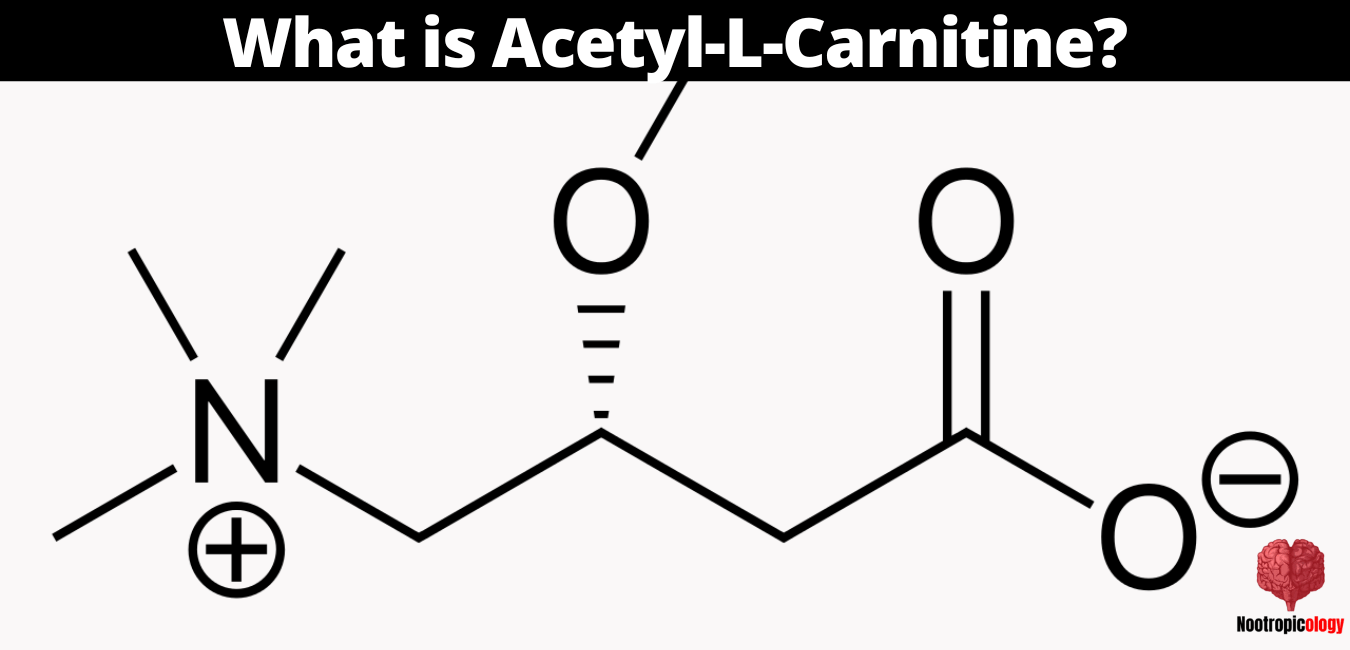
Carnitine, an essential nutrient, is obtained from the diet and synthesized within the body. It is a crucial substrate in various reactions, acting as a carrier for acyl groups. Acetylcarnitine, the most abundant naturally occurring derivative, is synthesized through a reaction involving acetyl-CoA and carnitine. In this reaction, the acetyl group displaces a hydrogen atom in the central hydroxyl group of carnitine, forming acetylcarnitine and CoA.
Coenzyme A (CoA), a vital player in the mitochondria's Krebs cycle, is essential for the production of ATP. Acetyl-CoA, which is primarily derived from glucose metabolism, serves as the primary substrate for the Krebs cycle. Once acetyl-CoA is de-acetylated, it must be recharged with an acetyl group to sustain the Krebs cycle's functionality.[4]
Interestingly, most cell types possess transporters that facilitate the import of carnitine and the export of acyl-carnitines. This mechanism appears to help eliminate longer-chain moieties. However, numerous cell types can also import ALCAR, emphasizing its unique role.
Within cells, carnitine plays a vital role in importing acyl-CoA into the mitochondria. The acyl group of acyl-CoA is transferred to carnitine, forming acyl-carnitine. This acyl-carnitine is then imported through both mitochondrial membranes before being transferred back to CoA.
The CoA molecule is subsequently beta-oxidized to produce acetyl-CoA, which sustains the Krebs cycle's energy-generating processes. Another set of enzymes and transporters functions to maintain a balance by eliminating excess acetyl-CoA from inside the mitochondria.
Carnitine accepts the excess acetyl moiety, becoming ALCAR. ALCAR is then transported out of the mitochondria and into the cytosol, ensuring free CoA is available to import fatty acid chains.
ALCAR in the cytosol can form a pool of acetyl groups for CoA when the cell requires it. This adaptive mechanism enables the cell to utilize carbohydrates for energy production at the expense of fatty acids when there is an excess of acetyl-CoA.
Thus, Acetyl-L-Carnitine plays a crucial role in various biochemical pathways. It facilitates the transport of acyl groups, aids in the proper functioning of the Krebs cycle, and helps regulate the balance between different energy sources.
By modulating acetyl-CoA levels, ALCAR influences the utilization of carbohydrates and fatty acids for energy production. Understanding the intricate mechanisms of Acetyl-L-Carnitine's action provides insights into its potential cognitive and metabolic benefits.
Acetyl-L-Carnitine's Mechanism of Action
Now that we know the basics, we can dive a bit deeper into the science of Acetyl-L-Carnitine's action to see how it works its magic in the brain as a cognitive enhancer and in the body as a metabolic booster.
Acetyl-L-Carnitine (ALCAR) exhibits its multifaceted effects through a complex array of metabolic and neurobiological mechanisms. Research suggests that ALCAR's primary role is to donate an acetyl group during fatty acid metabolism, aiding in the transportation of fatty acids, including acetyl CoA, into the mitochondrial matrix where fatty acid metabolism takes place.[5]
This metabolic function contributes to ALCAR's ability to enhance energy production and optimize mitochondrial function. In addition to its metabolic role, ALCAR has been found to possess neuromodulatory, neurotrophic, and neuroprotective effects. These neurobiological properties are thought to play a significant role in their positive effects on various neurological diseases.
Studies have also indicated that ALCAR has antioxidant properties. Through its interaction with the tyrosine kinase A receptor, ALCAR has been shown to decrease the production of free radicals, peroxidation of lipids, and oxidation of proteins. It can also impact cellular antioxidant systems by decreasing glutathione levels and increasing thioredoxin.[6]
Chemical Structure and Bioavailability of Acetyl-L-Carnitine (ALCAR)
Acetyl-L-Carnitine (ALCAR) is characterized by adding an acetyl group to the nitrogen atom. Its chemical formula is C9H17NO4, and it is categorized as a quaternary ammonium compound. ALCAR's chemical structure, specifically the acetyl moiety, is responsible for its unique biological properties and distinguishes it from its parent compound, L-carnitine.
The bioavailability of Acetyl-L-Carnitine (ALCAR) is estimated to be greater than 10%, implying that more than 10% of the ingested ALCAR is absorbed into the systemic circulation and becomes available at the site of action. This relatively high bioavailability is attributed to its efficient absorption from the gastrointestinal tract through active transport involving the organic cation/carnitine transporter (OCTN2).[7]
Once absorbed into the bloodstream, the acetyl moiety of ALCAR facilitates its ability to cross the blood-brain barrier, which is an essential step for it to exert its effects on the central nervous system. Moreover, ALCAR is not extensively metabolized in the liver, a process that often significantly reduces the bioavailability of many drugs and nootropic supplements.
This bypass of first-pass metabolism, coupled with its ability to cross the blood-brain barrier, contributes to ALCAR's high bioavailability and effectiveness as a nootropic.
Acetyl-L-Carnitine's Role in Acetylcholine (ACh) Synthesis
Acetyl-L-Carnitine (ALC) is crucial in synthesizing Acetylcholine (ACh). According to the study by White and Scates,[8] ALC can act as a precursor for ACh synthesis. The research showed that the synthesis of [3H]acetylcholine from [3H]acetyl-L-carnitine could be achieved in vitro by coupling two critical enzyme systems: choline acetyltransferase and carnitine acetyltransferase.
Furthermore, both [3H] and [14C] labeled acetylcholine were produced when [3H]acetyl-L-carnitine and D-[U-14C] glucose were incubated with synaptosomal membrane preparations from rat brains.
This transfer of the acetyl moiety from acetyl-L-carnitine to acetylcholine was found to be dependent on the concentration of ALC. Also, it required the presence of coenzyme A, which is usually produced as an inhibitory product of choline acetyltransferase.
This study thereby provided further evidence supporting the role of mitochondrial carnitine acetyltransferase in facilitating the transfer of acetyl groups across mitochondrial membranes. This process is critical as it regulates the availability of acetyl-CoA, a substrate of choline acetyltransferase, in the cytoplasm.
The results also indicate the potential therapeutic benefits of ALC in addressing age-related cholinergic deficits, emphasizing its significant role in ACh synthesis.
Neuroprotective and Cognitive Enhancing Benefits of Acetyl-L-Carnitine
Acetyl-L-Carnitine (ALCAR) plays a substantial role in maintaining neuronal health and promoting neurogenesis - the process of creating new neurons within the brain. Firstly, ALCAR is an essential component of fatty acid metabolism, as it transports long-chain fatty acids into the mitochondria for beta-oxidation, thereby facilitating energy production.
This energy is critical for the functioning and survival of neurons.
Secondly, ALCAR possesses antioxidant properties, helping to neutralize harmful free radicals and reduce oxidative stress in neurons. It also enhances the activity of antioxidant enzymes and promotes the synthesis of glutathione, one of the body's most potent antioxidants.
Additionally, ALCAR can modulate levels of neurotrophic factors, proteins that promote the survival and differentiation of neurons. For instance, it has been shown to upregulate the expression of nerve growth factor (NGF), thereby supporting neuronal health and neurogenesis.[9]
That said, here are some key cognitive enhancements associated with Acetyl-L-Carnitine:
Improved Memory: ALCAR has been shown in several studies to enhance memory in terms of recall and retention. It is believed to do this by increasing acetylcholine levels in the brain, a neurotransmitter that is crucial for memory formation and consolidation.[10]
Enhanced Learning: Alongside memory, ALCAR also boosts learning capabilities. This is largely attributed to its role in acetylcholine synthesis and its ability to enhance synaptic transmission, both critical for learning processes.[11]
Better Attention and Concentration: ALCAR has been associated with improved attention span and concentration. Through its role in mitochondrial function, its energizing effect on brain cells contributes to this benefit.
Neuroprotection and Aging: ALCAR provides neuroprotective benefits that help slow the cognitive decline associated with aging and neurodegenerative diseases. It does this through various mechanisms, including its antioxidant properties, role in energy production, and ability to stimulate neurotrophic factors' release.
Mood Enhancement: Some research has indicated that ALCAR can have a positive effect on mood and may be beneficial in conditions like depression and anxiety. This may be due to its influence on neurotransmitter systems, including acetylcholine and dopamine.[12]
Comparative Analysis: Acetyl-L-Carnitine vs Other Nootropics
Acetyl-L-Carnitine (ALCAR), Alpha-GPC, and CDP-Choline are all well-known nootropics and precursors to acetylcholine, a neurotransmitter vital for cognitive functions. While they share similarities, their distinct characteristics and functions set them apart.
Alpha-GPC is a choline-containing supplement that is rapidly absorbed and crosses the blood-brain barrier. Once in the brain, it supports the synthesis of acetylcholine and the release of the neurotransmitter dopamine, which may improve memory, thinking skills, and learning. However, it's worth noting that Alpha-GPC's primary function is providing choline to the brain and doesn't offer much beyond its acetylcholine-boosting properties.
CDP-Choline (Citicoline), on the other hand, has a broader range of benefits. Besides providing choline for acetylcholine synthesis, it also contributes to the synthesis of phosphatidylcholine, a critical component of neuronal cell membranes. This dual action supports both brain energy metabolism and cellular maintenance. Furthermore, CDP-Choline has been studied for its potential to help with cognitive impairment and neurodegenerative diseases.
ALCAR stands out due to its additional neuroprotective and metabolic roles. As an acetylcholine precursor, it supports cognitive functions similar to Alpha-GPC and CDP-Choline. However, it also exhibits antioxidant properties, which can protect neurons from damage caused by harmful free radicals. In addition, ALCAR plays a crucial role in cellular energy metabolism by facilitating the transport of fatty acids into the mitochondria for energy production. This attribute makes ALCAR particularly beneficial in conditions with an energy deficit or age-related cognitive decline.
Therefore, while all three compounds are effective acetylcholine precursors, ALCAR might offer more comprehensive benefits, particularly for neuroprotection and energy metabolism.
Comparative Efficacy with Other Nootropics: Modafinil, Piracetam, and Aniracetam
Acetyl-L-Carnitine (ALCAR) shares a common goal with Modafinil, Piracetam, and Aniracetam - that is, to enhance cognition - it does so through distinct pathways, offering unique benefits:
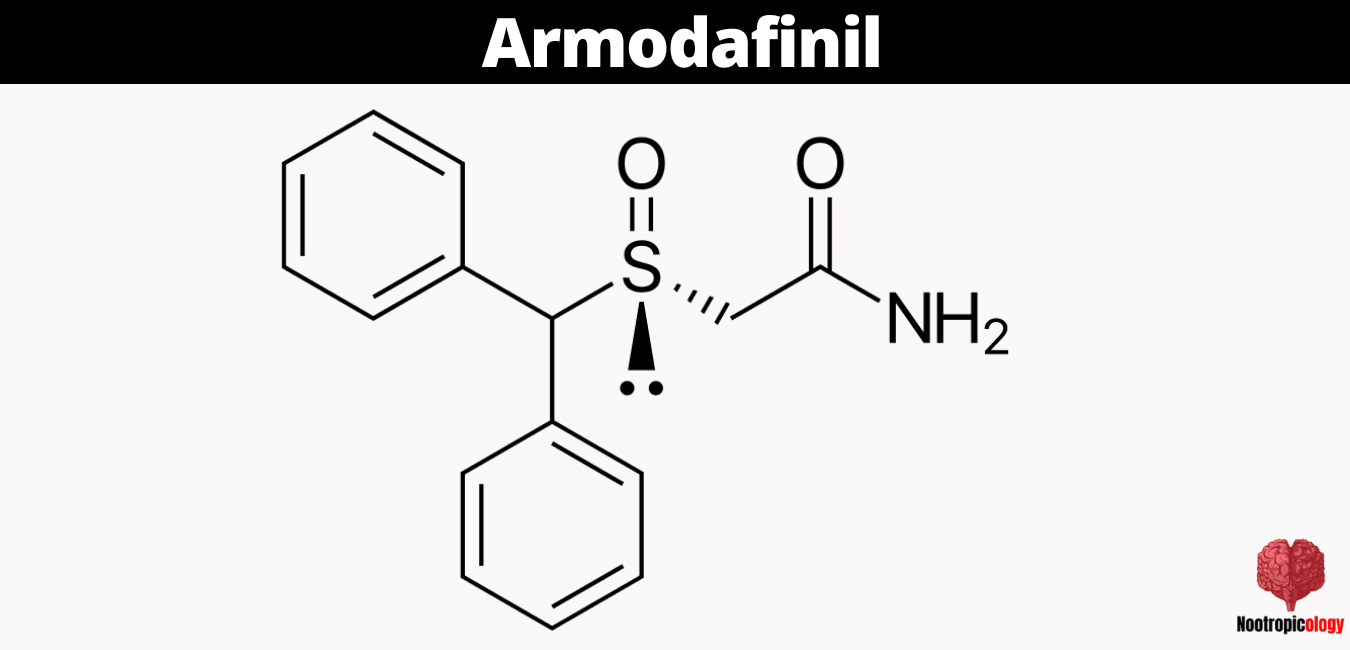
Modafinil is a wakefulness-promoting agent and is often used off-label for cognitive enhancement. It works by increasing the availability of certain neurotransmitters like dopamine, norepinephrine, and histamine, thereby improving alertness, attention, and vigilance. Modafinil doesn't directly boost acetylcholine like ALCAR but can enhance cognitive performance, particularly in sleep-deprived individuals or those with narcolepsy. It's also worth noting that Modafinil may come with potential side effects, such as headache, anxiety, and sleep disturbances.
Piracetam is considered the first racetam and is known for its cognitive-enhancing properties. It operates mainly by modulating the function of glutamate receptors, enhancing neuronal membrane fluidity, and promoting cerebral circulation. While Piracetam doesn't directly increase acetylcholine levels like ALCAR, it enhances the brain's utilization of this neurotransmitter, which can lead to improved memory and cognition. Piracetam is generally well-tolerated, but it's often recommended to be taken with a choline source to avoid potential headaches.
Aniracetam is another racetam family member known for its anxiolytic effects alongside cognitive enhancement. It has a mechanism of action similar to Piracetam but is also thought to modulate the release of dopamine and serotonin. Aniracetam doesn't act directly as an acetylcholine precursor like ALCAR, but it can enhance this neurotransmitter's release and receptor efficiency. Aniracetam is fat-soluble, unlike the other two racetams, and therefore needs to be taken with meals for optimal absorption.
As I mentioned before, ALCAR, in comparison, functions as an acetylcholine precursor, supports energy metabolism and exhibits neuroprotective properties.
Its unique mechanism of action helps protect the brain from oxidative stress and supports neuronal energy production, making it beneficial for age-related cognitive decline and neurodegenerative conditions.
Synergistic Potential with Other Nootropics: Stacking Considerations
Nootropic stacking, the practice of combining multiple cognitive-enhancing substances, can offer a way to maximize cognitive benefits and target specific cognitive domains.
Regarding ALCAR, its unique mechanism of action and safety profile makes it a viable candidate for stacking with other nootropics. However, it's crucial to consider the synergistic potential and interaction risks when designing a nootropic stack.
ALCAR and Choline Sources (Alpha-GPC, CDP-Choline)
Given ALCAR's role as an acetylcholine precursor, it can potentially work well with other cholinergic nootropics like Alpha-GPC or CDP-Choline. While ALCAR provides the acetyl group, Alpha-GPC and CDP-Choline supply choline to synthesize acetylcholine, thereby enhancing cognitive function.
The combined use might help to maximize acetylcholine levels and related cognitive benefits.
ALCAR and Racetams (Piracetam, Aniracetam)
Racetams are known to enhance the utilization of acetylcholine in the brain. Stacking ALCAR with racetams can be a strategic move as ALCAR could ensure a consistent supply of acetylcholine. In contrast, racetams can improve the efficiency of these neurotransmitters, potentially resulting in enhanced cognition.
ALCAR and Modafinil
Modafinil is known for promoting alertness and vigilance. Combining it with ALCAR could potentially result in more comprehensive cognitive enhancement. ALCAR could complement Modafinil's effects by supporting brain energy metabolism and neuronal health.
Despite these potential synergies, it's important to remember that everyone's neurochemistry is unique, and the effects of nootropics can vary greatly among individuals.
Therefore, it's crucial to start with low doses when trying a new stack and gradually increase as necessary. It's always best to consult a healthcare provider before starting any new supplementation regimen, especially when combining multiple substances.
It's also essential to monitor oneself for any adverse effects and discontinue use if they occur.
Safety, Tolerability, Side Effects, and Dosage Guidelines for ALCAR
Acetyl-L-Carnitine (ALCAR) is generally considered safe and well-tolerated in healthy adults. However, like all supplements, it should be used responsibly to ensure safety and efficacy.
Safety, Adverse Effects, and Tolerability: ALCAR has been used in numerous clinical trials, and its safety profile is well-established. Most users do not report any adverse effects. However, in some cases, individuals have reported minor side effects such as nausea, stomach discomfort, diarrhea, or restlessness.
These side effects are often dose-dependent and may decrease over time as the body adjusts to the supplement. Rarely, some people may have an allergic reaction to ALCAR, which may cause symptoms such as rashes, itching, or swelling. If such symptoms occur, it's crucial to discontinue use and consult a healthcare professional.
Dosage Guidelines: The appropriate dosage of ALCAR can vary based on factors such as age, overall health, and specific health goals. As a dietary supplement for cognitive support, the recommended dosage ranges from 500 to 2000 mg daily, usually divided into two or three doses. Some research studies have used higher doses for specific conditions, but high doses should only be taken under the supervision of a healthcare provider.
For optimal absorption, ALCAR can be taken with or without food. If gastrointestinal upset occurs, taking the supplement with a meal may help alleviate symptoms.
It's important to start with the lower end of the dosage range when first beginning supplementation with ALCAR and then gradually increase the dose as tolerated. This allows the body to adjust to the supplement and helps identify a dosage that provides the desired benefits without causing adverse effects.
Interactions: ALCAR may interact with certain medications, including anticoagulants and antiplatelet drugs. If you're taking any medications or have a medical condition, it's essential to consult a healthcare provider before starting ALCAR.
While ALCAR is a naturally occurring substance in the body and is generally considered safe, it's crucial to remember that more isn't always better.
Frequently Asked Questions (FAQ)
Where Can I Buy ALCAR Online?
ALCAR is available in many health food stores, online retailers, and through nootropic suppliers. It's important to purchase the supplement from a reputable source to ensure its quality and potency. I recommend purchasing Acetyl L-Carnitine HCl (ALCAR) here.
What Is the Half-Life of Acetyl-L-Carnitine?
The half-life of Acetyl-L-Carnitine (ALC) is approximately 35.9 hours. This means it takes about 35.9 hours for the concentration of Acetyl-L-Carnitine in the body to decrease by half.
How Does ALCAR Compare to L-Carnitine?
ALCAR is more bioavailable and can cross the blood-brain barrier, while L-carnitine cannot. This makes ALCAR a better choice for improving mental performance, while L-carnitine is better suited for improving athletic performance and fat burning.
How Does ALCAR Make You Feel?
ALCAR improves overall cognitive function, including focus and attention. Users report feeling more alert and motivated, with improved mental clarity. ALCAR also improves mood and increases energy levels.
Does Acetyl-L-Carnitine Keep You Up at Night?
Acetyl-L-Carnitine (ALCAR) is not typically associated with sleep disturbances and it's not a stimulant like caffeine. However, individual responses can vary. A few people may experience increased alertness or energy levels after taking ALCAR, which could interfere with sleep if taken late in the day. If you find that ALCAR affects your sleep, consider taking it earlier in the day.
Do I Need to Cycle Acetyl-L-Carnitine?
There is no standard recommendation for cycling Acetyl-L-Carnitine (ALCAR). It is generally considered safe for long-term use at recommended dosages. If you are concerned about tolerance buildup, you could cycle ALCAR like any other nootropic supplement.
How Fast Does Acetyl-L-Carnitine Work?
The effects of Acetyl-L-Carnitine (ALCAR) are generally noticeable within 1 to 3 hours after ingestion due to its rapid absorption and metabolism. However, consistent use over several weeks (typically 2-4 weeks) may be required for long-term cognitive enhancement or neuroprotective effects before substantial improvements are observed.
Conclusion
Acetyl-L-Carnitine (ALCAR) is an impressive nootropic due to its unique role as an acetylcholine precursor, energy metabolism support, and neuroprotective attributes.
Research suggests that ALCAR has a direct role in synthesizing acetylcholine, a crucial neurotransmitter for cognitive functions. Additionally, ALCAR exhibits antioxidant properties, providing a layer of neuroprotection against oxidative stress.
Its role in transporting fatty acids into the mitochondria for energy production also contributes to neuronal health and functioning. These attributes set ALCAR apart from other nootropics and acetylcholine precursors like Alpha-GPC and CDP-Choline.
When compared to other cognitive enhancers such as Modafinil, Piracetam, and Aniracetam, ALCAR's additional benefits in energy metabolism and neuroprotection make it a standout candidate.
Its diverse benefits make it a versatile tool for cognitive enhancement and neuroprotection. It serves as a potent cognitive enhancer and crucial support to brain health and energy production. This makes it particularly beneficial for those dealing with age-related cognitive decline or neurodegenerative conditions.
Furthermore, ALCAR's synergistic potential, when combined with other nootropics, opens up opportunities for tailored cognitive enhancement strategies, making it an ideal component of nootropic stacks.
In summary, ALCAR's role in cognitive enhancement and neuroprotection is well-founded and diverse, making it an appealing choice for those seeking to support brain health and cognitive function.
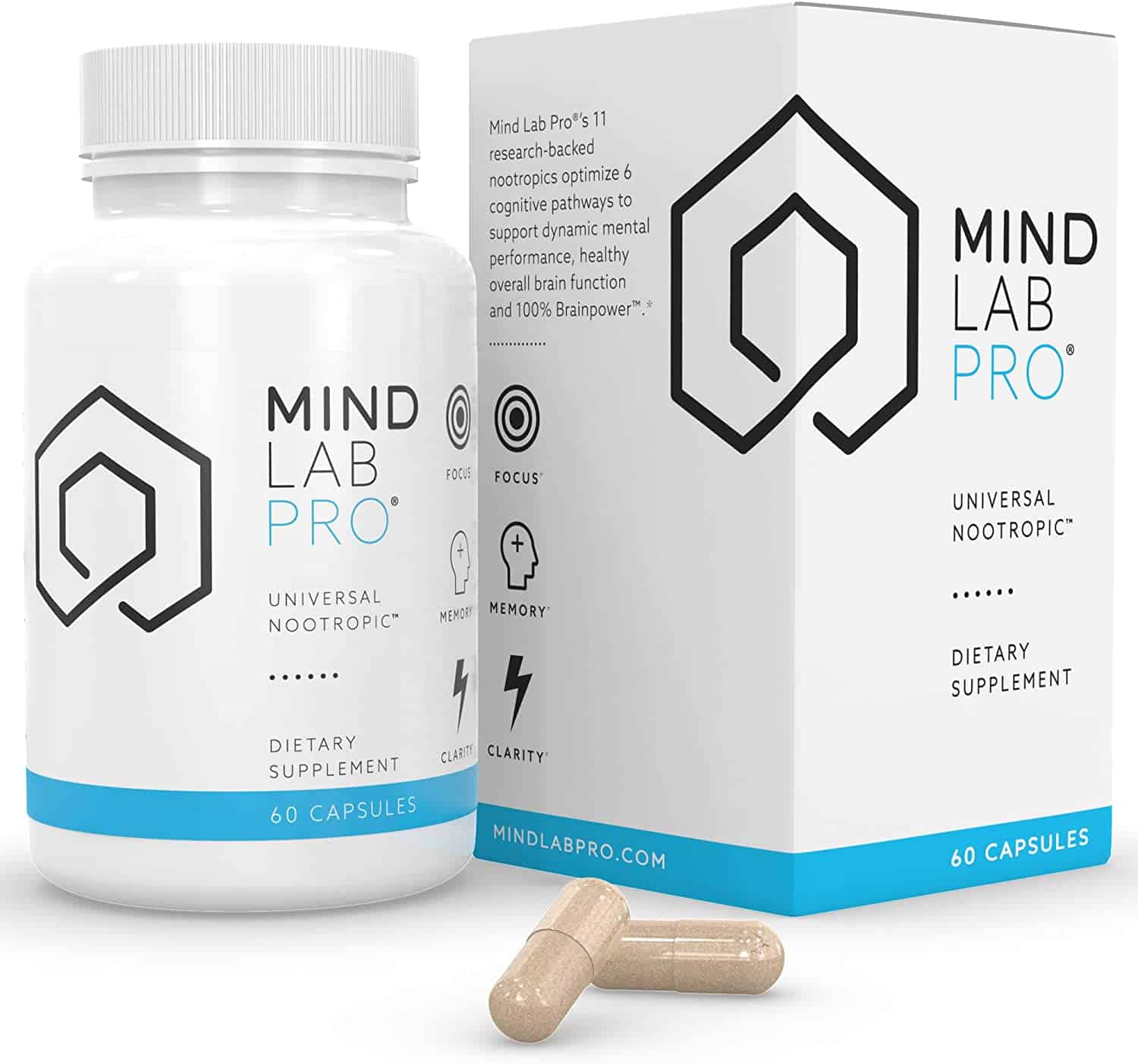
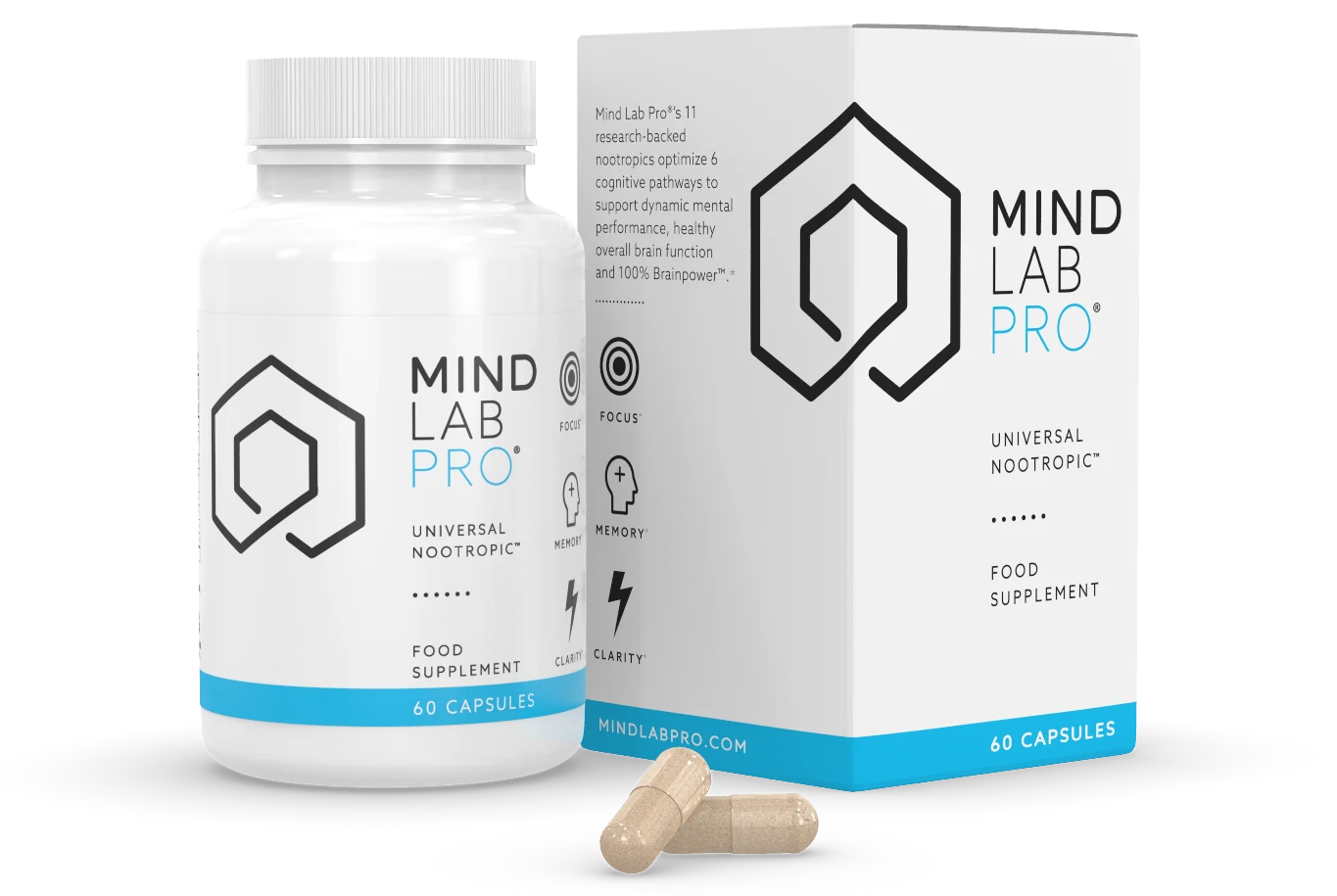
Mind Lab Pro is a comprehensive nootropic supplement designed to optimize cognitive function and brain health. Developed by Opti-Nutra Ltd in 2015, this stimulant-free formula contains 11 research-backed ingredients that work synergistically to enhance memory, focus, mental clarity, boost neurotransmitters and overall brainpower.
The key ingredients in Mind Lab Pro include Citicoline (250 mg), Phosphatidylserine (100 mg), Bacopa Monnieri (150 mg), Lion's Mane Mushroom (500 mg), Maritime Pine Bark Extract (75 mg), L-Theanine (100 mg), Rhodiola Rosea (50 mg), and N-Acetyl-L-Tyrosine (175 mg). These nootropics target four primary brain pathways: brain energy, brain chemicals, brain circulation, and brain regeneration.
A double-blind, placebo-controlled study conducted by the University of Leeds found that Mind Lab Pro significantly improved memory, information processing, and recall compared to placebo after 30 days of supplementation. With over 1 million bottles sold and thousands of positive customer reviews, Mind Lab Pro has established itself as a leading nootropic supplement for cognitive enhancement.
What Is Mind Lab Pro and How Does It Claim to Enhance Cognitive Function?
Mind Lab Pro is a universal nootropic supplement designed to optimize brain health and cognitive performance. It claims to boost focus, memory, mental clarity, and overall brainpower by providing a synergistic blend of 11 evidence-based nootropic ingredients. The formula aims to enhance brain energy, increase cerebral blood flow, support brain waves, and promote neuroprotection.
What Are the Core Ingredients in Mind Lab Pro and What Roles Do They Play?
The 11 key ingredients in Mind Lab Pro are:
Citicoline - 250 mg
Phosphatidylserine (PS) (as Sharp-PS® Green from sunflower lecithin) - 100 mg
Bacopa Monnieri (24% bacosides with 9 bioactives) - 150 mg
Organic Lion's Mane Mushroom (full spectrum) - 500 mg
Maritime Pine Bark Extract (95% proanthocyanidins) - 75 mg
Each nootropic ingredient plays a specific role, such as improving brain circulation, increasing neurotransmitter production, reducing inflammation and oxidative stress, and supporting brain cell regeneration.
How Do These Ingredients Affect Brain Health and Cognitive Abilities?
The synergistic combination of nootropics in Mind Lab Pro works through multiple pathways to optimize brain function. For example, Citicoline enhances brain energy and increases dopamine and acetylcholine levels,[1] while Bacopa Monnieri improves memory and reduces anxiety.[2] Lion's Mane Mushroom stimulates NGF production to promote neurogenesis,[3] and Maritime Pine Bark Extract provides antioxidant protection against brain fog.[4] Together, these ingredients support mental performance, mood, stress resistance, and long-term brain health.
Who Manufactures Mind Lab Pro and Can Their Reputation Be Trusted?
Mind Lab Pro is manufactured by Opti-Nutra Ltd., a UK-based company specializing in high-quality dietary supplements. The company has a strong reputation for using premium, research-backed ingredients and adhering to strict quality control standards. Mind Lab Pro is produced in FDA-registered, GMP-certified facilities and undergoes third-party testing for purity and potency. Additionally, the formula has been studied in a double-blind, placebo-controlled trial conducted by the University of Leeds, demonstrating its efficacy. With over 1 million bottles sold and thousands of positive customer reviews, Opti-Nutra and Mind Lab Pro have established themselves as trustworthy names in the nootropics industry.
What Is the Company's Background and Its Impact on Mind Lab Pro's Credibility?
Opti-Nutra Ltd., a UK-based company founded in 2015, manufactures Mind Lab Pro. The company specializes in high-quality dietary supplements and has a strong reputation for using premium, research-backed ingredients and adhering to strict quality control standards. Mind Lab Pro is produced in FDA-registered, GMP-certified facilities and undergoes third-party testing for purity and potency.
Are There Clinical Studies or Research Validating Mind Lab Pro's Claims?
A double-blind, placebo-controlled human clinical trial conducted by researchers at the University of Leeds studied the efficacy of Mind Lab Pro. The study found that Mind Lab Pro significantly improved memory, information processing, and recall compared to placebo after 30 days of supplementation in healthy adults. However, the study has not yet been published in a peer-reviewed scientific journal.[5]
What Are the Proclaimed Benefits of Using Mind Lab Pro?
Mind Lab Pro claims to enhance cognitive function, improve memory, boost focus and concentration, and increase mental clarity and overall brainpower. This brain supplement aims to optimize brain health by providing a synergistic blend of 11 evidence-based nootropic ingredients that work through multiple pathways without the use of caffeine. Mind Lab Pro is designed to support mental performance, mood, stress resistance, and long-term brain health.
How Effective Is Mind Lab Pro in Enhancing Memory, Focus, and Overall Cognitive Abilities?
The clinical study conducted by the University of Leeds suggests that Mind Lab Pro can effectively improve memory, information processing, and recall in healthy adults. The synergistic combination of nootropics in Mind Lab Pro, such as Citicoline, Bacopa Monnieri, Lion's Mane Mushroom, and Maritime Pine Bark Extract, work together to enhance brain function through various mechanisms. However, more research is needed to fully validate the long-term effects and efficacy of Mind Lab Pro on cognitive performance.
What Are the Potential Side Effects or Risks Associated with Mind Lab Pro?
Mind Lab Pro is generally well-tolerated, and most users do not experience significant adverse effects. However, as with any dietary supplement, some individuals may be sensitive to certain ingredients or experience mild side effects. It is essential to follow the recommended dosage and consult with a healthcare professional before starting any new supplement regimen, especially if you have pre-existing medical conditions or are taking medications.
What Are the Known Side Effects of Mind Lab Pro's Ingredients?
The ingredients in Mind Lab Pro are generally considered safe when used at the appropriate dosages. However, some potential side effects and symptoms may include:
Citicoline: Rarely, mild digestive discomfort, headaches, or insomnia.
Bacopa Monnieri: Occasionally, mild digestive issues, dry mouth, or fatigue.
Lion's Mane Mushroom: In rare cases, mild digestive discomfort.
Rhodiola Rosea: Uncommonly, mild dizziness, dry mouth, or insomnia.
Most of these side effects are transient and resolve on their own. If persistent or severe side effects occur, discontinue use and consult a healthcare professional.
Does Mind Lab Pro Interact with Other Medications or Supplements?
Mind Lab Pro is designed to be safe and compatible with most other supplements and medications. However, some ingredients may interact with specific drugs or health conditions:
Rhodiola Rosea may interact with antidepressants, anxiolytics, or sedatives.
Bacopa Monnieri may interact with thyroid medications or acetylcholinesterase inhibitors.
L-Theanine may enhance the effects of blood pressure medications.
If you are taking any medications or have a pre-existing health condition, consult your healthcare provider before using Mind Lab Pro to ensure safety and avoid potential interactions.
My Personal Experience and Evaluation of Mind Lab Pro
I have been using Mind Lab Pro for several months and have noticed significant improvements in my cognitive function, particularly in terms of focus, mental clarity, and memory. I find that I can concentrate for longer periods and retain information more effectively. The supplement has also helped me maintain a positive mood and cope better with stress.
I appreciate that Mind Lab Pro uses high-quality, research-backed ingredients and is transparent about its formula. The company's commitment to quality control and third-party testing gives me confidence in the product's safety and efficacy. While individual results may vary, I believe Mind Lab Pro is a well-formulated nootropic supplement that can benefit those seeking to optimize their brain health and cognitive performance.
What Were My Initial Impressions and Expectations of Mind Lab Pro?
When I first discovered Mind Lab Pro, I was impressed by the comprehensive formula and the company's commitment to quality and transparency. I had high expectations for the product based on the positive reviews and the clinical study conducted by the University of Leeds. I was hopeful that Mind Lab Pro would help me improve my focus, memory, and overall cognitive performance.
How Did I Incorporate Mind Lab Pro into My Daily Routine and Lifestyle?
I incorporated Mind Lab Pro into my daily routine by taking the recommended dosage of two capsules in the morning with breakfast. I found it easy to remember to take the supplement consistently, and it quickly became a habitual part of my morning ritual. I maintained a healthy lifestyle, including regular exercise, a balanced diet, and sufficient sleep, to support the effects of Mind Lab Pro.
What Immediate and Long-Term Effects Did I Observe?
Within the first few weeks of using Mind Lab Pro, I noticed improvements in my mental clarity, focus, and ability to concentrate for extended periods. Over the course of three months, I experienced enhanced memory retention and recall, as well as better mental endurance during cognitively demanding tasks. I also felt more resilient to stress and maintained a more positive mood overall.
Did I Experience Any Side Effects or Adverse Reactions?
Throughout my three months of using Mind Lab Pro, I did not experience any significant side effects or adverse reactions. Occasionally, I noticed mild digestive discomfort, but this was rare and transient. I did not encounter any interactions with other supplements or medications I was taking. However, individual experiences may vary, and it is essential to monitor your own response to the supplement.
How Does My Experience Align with Mind Lab Pro's Claims and User Testimonials?
My personal experience with Mind Lab Pro closely aligns with the product's advertised claims and the testimonials shared by other users on their official website. The improvements I noticed in focus, memory, mental clarity, and overall cognitive performance are consistent with the benefits reported by many satisfied customers. The clinical study results and the experiences of other users corroborate my positive experience with Mind Lab Pro.
How Do Real Users Rate Mind Lab Pro's Impact on Cognitive Performance?
Real users generally rate Mind Lab Pro's impact on cognitive performance highly, with many reporting significant improvements in various aspects of brain function. Numerous customer testimonials on their website praise the supplement's effectiveness in enhancing focus, memory, mental clarity, and overall brainpower. While individual results may vary, the overwhelming majority of user experiences suggest that Mind Lab Pro delivers on its promises.
What Common Experiences Are Shared in Customer Testimonials?
According to their website, customer testimonials frequently mention several common experiences with Mind Lab Pro, including:
Enhanced focus and concentration
Improved memory retention and recall
Increased mental clarity and alertness
Boosted mental energy and endurance
Reduced brain fog and mental fatigue
Better stress management and mood regulation
Many users also appreciate the supplement's safety, lack of side effects, and compatibility with other lifestyle factors.
How Consistent Are User Experiences with Mind Lab Pro's Advertised Claims?
User experiences with Mind Lab Pro are generally highly consistent with the product's advertised claims. The majority of customer testimonials align with the benefits stated by the manufacturer, such as improved cognitive function, memory, focus, and overall brain health. While some users may experience more pronounced effects than others, the consistency between real user experiences and Mind Lab Pro's claims suggests that the supplement is effective for a wide range of individuals seeking to optimize their cognitive performance.
What Is the Recommended Usage of Mind Lab Pro for Optimal Cognitive Benefits?
The recommended dosage for Mind Lab Pro is 2 capsules per day, preferably taken in the morning or early afternoon. For best results, Mind Lab Pro should be taken daily for several weeks, as some ingredients like Bacopa monnieri are more effective with continuous use over 8-12 weeks. The maximum recommended dose is 4 capsules per day, spread throughout the day.
What Dosage, Frequency, and Timing Are Recommended?
The standard dosage is 2 capsules per day, but you can take up to 4 capsules (2 doses of 2 capsules) daily for maximum effect. It's best to take Mind Lab Pro in the morning or early afternoon to support cognitive performance throughout the day. After 4-6 months of continuous use, you may want to take a 1-2 week break to maintain the supplement's effectiveness.
Are There Any Best Practices or Guidelines for Enhancing Its Effects?
To get the most out of Mind Lab Pro, it's important to adopt a healthy lifestyle that includes:
Getting 6-8 hours of quality sleep per night
Exercising regularly to improve circulation and mood
Staying hydrated by drinking at least 2 liters of water daily
Eating a balanced diet to provide essential nutrients
These practices, combined with consistent Mind Lab Pro supplementation, can help optimize the nootropic benefits for cognitive performance.
What Does Scientific Research Say About Mind Lab Pro's Ingredients and Efficacy?
Multiple clinical studies support the efficacy of Mind Lab Pro's key ingredients for improving cognitive function:
Citicoline has been shown to boost brain energy by 13.6% and brain cell membrane formation by 26%
Lion's Mane Mushroom, Tyrosine, and Phosphatidylserine have demonstrated benefits for memory and attention in various populations[6]
A double-blind, placebo-controlled study conducted by the University of Leeds found that Mind Lab Pro significantly improved memory, information processing, and recall compared to placebo after 30 days of supplementation.[7]These results, along with the research backing the individual ingredients, provide strong evidence for Mind Lab Pro's efficacy as a nootropic supplement.
Is There a Consensus in the Scientific Community on Mind Lab Pro's Effectiveness?
While the initial clinical study conducted by the University of Leeds shows promising results for Mind Lab Pro's effectiveness, more research is needed to establish a strong consensus in the scientific community. The study's findings have been submitted for publication in peer-reviewed journals, which will help validate the results and encourage further research on the product's efficacy. As more studies are conducted and published, a clearer consensus on Mind Lab Pro's effectiveness will likely emerge.
How Does Mind Lab Pro Compare to Other Nootropics in the Market?
Mind Lab Pro distinguishes itself from many other nootropic supplements by offering a comprehensive, multi-ingredient formula that targets various aspects of cognitive function. While some competitors may focus on one or two key ingredients, Mind Lab Pro's synergistic blend of 11 research-backed nootropics sets it apart. The product's commitment to quality, transparency, and clinical testing also differentiates it from less reputable nootropic supplements.
What Unique Features or Ingredients Distinguish Mind Lab Pro?
Several unique features and ingredients distinguish Mind Lab Pro from other nootropics:
The inclusion of Lion's Mane Mushroom, a natural nootropic that supports nerve growth factor (NGF) production and brain cell regeneration.
The use of Suntheanine®, a patented form of L-Theanine that promotes relaxation without drowsiness.
The incorporation of NutriGenesis® vitamins, a nature-identical form of vitamins B6, B9, and B12 that are more bioavailable than synthetic alternatives.
The commitment to eco-friendly, vegan-friendly, and allergen-free ingredients and packaging.
These distinctive elements contribute to Mind Lab Pro's comprehensive approach to cognitive enhancement.
Are There Competing Products That Offer Better Results or Value?
While there are numerous nootropic supplements on the market, few offer the same comprehensive formula, research-backed ingredients, and commitment to quality as Mind Lab Pro. Some competitors may focus on specific aspects of cognitive function or use lower-quality ingredients, which can limit their overall effectiveness. Additionally, Mind Lab Pro's transparent pricing and 60-day money-back guarantee provide value and peace of mind for customers. Ultimately, individual results may vary, but Mind Lab Pro's unique blend of ingredients and positive user experiences suggest that it is a strong contender in the nootropics market.
What Are the Limitations or Criticisms of Mind Lab Pro?
While Mind Lab Pro has many positive attributes, there are some limitations and potential criticisms to consider:
Limited long-term studies: While the initial clinical study is promising, more long-term research is needed to fully understand the effects of Mind Lab Pro over extended periods.
Individual variability: As with any supplement, individual responses to Mind Lab Pro may vary, and some users may not experience the same level of benefits as others.
Potential for misuse: The cognitive-enhancing effects of Mind Lab Pro could potentially be misused by individuals seeking an unfair advantage in competitive settings, such as academics or professional environments.
Are There Any Drug Interactions or Contraindications?
Mind Lab Pro is generally safe and well-tolerated, but there are some potential drug interactions and contraindications to be aware of:
Bacopa monnieri may interact with certain medications, such as calcium channel blockers and thyroid hormone medications.
Rhodiola rosea may interact with antidepressants and anti-anxiety medications.
Individuals with pre-existing medical conditions, such as diabetes, autoimmune disorders, or bleeding disorders, should consult their healthcare provider before taking Mind Lab Pro.
Pregnant or nursing women and individuals under the age of 18 should also avoid using Mind Lab Pro without medical supervision.
What Ethical Considerations Surround the Use of Mind Lab Pro?
The use of cognitive-enhancing supplements like Mind Lab Pro raises some ethical questions:
Fairness and equality: The use of nootropics could potentially create an uneven playing field in competitive settings, such as academics or the workplace.
Authenticity and personal identity: Some may argue that relying on cognitive enhancers undermines the authenticity of one's achievements and personal growth.
Accessibility and social justice: The cost of high-quality nootropics like Mind Lab Pro may limit accessibility for some individuals, potentially exacerbating social inequalities.
It is important for individuals to consider these ethical implications when deciding whether to use cognitive-enhancing supplements like Mind Lab Pro.
How Does Mind Lab Pro's Pricing Compare to Similar Products?
Mind Lab Pro offers three purchasing options:
1 Month Supply: $69.00 ($2.30/standard serving)
2 Month Supply: $138.00 ($2.30/standard serving)
4 Month Supply: $207.00 ($1.73/standard serving)
Compared to other high-quality nootropic supplements on the market, Mind Lab Pro's pricing is competitive. Many similar products range from $50 to $100 per month, with some offering discounts for larger quantities. Mind Lab Pro's "Buy 3 Get 1 Free" promotion for the 4-month supply provides a 25% saving, making it an attractive option for those looking to commit to long-term use.
Additionally, the fast and free shipping offered by Mind Lab Pro adds value for customers. Overall, while not the cheapest nootropic supplement available, Mind Lab Pro's pricing appears to be reasonable considering its comprehensive formula, research-backed ingredients, and commitment to quality.
Does Mind Lab Pro Offer Financial Incentives Like Discounts or a Money-Back Guarantee?
Yes, Mind Lab Pro offers several financial incentives to support customers:
Discounted pricing for larger quantities: The 4-month supply option provides a 25% discount compared to purchasing single bottles, reducing the cost per standard serving to $1.73.
Money-back guarantee: Mind Lab Pro offers a 60-day money-back guarantee, allowing customers to try the product risk-free and request a full refund if they are not satisfied with the results.
Free shipping: All orders of Mind Lab Pro include fast and free shipping, providing additional savings for customers.
These financial incentives demonstrate the company's confidence in its product and commitment to customer satisfaction.
What Are Common Consumer Concerns and Questions About Mind Lab Pro?
Some common consumer concerns and questions about Mind Lab Pro include:
Effectiveness: Many consumers want to know how well Mind Lab Pro works and how quickly they can expect to see results.
Safety: Consumers often inquire about the safety of the ingredients, potential side effects, and any contraindications with medications or health conditions.
Dosage and timing: Questions about the optimal dosage, frequency, and timing of supplementation are common.
Long-term effects: Some consumers are interested in the long-term benefits and potential risks of using Mind Lab Pro over extended periods.
Comparisons to other nootropics: Consumers often ask how Mind Lab Pro compares to other cognitive-enhancing supplements on the market.
Addressing these concerns and providing clear, evidence-based information can help consumers make informed decisions about using Mind Lab Pro.
What Are the Guidelines for Combining Mind Lab Pro with Other Supplements?
When combining Mind Lab Pro with other supplements, it is important to:
Consult with a healthcare professional to ensure safety and avoid potential interactions, especially if you have pre-existing health conditions or are taking medications.
Be aware of overlapping ingredients: Some supplements may contain similar ingredients to Mind Lab Pro, and combining them could lead to excessive intake of certain compounds.
Start with the recommended dosage of Mind Lab Pro and assess your individual response before adding other supplements to your regimen.
Monitor your body's response and adjust your supplement regimen as needed to optimize benefits and minimize any adverse effects.
Remember that while Mind Lab Pro is designed to be a comprehensive nootropic supplement, individual needs may vary, and it is essential to tailor your supplement regimen to your unique requirements.
Who Should Avoid Using Mind Lab Pro and Why?
Certain individuals should avoid using Mind Lab Pro or consult with a healthcare professional before starting supplementation:
Pregnant or nursing women: The safety of Mind Lab Pro's ingredients during pregnancy and lactation has not been thoroughly studied, and it is best to avoid use during these periods.
Individuals under 18 years of age: The effects of nootropic supplements on developing brains are not well understood, and it is advisable for minors to avoid use without medical supervision.
People with pre-existing medical conditions: Those with conditions such as diabetes, autoimmune disorders, or bleeding disorders should consult their healthcare provider before using Mind Lab Pro to ensure safety and avoid potential complications.
Individuals taking certain medications: Some ingredients in Mind Lab Pro may interact with medications such as antidepressants, anti-anxiety drugs, or thyroid hormone medications. Consulting a healthcare professional can help identify potential interactions and guide safe use.
It is always best to err on the side of caution and seek professional advice before starting any new supplement regimen, especially if you have concerns about your health or potential interactions with existing medications or conditions.
Where Can Mind Lab Pro Be Purchased?
Mind Lab Pro is primarily available for purchase through the official website, www.mindlabpro.com. Buying directly from the manufacturer ensures that customers receive authentic, high-quality products and have access to customer support and financial incentives like discounts and money-back guarantees.
What Are the Official Channels for Buying Mind Lab Pro?
The official website, is the primary channel for purchasing Mind Lab Pro. The website offers a secure ordering process, fast and free shipping, and a 60-day money-back guarantee. Customers can choose from three package options: a 1-month supply, a 2-month supply, or a 4-month supply with a 25% discount.
Are There Authorized Retailers or Online Platforms for Mind Lab Pro?
Currently, Mind Lab Pro is not available through other authorized retailers or online platforms. The company maintains strict control over its distribution to ensure product quality and customer satisfaction. Purchasing Mind Lab Pro from unauthorized sellers may result in receiving counterfeit or expired products, which could be ineffective or potentially harmful.
What Should Buyers Be Aware of When Purchasing Mind Lab Pro to Ensure Authenticity?
To ensure the authenticity of Mind Lab Pro, buyers should:
Only purchase from the official website.
Be cautious of unauthorized sellers or online marketplaces offering Mind Lab Pro at significantly lower prices, as these may be counterfeit products.
Check for the company's official branding, logos, and packaging when receiving the product.
Verify the batch number and expiration date on the packaging to ensure the product is genuine and not expired.
Contact the company's customer support if there are any concerns about the authenticity of the product received.
By following these guidelines, buyers can have confidence in the authenticity and quality of the Mind Lab Pro they purchase.
Based on the Review, Is Mind Lab Pro Recommended for Cognitive Enhancement?
Based on the comprehensive review of Mind Lab Pro, considering its ingredients, clinical studies, my own experience, user experiences, and comparison to other nootropic supplements, Mind Lab Pro is highly recommended for individuals seeking cognitive enhancement. The product's unique blend of research-backed ingredients, commitment to quality and transparency, and positive user testimonials make it a strong choice in the nootropics market.
While Mind Lab Pro can be a powerful tool for cognitive enhancement, it should be used in conjunction with a healthy lifestyle, including regular exercise, a balanced diet, and adequate sleep, for optimal results.
In conclusion, for those looking to boost their cognitive performance, improve memory, focus, and mental clarity, and support long-term brain health, Mind Lab Pro is a highly recommended option worth considering. Its comprehensive formula, clinical research, and positive user experiences set it apart from many other nootropic supplements on the market. I highly recommend Mind Lab Pro.