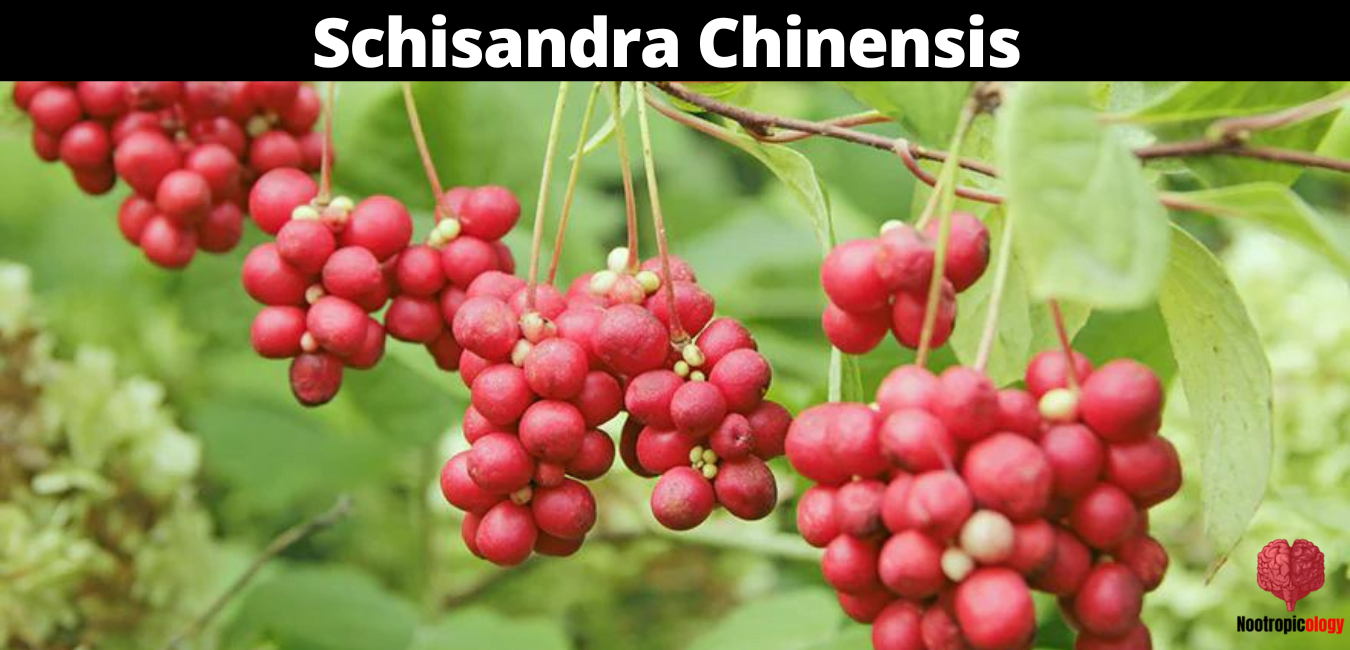
Schisandra Chinensis, known as the "five-flavor fruit," and "Magnolia Vine" is a berry native to Asia, traditionally used in Chinese medicine. Recently, Schisandra Chinensis has gained attention for its potential nootropic effects, including cognitive enhancement, memory improvement, and mental clarity. Exploring the benefits and risks of Schisandra Chinensis as a nootropic is essential for understanding its impact on cognitive health.
What Is Schisandra Chinensis and Its Chemical Composition?
Schisandra Chinensis is a medicinal plant used for its adaptogenic and cognitive-enhancing properties. The chemical composition of Schisandra Chinensis includes bioactive compounds such as lignans, triterpenoids, and essential oils, which contribute to its effects on brain health and cognitive function.
What Is the Origin of Schisandra Chinensis?
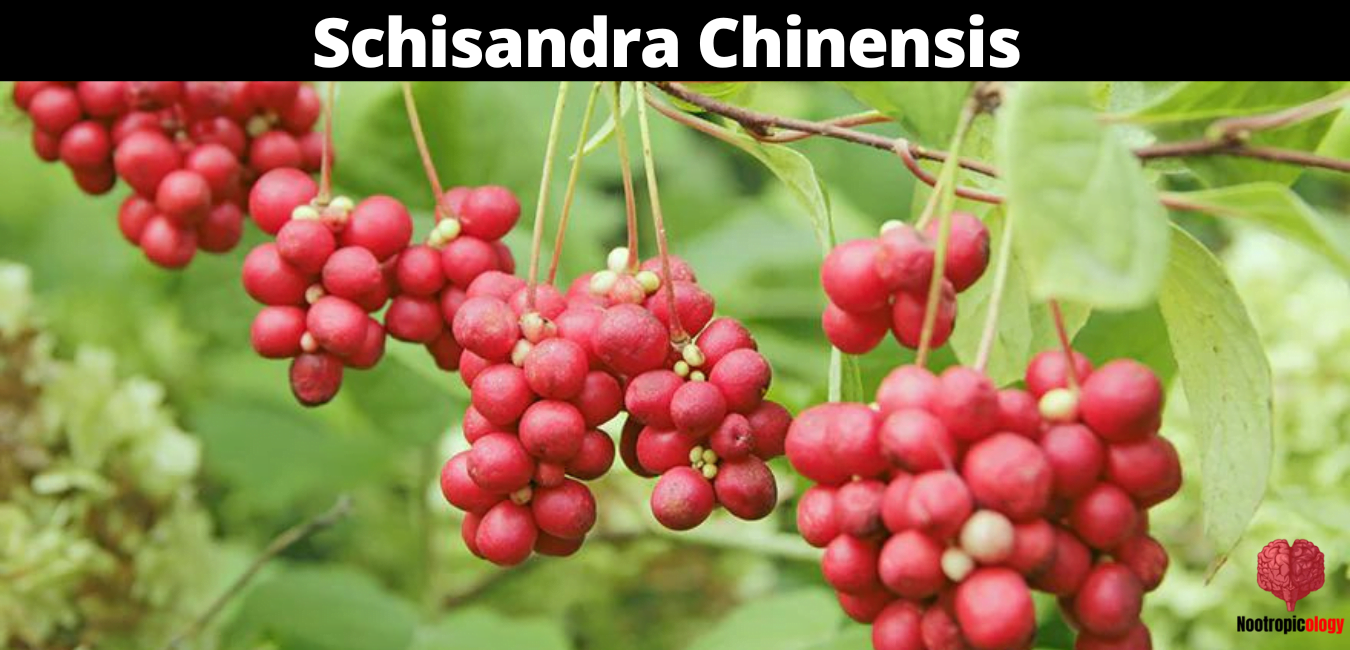
The origin of Schisandra Chinensis traces back to the forests of China, Russia, and Korea. Schisandra Chinensis has been used for centuries in traditional Chinese medicine, where it is known as "Wu Wei Zi," or "five-flavor fruit." The adaptogenic properties of Schisandra Chinensis have been valued for their ability to help the body resist stress.
What Is the Chemical Structure of Schisandra Chinensis?
The chemical structure of Schisandra Chinensis primarily consists of lignans such as schisandrin, schisandrol, and schisandrin B. The lignans in Schisandra Chinensis have a unique structure that allows them to cross the blood-brain barrier. This chemical structure is believed to play a crucial role in the nootropic and neuroprotective effects of Schisandra Chinensis.
How Does Schisandra Chinensis Enhance Cognitive Function?
Schisandra Chinensis enhances cognitive function by modulating neurotransmitter systems and reducing oxidative stress. The lignans in Schisandra Chinensis increase levels of neurotransmitters such as dopamine and serotonin, which are essential for mood regulation and cognitive performance. Schisandra Chinensis also provides antioxidant protection, which safeguards neurons and supports overall brain health.
What Are the Biochemical Processes Influenced by Schisandra Chinensis?
The biochemical processes influenced by Schisandra Chinensis include neurotransmitter regulation and oxidative stress reduction. Schisandra Chinensis enhances mitochondrial function, which is vital for energy production in brain cells. Schisandra Chinensis also activates the Nrf2 pathway, a key regulator of cellular defense mechanisms against oxidative damage.
What Are the Primary Uses and Benefits of Schisandra Chinensis?
The primary uses of Schisandra Chinensis include cognitive enhancement, memory improvement, and stress reduction. Schisandra Chinensis is effective in promoting mental clarity and concentration, especially in stressful situations. The adaptogenic properties of Schisandra Chinensis make it a valuable supplement for overall mental well-being.
How Does Schisandra Chinensis Benefit Cognitive Disorders?
Schisandra Chinensis benefits cognitive disorders by protecting neurons and enhancing neurotransmitter function. Schisandra Chinensis shows potential in managing conditions such as Alzheimer’s disease, where oxidative stress and neurotransmitter imbalances are significant factors. The neuroprotective effects of Schisandra Chinensis may slow the progression of neurodegenerative diseases, though further research is required.
User Experiences and Reviews of Schisandra Chinensis
User experiences and reviews of Schisandra Chinensis often highlight its effectiveness in enhancing mental clarity and reducing stress. Many users report feeling more focused and calm after incorporating Schisandra Chinensis into their routine. Reviews from online communities, such as Reddit, indicate that while some users experience significant cognitive benefits, others notice more subtle effects, underscoring the variability in individual responses.
What Do Personal Experiences and Reddit Discussions Reveal About Schisandra Chinensis?
Personal experiences and Reddit discussions reveal that Schisandra Chinensis is often praised for its calming and cognitive-enhancing effects. Users commonly report improvements in mental clarity, focus, and stress management. Discussions on Reddit highlight that Schisandra Chinensis helps some individuals maintain concentration during stressful tasks and promotes a sense of overall well-being. However, experiences can vary, with some users noting subtle effects and others experiencing more pronounced cognitive benefits, depending on factors such as dosage and individual sensitivity.
My Personal Schisandra Chinensis Experience and Results
My personal experience with Schisandra Chinensis was marked by a noticeable increase in mental clarity and sustained focus throughout the day. Schisandra Chinensis provided a calm, steady energy without the overstimulation often associated with other nootropics. Over several weeks of use, I observed a reduction in stress levels and an overall enhancement in cognitive performance, particularly during mentally demanding tasks.
How Does Schisandra Chinensis Feel and What Results Were Observed?
Schisandra Chinensis feels subtly invigorating, providing a calm yet focused energy without the overstimulation associated with other nootropics. Users often report a gradual improvement in mental clarity, concentration, and overall mood. The results observed with Schisandra Chinensis include enhanced cognitive performance, reduced stress, and a more resilient response to mental fatigue, making it an effective supplement for both daily tasks and high-pressure situations.
Practical Aspects of Acquiring Schisandra Chinensis
Practical aspects of acquiring Schisandra Chinensis involve ensuring the purchase from reputable sources to guarantee product quality and safety. Schisandra Chinensis can be found both online and in health food stores, but it is essential to choose vendors who provide third-party testing and transparent sourcing information. The cost of Schisandra Chinensis varies depending on the form and brand, with prices typically ranging from $20 to $50 for a month's supply.
Where and How to Purchase Schisandra Chinensis Safely and Legally?
Schisandra Chinensis can be purchased safely and legally from reputable online retailers, health food stores, and specialized supplement shops. When purchasing Schisandra Chinensis, it is important to verify the credibility of the seller, ensuring that the product is free from contaminants and meets quality standards. Opting for brands that offer third-party testing can provide additional assurance of product purity and efficacy.
How Much Does Schisandra Chinensis Cost?
The cost of Schisandra Chinensis typically ranges from $20 to $50 for a month's supply, depending on the form (capsules, powders, or extracts) and the brand. Bulk purchases or subscription services may offer discounts, reducing the overall cost. Prices can vary based on the concentration of active ingredients, with higher-potency products generally commanding higher prices.
Understanding Schisandra Chinensis's Side Effects and Safety Profile
An understanding of Schisandra chinensis's side effects and safety profile is essential for informed use. Schisandra chinensis is generally regarded as safe when taken in appropriate amounts, but potential side effects and interactions should be noted. Adverse effects are rare, with some users reporting gastrointestinal discomfort, allergic reactions, or headaches.
What Are the Known Short-Term and Long-Term Side Effects?
The known short-term and long-term side effects of Schisandra chinensis are gastrointestinal issues such as nausea, diarrhea, and stomach cramps. Allergic reactions, including skin rashes or itching, can occur, particularly in sensitive individuals. Long-term side effects are not well-documented, but excessive consumption could lead to liver toxicity or hormonal imbalances.
What Are the Major Drug Interactions with Schisandra Chinensis?
The major drug interactions with Schisandra chinensis include its potential to affect CYP450 enzyme metabolism, altering the effectiveness of drugs processed by the liver. Schisandra may enhance the effects of sedatives and anticoagulants, increasing the risk of excessive sedation or bleeding. Additionally, it may stimulate the immune system, potentially counteracting the effects of immunosuppressive drugs.
Administration and Dosage Guidelines for Schisandra Chinensis
The administration and dosage guidelines for Schisandra chinensis vary based on the form of consumption. For dried berries, a typical dosage is 1-3 grams per day, consumed as tea or added to food. Standardized extracts usually range from 100 to 500 mg per day, depending on concentration. Capsules commonly contain dosages between 300 to 600 mg, taken 1-3 times daily. Starting with a lower dose to assess tolerance is advisable before gradually increasing as needed.
What Are the Different Forms and Methods of Taking Schisandra Chinensis?
The different forms and methods of taking Schisandra chinensis include:
- Dried Berries: Consumed directly or brewed into tea, providing a natural source of nutrients.
- Powdered Extracts: Available in supplement form, allowing for easy incorporation into smoothies or foods.
- Tinctures: Liquid extracts that can be taken sublingually or added to beverages for quick absorption.
- Capsules: Convenient for those who prefer a precise dosage without the taste of the berries.
Each method offers unique benefits, with dried berries providing a whole food option and extracts or capsules offering concentrated doses.
How Much Schisandra Chinensis Is Recommended for Desired Effects?
The recommended dosage typically ranges from 1 to 3 grams of dried berries per day. For extracts, dosages can vary from 100 to 500 mg per day, depending on concentration. Capsules usually contain 300 to 600 mg, taken 1-3 times daily. Adjustments may be necessary based on individual tolerance and health goals.
Pharmacokinetics of Schisandra Chinensis
The pharmacokinetics of Schisandra chinensis involve its absorption, metabolism, and excretion processes.
How Is Schisandra Chinensis Absorbed, Metabolized, and Excreted in the Body?
Schisandra chinensis is absorbed through the gastrointestinal tract, with its bioactive compounds entering the bloodstream. The primary metabolites include lignans, which are further processed in the liver. Excretion occurs primarily through urine and feces, with some compounds being eliminated in bile. The exact pharmacokinetic profile is still under investigation, with ongoing research aimed at understanding its bioavailability and metabolic pathways.[1]
Tolerance and Dependency Issues with Schisandra Chinensis
There is limited evidence suggesting that users can develop tolerance or dependency issues with Schisandra chinensis. Unlike many pharmaceutical drugs, Schisandra does not appear to cause significant tolerance buildup or withdrawal symptoms upon discontinuation. However, more research is needed to fully characterize its long-term effects and safety profile.
Can Users Develop Tolerance to Schisandra Chinensis?
While some adaptogenic herbs can cause tolerance with prolonged use, Schisandra chinensis does not seem to exhibit this issue to a notable degree. Studies indicate its beneficial effects can be maintained over extended periods without requiring dose escalation. However, individual variations exist, and taking breaks from supplementation may be prudent.
Interactions and Synergies: Schisandra Chinensis Combinations
Schisandra chinensis may interact with certain substances and exhibit synergistic effects when combined with other herbs or compounds. Some key points:
- Cholinergic Drugs: Schisandra may enhance the effects of medications that affect acetylcholine, such as some Alzheimer's drugs.
- Sedatives: Its adaptogenic properties could potentiate the effects of sedatives and sleep aids.
- Immunosuppressants: Schisandra may counteract the immunosuppressive effects of certain medications.
- Antioxidants: Combining Schisandra with other antioxidant-rich herbs or supplements may provide synergistic neuroprotective benefits.
Consulting a healthcare professional before combining Schisandra with other substances is advised to avoid potential interactions or adverse effects.
What Substances Interact with Schisandra Chinensis?
Schisandra Chinensis may interact with medications processed by the CYP450 enzyme system in the liver, potentially altering their metabolism and effectiveness. It could also enhance the effects of sedatives, anticoagulants, and immunosuppressants. Combining Schisandra with antioxidant-rich herbs may provide synergistic benefits. However, more research is needed to fully characterize its interaction profile.
What Are the Most Effective Schisandra Chinensis Stacks?
Effective stacks often combine Schisandra with other adaptogens or nootropics to enhance cognitive and physical performance. For example, pairing Schisandra with Rhodiola rosea can improve stress resilience and mental clarity. Combining Schisandra with Bacopa monnieri may enhance memory retention and cognitive function. Additionally, using Schisandra alongside L-theanine can promote relaxation while maintaining focus, making it a well-rounded stack for cognitive enhancement.
Exploring Alternatives to Schisandra Chinensis
Viable alternatives include other adaptogenic herbs such as Ashwagandha, which helps reduce stress and anxiety, and Rhodiola rosea, known for its energy-boosting and mood-enhancing properties. Ginseng is another alternative that supports physical endurance and cognitive function. Additionally, Bacopa monnieri is recognized for its memory-enhancing effects, making it a suitable substitute for cognitive support.
What Are Viable Alternatives to Schisandra Chinensis?
Several adaptogenic herbs and nootropics can serve as effective substitutes. Ashwagandha is a popular alternative known for its stress-reducing and anxiety-relieving properties. Rhodiola rosea is another viable option, recognized for its ability to enhance energy, endurance, and mental clarity. Ginseng supports physical performance and cognitive function, while Bacopa monnieri is renowned for its memory-enhancing effects. Each of these alternatives offers unique benefits, making them suitable choices depending on individual health goals.
Insights from Scientific Research on Schisandra Chinensis
Insights from scientific research on Schisandra chinensis highlight its diverse health benefits and mechanisms of action. Studies indicate that Schisandra enhances cognitive function by increasing levels of acetylcholine, a neurotransmitter crucial for memory and learning. Research also shows its ability to reduce oxidative stress and inflammation, contributing to neuroprotection. Furthermore, Schisandra's adaptogenic properties help modulate the body's response to stress, promoting overall mental and physical well-being. Ongoing research continues to explore its potential therapeutic applications in various health conditions.[2]
What Have Animal and Human Studies Revealed About Schisandra Chinensis?
Animal studies indicate that Schisandra can improve cognitive function, with research showing its ability to ameliorate memory impairment in models of Alzheimer's disease. In healthy subjects, Schisandra has been found to enhance endurance, accuracy of movement, and overall mental performance. Human studies also suggest that Schisandra may increase working and exercising capacity and reduce stress, contributing to improved cognitive function and resilience.[3]
Evaluating the Value of Schisandra Chinensis for Cognitive Enhancement
Investing in Schisandra chinensis may be beneficial for those seeking natural cognitive enhancers. Its adaptogenic properties support stress management and mental clarity, while its neuroprotective effects may help prevent cognitive decline. The combination of physical and cognitive benefits makes Schisandra a valuable addition to a wellness regimen, particularly for individuals looking for alternatives to synthetic nootropics.[4]
Insights from Scientific Research on Schisandra Chinensis
Insights from scientific research on Schisandra chinensis highlight its diverse health benefits and mechanisms of action. Studies indicate that Schisandra enhances cognitive function by increasing levels of acetylcholine, a neurotransmitter crucial for memory and learning. Research also shows its ability to reduce oxidative stress and inflammation, contributing to neuroprotection. Furthermore, Schisandra's adaptogenic properties help modulate the body's response to stress, promoting overall mental and physical well-being.[5]
Frequently Asked Questions (FAQ) About Schisandra Chinensis
Your questions about Schisandra Chinensis answered.
How Long Does It Take for Schisandra Chinensis to Kick In?
The effects of Schisandra chinensis can typically be felt within 30 minutes to 2 hours after consumption, depending on the form taken (e.g., tea, extract, or capsules). Users may experience increased energy, improved focus, and enhanced mood during this time.
How Long Do the Effects of Schisandra Chinensis Last?
The effects of Schisandra chinensis generally last for 4 to 6 hours, although this can vary based on individual metabolism and the dosage taken. Some users report sustained benefits, such as improved mental clarity and reduced stress, throughout the day.
What Does Schisandra Chinensis Taste Like?
Schisandra chinensis has a unique flavor profile described as a combination of sweet, sour, salty, bitter, and pungent, often referred to as "the five-flavor fruit." This complex taste makes it a popular choice for teas and herbal blends.
Is Schisandra Chinensis Legal?
Yes, Schisandra chinensis is legal in most countries and is commonly available as a dietary supplement, herbal tea, or food ingredient. It is recognized for its medicinal properties and is widely used in traditional medicine.
Is Schisandra Chinensis FDA-Approved?
Schisandra chinensis is not specifically FDA-approved as a drug; however, it is considered a dietary supplement. The FDA does not evaluate dietary supplements for safety or efficacy before they are marketed, but manufacturers are responsible for ensuring their products are safe and accurately labeled.
- He, Jin-Lian et al. “Schisandra chinensis regulates drug metabolizing enzymes and drug transporters via activation of Nrf2-mediated signaling pathway.” Drug design, development and therapy vol. 9 127-46. 17 Dec. 2014, doi:10.2147/DDDT.S68501
- Rybnikář, Michal et al. “Schisandra chinensis and its phytotherapeutical applications.” “Schisandra čínská a její využití ve fytoterapii.” Ceska a Slovenska farmacie : casopis Ceske farmaceuticke spolecnosti a Slovenske farmaceuticke spolecnosti vol. 68,3 (2019): 95-118.
- Hong, Bok Sil et al. “Systematic analysis of the pharmacological function of Schisandra as a potential exercise supplement.” Physical activity and nutrition vol. 25,4 (2021): 38-44. doi:10.20463/pan.2021.0024
- Jang, Yunseon et al. “Schisandra Extract and Ascorbic Acid Synergistically Enhance Cognition in Mice Through Modulation of Mitochondrial Respiration.” Nutrients vol. 12,4 897. 25 Mar. 2020, doi:10.3390/nu12040897
- Jia, Mengzhen et al. “An analysis of the nutritional effects of Schisandra chinensis components based on mass spectrometry technology.” Frontiers in nutrition vol. 10 1227027. 25 Jul. 2023, doi:10.3389/fnut.2023.1227027
source https://nootropicology.com/schisandra-chinensis/