Tuesday, 5 August 2025

Bromantane Nootropic Review: Benefits, Use, Dosage & Side Effects

bromantane_review

Bromantane, a synthetic adamantane derivative, has garnered significant interest in the nootropic community for its purported cognitive-enhancing and performance-boosting effects. Developed in Russia in the 1980s, bromantane has been studied for its potential to improve mental and physical work capacity, reduce fatigue, and alleviate anxiety and depression symptoms. This comprehensive review looks into the neurobiological mechanisms, clinical applications, user experiences, and practical aspects surrounding bromantane as a nootropic compound.

Overall Verdict

Bromantane demonstrates promising potential as a cognitive enhancer and performance optimizer, with a unique blend of psychostimulant, anxiolytic, and neuroprotective properties. Its ability to modulate dopaminergic and serotonergic neurotransmission, enhance neurotrophic factors, and mitigate oxidative stress suggests a multifaceted approach to improving brain function. While human studies are limited, available evidence and user reports indicate notable benefits in mental clarity, focus, motivation, and stress resilience.

What Is Bromantane and Its Chemical Composition?
bromantane

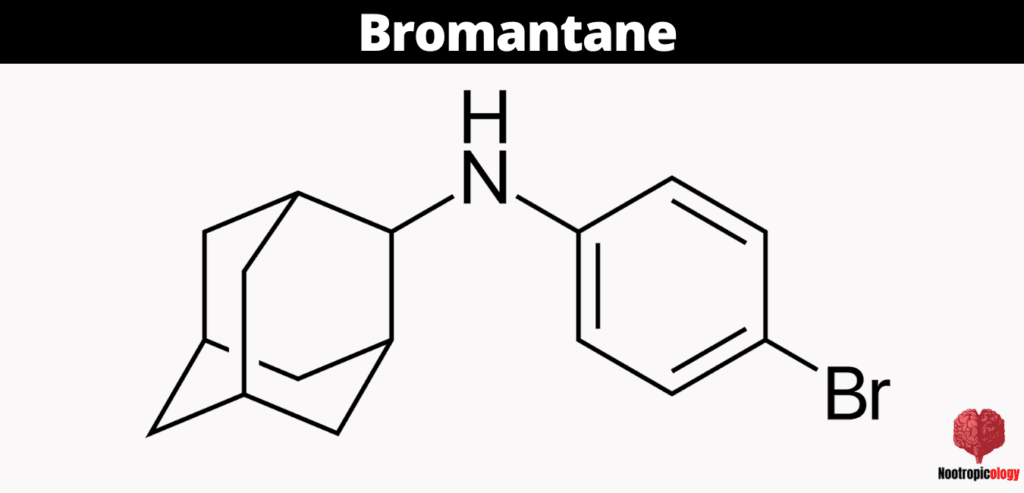
Bromantane, chemically known as N-(2-adamantyl)-N-(para-bromophenyl)-amine, is a small molecule with the molecular formula C16H20BrN. Its structure consists of an adamantane core substituted with a p-bromophenyl group and an amine moiety, conferring unique pharmacological properties. This nootropic compound has a molecular weight of 322.24 g/mol and exists as a white, crystalline powder with lipophilic characteristics, enabling efficient blood-brain barrier (BBB) penetration.

What Is the Origin of Bromantane?

Bromantane was originally synthesized at the Institute of Medicinal Chemistry in Moscow, Russia, in the 1980s as part of a research program aimed at developing novel psychostimulants and adaptogenic compounds. Initial studies focused on its ability to enhance physical and mental performance, reduce fatigue, and protect against stress-induced impairments. Subsequent research expanded into its potential therapeutic applications in neurology, psychiatry, and neurodegenerative disorders, showcasing its versatility as a neuromodulatory agent.[1]

What Is the Chemical Structure of Bromantane?

The chemical structure of bromantane features a lipophilic adamantane moiety, a polycyclic hydrocarbon cage consisting of three fused cyclohexane rings in a diamond-like configuration. This compact, highly symmetrical structure contributes to its stability and blood-brain barrier permeability. Attached to the adamantane core is a p-bromophenyl group, which introduces an electron-withdrawing bromine atom that influences its pharmacological properties. The presence of an amine group further modulates its interactions with biological targets and contributes to its water solubility.

How Does Bromantane Enhance Cognitive Function?

Bromantane exerts its cognitive-enhancing effects through a multifaceted mechanism of action, primarily involving modulation of neurotransmitter systems, enhancement of neurotrophic factors, and neuroprotective properties. Its ability to optimize brain function across multiple domains contributes to its nootropic potential and distinguishes it from traditional psychostimulants. The following sections delve into the specific neurobiological processes influenced by bromantane and their implications for cognitive performance.

What Are the Biochemical Processes Influenced by Bromantane?

Bromantane's cognitive-enhancing effects are mediated through its influence on several key neurochemical pathways and cellular processes:

  1. Dopaminergic modulation: Bromantane acts as a mild dopamine reuptake inhibitor, increasing synaptic dopamine levels in the prefrontal cortex and striatum. This action is thought to underlie its motivational, focus-promoting, and mood-elevating properties. Bromantane has been shown to upregulate tyrosine hydroxylase, the rate-limiting enzyme in dopamine synthesis, suggesting a more sustained impact on dopaminergic neurotransmission.[2]
  2. Serotonergic modulation: Bromantane also influences serotonergic neurotransmission, acting as a mild serotonin reuptake inhibitor and 5-HT1A receptor agonist. These actions contribute to its anxiolytic and stress-reducing effects, promoting emotional well-being and resilience in the face of cognitive challenges.[3]
  3. Neurotrophic factor enhancement: Bromantane has been shown to upregulate brain-derived neurotrophic factor (BDNF) and nerve growth factor (NGF), two key proteins involved in neuronal survival, differentiation, and synaptic plasticity. This neurotrophic effect may underlie bromantane's potential to support long-term cognitive health and adaptive brain changes associated with learning and memory.[4]
  4. Antioxidant and neuroprotective properties: Bromantane exhibits antioxidant and neuroprotective effects, scavenging reactive oxygen species (ROS) and attenuating oxidative stress-induced cellular damage. These actions are particularly relevant in the context of age-related cognitive decline and neurodegenerative disorders, where oxidative stress plays a significant pathogenic role.[5]
  5. Mitochondrial function optimization: Bromantane has been shown to enhance mitochondrial energy production and improve the efficiency of the electron transport chain. This effect on cellular bioenergetics may contribute to its anti-fatigue properties and support the high metabolic demands of cognitive processing.[1]

By targeting multiple neurobiological pathways and promoting brain health at various levels, bromantane offers a comprehensive approach to cognitive enhancement. Its unique blend of neurotransmitter modulation, neurotrophic support, and neuroprotective effects distinguishes it from traditional psychostimulants and highlights its potential as a versatile nootropic agent.

What Are the Primary Uses and Benefits of Bromantane?

Bromantane's unique pharmacological profile and neuromodulatory effects translate into a range of potential cognitive, emotional, and performance benefits. Its ability to enhance motivation, focus, and mental energy while reducing anxiety and fatigue makes it an attractive option for individuals seeking to optimize their brain function in various contexts. The following sections explore the specific applications and advantages of bromantane in both clinical and non-clinical settings.

How Does Bromantane Benefit Cognitive Disorders?

Bromantane has been investigated as a potential therapeutic agent for several cognitive disorders, leveraging its pro-cognitive, neuroprotective, and mood-regulating properties:

  1. Attention deficit hyperactivity disorder (ADHD): Bromantane's dopaminergic and serotonergic effects, combined with its low abuse potential, make it a promising candidate for managing ADHD symptoms. Its ability to enhance focus, motivation, and impulse control without the typical side effects of traditional psychostimulants warrants further exploration in this context.
  2. Depression and anxiety disorders: Bromantane's anxiolytic and mood-elevating properties, mediated through its influence on serotonergic neurotransmission and HPA axis modulation, suggest potential benefits in the treatment of depression and anxiety disorders. Clinical studies have reported improvements in emotional well-being, stress resilience, and overall quality of life in patients with these conditions.[6]
  3. Post-stroke cognitive impairment: Bromantane's neuroprotective and neurotrophic effects may be valuable in promoting cognitive recovery following stroke or traumatic brain injury. Animal studies have shown improved functional outcomes and reduced neuronal damage in models of cerebral ischemia and reperfusion injury.[7]

Its multifaceted mechanism of action and favorable side effect profile make it a promising candidate for further investigation as a cognitive enhancer in both healthy individuals and those with neurological or psychiatric conditions.

How Can Bromantane Improve Cognitive Performance in Healthy Individuals?

Beyond its potential clinical applications, bromantane has garnered interest as a nootropic agent for healthy individuals seeking to enhance their cognitive performance and mental well-being. Its ability to optimize brain function across multiple domains makes it an attractive option for students, professionals, and anyone looking to boost their mental capabilities:

  1. Enhanced focus and concentration: Bromantane's dopaminergic effects, particularly in the prefrontal cortex, can improve attention, concentration, and task engagement. Users often report increased mental clarity, reduced distractibility, and enhanced ability to sustain focus on demanding cognitive tasks.
  2. Improved memory and learning: Bromantane's influence on neurotrophic factors and synaptic plasticity may support the formation and retention of new memories. Animal studies have demonstrated enhanced spatial memory and learning following bromantane administration, while human users often report improved recall and information processing.
  3. Increased motivation and mental energy: Bromantane's psychostimulant-like effects, mediated through its dopaminergic action, can boost motivation, drive, and mental stamina. Users often experience heightened enthusiasm for tasks, reduced procrastination, and increased resilience in the face of mental fatigue.
  4. Stress reduction and emotional balance: Bromantane's anxiolytic and mood-stabilizing properties, related to its serotonergic modulation, can promote emotional well-being and resilience in high-pressure or stressful situations. Users frequently report reduced anxiety, improved stress coping, and a greater sense of calm and mental balance.
  5. Cognitive flexibility and creativity: Bromantane's ability to modulate multiple neurotransmitter systems and promote neuroplasticity may enhance cognitive flexibility and divergent thinking. Some users report increased mental agility, improved problem-solving abilities, and heightened creative insights.

User Experiences and Reviews of Bromantane

Real-world user experiences and anecdotal reports provide valuable insights into the subjective effects and practical considerations surrounding bromantane use. While individual responses can vary, common themes emerge from user reviews, offering a glimpse into the potential benefits and drawbacks of this nootropic compound. The following sections explore the perspectives and experiences shared by bromantane users in online communities and personal accounts.

What Do Personal Experiences and Reddit Discussions Reveal About Bromantane?

Online nootropic communities, such as Reddit's r/Nootropics, serve as platforms for users to share their experiences, discuss dosing protocols, and exchange information about the effects of various cognitive enhancers. A review of bromantane-related discussions reveals a generally positive sentiment, with many users reporting notable improvements in focus, motivation, and mental energy:

  1. Focus and concentration: Numerous users report enhanced ability to sustain attention and concentrate on tasks for extended periods. Many describe a state of heightened mental clarity and reduced distractibility, allowing for more productive work or study sessions.
  2. Motivation and drive: Bromantane is frequently praised for its motivational effects, with users experiencing increased drive, enthusiasm, and goal-directed behavior. Some report a reduction in procrastination and greater ease in initiating and persisting with tasks.
  3. Mood and anxiety: Many users highlight bromantane's mood-brightening and anxiolytic properties, describing a subtle lift in emotional well-being and reduced stress reactivity. Some report improved stress coping and resilience in high-pressure situations.
  4. Mental energy and fatigue reduction: Users often note a boost in mental stamina and a reduction in cognitive fatigue, particularly during prolonged mental exertion. Some describe feeling more energized and alert without the jitteriness or crash associated with traditional stimulants.
  5. Memory and learning: While less consistently reported, some users mention improvements in memory retention and recall, as well as faster information processing and learning.

Alongside these positive experiences, users also discuss potential side effects and limitations:

  1. Insomnia: Some users report difficulties with sleep onset or maintenance, particularly when taking bromantane late in the day or at higher doses.
  2. Headaches: A subset of users experience mild to moderate headaches, especially during the initial adjustment period or with higher dosages.
  3. Tolerance and dependence: Some long-term users report developing tolerance to bromantane's effects over time, requiring higher doses to achieve the same benefits. Concerns about potential psychological dependence are also occasionally raised.
  4. Individual variability: Users emphasize that bromantane's effects can vary significantly between individuals, with some experiencing pronounced benefits while others notice little or no effect.

These user experiences, while informative, should be interpreted with caution. Individual responses to nootropics can be influenced by factors such as genetics, neurochemistry, and underlying health status. Controlled clinical trials are necessary to establish the safety and efficacy of bromantane conclusively. Nonetheless, the largely positive user reports suggest that bromantane may offer valuable cognitive and emotional benefits for some individuals.

My Personal Bromantane Experience and Results

To provide a more personal perspective on the effects of bromantane, I decided to experiment with this nootropic compound myself. As an enthusiast of cognitive enhancement and biohacking, I was intrigued by the potential benefits described in scientific literature and user reports. The following sections detail my firsthand experience with bromantane, including dosing, subjective effects, and overall impressions.

How Does Bromantane Feel and What Results Were Observed?

I began my bromantane trial with a conservative dose of 50 mg per day, taken in the morning on an empty stomach. After a week of consistent use, I gradually increased the dosage to 100 mg per day, which I maintained for an additional three weeks. Throughout this period, I monitored my cognitive performance, emotional state, and any potential side effects.

During the first few days of bromantane use, I noticed a subtle but palpable shift in my mental clarity and focus. I found it easier to concentrate on work tasks and maintain attention for longer periods without succumbing to distractions. This enhanced focus was accompanied by a mild boost in mental energy and motivation, making it easier to initiate and persist with cognitively demanding activities.

As I continued my bromantane regimen, I experienced a gradual improvement in my overall cognitive performance. I felt more mentally agile and able to process information more efficiently, with improved memory retention and recall. I also noticed a subtle enhancement in my verbal fluency and ability to articulate complex ideas, which was particularly beneficial in professional contexts.

In terms of emotional effects, bromantane seemed to impart a mild mood-brightening and anxiolytic effect. I felt more emotionally resilient and better equipped to handle stress and pressure, with reduced anxiety in social and performance situations. This emotional balance contributed to an overall sense of well-being and mental comfort.

Physically, I noticed a slight increase in energy levels and stamina, particularly during exercise and physical activity. I felt less prone to fatigue and recovered more quickly from exertion, which may be attributed to bromantane's influence on dopaminergic neurotransmission and mitochondrial function.

Regarding side effects, I experienced mild insomnia during the first week of use, particularly when taking bromantane later in the day. This effect subsided with time and could be mitigated by adjusting the dosing schedule. I did not notice any significant headaches, gastrointestinal discomfort, or other adverse reactions.

Overall, my personal experience with bromantane was positive, with notable improvements in cognitive performance, emotional well-being, and physical stamina. The effects were subtler compared to more potent stimulants but lacked the associated jitteriness or crash.

Practical Aspects of Acquiring Bromantane

For individuals interested in experimenting with bromantane, understanding the practical aspects of acquisition, legality, and cost is essential. The following sections provide an overview of the current landscape surrounding bromantane availability, legal status, and purchasing options.

Where and How to Purchase Bromantane Safely and Legally?

Bromantane is not currently approved for medical use in most countries, including the United States and the European Union. As a result, it is not available through traditional pharmaceutical channels or prescription. However, it can be purchased as a research chemical or nootropic supplement from various online vendors.

When purchasing bromantane online, it is crucial to exercise caution and due diligence. The nootropic supplement market is largely unregulated, and product quality, purity, and potency can vary significantly between vendors. To minimize risks and ensure a positive experience, consider the following factors:

  1. Vendor reputation: Choose reputable vendors with a proven track record of providing high-quality, pure, and accurately labeled nootropic substances. Research vendor reviews, user experiences, and online nootropic community recommendations to identify trusted sources.
  2. Third-party testing: Opt for vendors that provide third-party laboratory analysis certificates, verifying the purity, potency, and absence of contaminants in their bromantane products. This transparency helps ensure that you receive a genuine and safe product.
  3. Shipping and packaging: Ensure that the vendor offers discreet and secure shipping options to protect your privacy and prevent potential legal issues. Look for vendors that use plain, unmarked packaging and provide tracking information for your order.
  4. Customer support: Select vendors with responsive and knowledgeable customer support, willing to answer your questions and address any concerns regarding bromantane use, dosing, or potential interactions.
  5. Legal considerations: Be aware of the legal status of bromantane in your country or jurisdiction. While it is not explicitly banned in most areas, it may be subject to import restrictions or fall under analog drug laws. Research the specific regulations applicable to your location to avoid potential legal complications.

How Much Does Bromantane Cost?

The cost of bromantane can vary depending on the vendor, product form, and quantity purchased. On average, prices range from $30 to $60 per gram of pure bromantane powder. Some vendors offer capsules or pre-measured doses, which may be more convenient but often come at a higher price per serving.

When considering the cost of bromantane, it is essential to factor in the potential long-term expenses. While the initial investment may seem reasonable, regular use can add up over time. Moreover, the lack of long-term safety data and the potential for tolerance development may make it necessary to cycle or discontinue use periodically, affecting the overall cost-benefit analysis.

Understanding Bromantane's Side Effects and Safety Profile

While bromantane is generally well-tolerated and has a favorable safety profile compared to traditional stimulants, it is not without potential side effects and risks. Understanding the possible adverse reactions, interactions, and long-term safety considerations is crucial for anyone considering using this nootropic compound. The following sections provide an overview of the known side effects and safety aspects of bromantane use.

What Are the Known Short-Term and Long-Term Side Effects?

Based on available studies and user reports, the most common short-term side effects of bromantane include:

  1. Insomnia: Some users may experience difficulty falling asleep or maintaining sleep, particularly when taking bromantane late in the day or at higher doses. This effect is likely related to its stimulant-like properties and influence on dopaminergic neurotransmission.
  2. Headaches: A subset of users report mild to moderate headaches, especially during the initial adjustment period or with higher dosages. These headaches are typically transient and can be managed by adjusting the dose or timing of administration.
  3. Gastrointestinal discomfort: Mild gastrointestinal symptoms, such as nausea, stomach discomfort, or changes in appetite, have been reported by some users. These effects are generally infrequent and subside with continued use or dose adjustment.
  4. Anxiety or agitation: While bromantane is known for its anxiolytic properties, some individuals may experience paradoxical increases in anxiety or agitation, particularly at higher doses or in combination with other stimulants.
  5. Dry mouth or thirst: Bromantane may cause mild dehydration or dry mouth in some users, which can be alleviated by increasing water intake throughout the day.

In terms of long-term side effects, the data is limited due to the lack of extensive human studies. However, potential concerns include:

  1. Tolerance and dependence: Some users report developing tolerance to bromantane's effects over time, requiring higher doses to achieve the same benefits. This raises concerns about potential psychological dependence and the need for periodic cycling or discontinuation.
  2. Hormonal imbalances: Bromantane's influence on neurotransmitter systems and the hypothalamic-pituitary-adrenal (HPA) axis may lead to hormonal imbalances with prolonged use. More research is needed to understand the long-term impact on endocrine function.
  3. Cardiovascular effects: While bromantane has not been shown to significantly affect blood pressure or heart rate in acute studies, its influence on dopaminergic and serotonergic systems may have potential long-term cardiovascular implications that warrant further investigation.
  4. Interactions with pre-existing conditions: Individuals with pre-existing neurological, psychiatric, or cardiovascular conditions should exercise caution when considering bromantane use, as its effects on neurotransmitter balance and brain function may interact with underlying pathologies.

What Are the Major Drug Interactions with Bromantane?

Bromantane's influence on multiple neurotransmitter systems raises the potential for interactions with other medications, supplements, and substances. While specific drug interaction studies are limited, the following potential interactions should be considered:

  1. Stimulants and dopaminergic agents: Combining bromantane with other stimulants, such as amphetamines, methylphenidate, or modafinil, may lead to additive or synergistic effects on dopaminergic neurotransmission. This can potentially increase the risk of adverse effects, such as anxiety, agitation, or cardiovascular strain.
  2. Serotonergic agents: Bromantane's serotonergic effects may interact with medications that influence serotonin levels, such as selective serotonin reuptake inhibitors (SSRIs), serotonin-norepinephrine reuptake inhibitors (SNRIs), or monoamine oxidase inhibitors (MAOIs). Combining these substances may increase the risk of serotonin syndrome, a potentially dangerous condition characterized by excessive serotonergic activity.
  3. Blood pressure medications: Bromantane's potential impact on cardiovascular function may interact with blood pressure medications, such as beta-blockers or calcium channel blockers. Monitoring blood pressure and adjusting doses accordingly may be necessary.
  4. Nootropics and cognitive enhancers: Combining bromantane with other nootropic substances, such as racetams, cholinergics, or adaptogens, may lead to unpredictable effects on cognitive function and brain chemistry. Caution should be exercised when stacking multiple nootropics, and individual responses should be closely monitored.
  5. Alcohol and sedatives: Bromantane's stimulant-like effects may counteract the depressant effects of alcohol or sedatives, potentially leading to increased alcohol consumption or masking the impairment caused by these substances. Combining bromantane with alcohol or sedatives is not recommended.

Administration and Dosage Guidelines for Bromantane

Proper administration and dosage are key factors in optimizing the benefits and minimizing the risks associated with bromantane use. The following sections provide an overview of the different forms, methods of administration, and recommended dosage ranges for this nootropic compound.

What Are the Different Forms and Methods of Taking Bromantane?

Bromantane is most commonly available in the following forms:

  1. Powder: Pure bromantane powder is the most versatile and cost-effective form. It can be measured using a precision scale and consumed directly, mixed with water or other beverages, or encapsulated for easier administration.
  2. Capsules: Some vendors offer pre-measured bromantane capsules, which provide a convenient and accurate way to administer the nootropic. Capsules eliminate the need for measuring and can be easily transported and consumed on the go.
  3. Tablets: Although less common, bromantane tablets are available from some suppliers. Like capsules, tablets offer a pre-measured and convenient administration method.
  4. Liquid solutions: Bromantane can also be found in liquid form, either as a pre-made solution or as a concentrate that can be diluted before use. Liquid solutions allow for precise dosing and can be easily mixed with other beverages.

When choosing a method of administration, consider factors such as convenience, accuracy, and personal preferences. Some users may find capsules or tablets more palatable and easier to use, while others may prefer the flexibility and cost-effectiveness of powder form.

How Much Bromantane Is Recommended for Desired Effects?

The optimal dosage of bromantane can vary between individuals based on factors such as body weight, sensitivity, and desired effects. However, the following general guidelines can serve as a starting point:

  1. Cognitive enhancement and neuroprotection: For general nootropic purposes and neuroprotection, a typical dosage range is 50-200 mg per day, divided into one or two doses. Many users find that a daily dose of 100-150 mg provides a good balance of cognitive benefits and tolerability.
  2. Performance enhancement and fatigue reduction: For physical performance enhancement and fatigue reduction, slightly higher doses may be required, typically in the range of 100-300 mg per day, divided into two or three doses.
  3. Anxiety and stress reduction: For anxiolytic and stress-reducing effects, lower doses of 50-100 mg per day, divided into two doses, are often sufficient.

It is essential to start with the lowest effective dose and gradually increase it as needed, closely monitoring personal responses and side effects. Some users may find that they are sensitive to bromantane and require lower doses, while others may need higher doses to achieve desired effects.

When increasing the dosage, it is recommended to do so incrementally, in steps of 25-50 mg, and to allow sufficient time (at least a few days) to assess the effects and tolerability at each level before further adjustments. It is also important to note that higher doses may increase the risk of side effects and potential long-term complications, so caution should be exercised when exceeding the typical dosage ranges.

In general, it is advisable not to exceed a daily dose of 300 mg without close medical supervision and to cycle bromantane use, taking regular breaks to minimize the risk of tolerance development and potential long-term adverse effects. Consulting with a healthcare professional experienced in nootropic use can help determine the optimal dosage and administration protocol for individual needs and circumstances.

Pharmacokinetics of Bromantane

Understanding the pharmacokinetics of bromantane, including its absorption, distribution, metabolism, and excretion (ADME) properties, is essential for optimizing its use and predicting potential interactions or adverse effects. The following section provides an overview of the current knowledge regarding bromantane's pharmacokinetic profile.

How Is Bromantane Absorbed, Metabolized, and Excreted in the Body?

  1. Absorption: Bromantane is rapidly absorbed from the gastrointestinal tract following oral administration. Peak plasma concentrations are typically reached within 1-2 hours after ingestion, indicating a relatively quick onset of action. The oral bioavailability of bromantane is estimated to be around 70-80%, suggesting efficient absorption from the gut.
  2. Distribution: After absorption, bromantane is widely distributed throughout the body, with a particular affinity for lipid-rich tissues such as the brain. Its lipophilic nature and small molecular size allow it to readily cross the blood-brain barrier, enabling its central nervous system effects. Bromantane has been shown to accumulate in the brain, with concentrations several times higher than those found in the plasma.
  3. Metabolism: The metabolism of bromantane is primarily hepatic, involving the cytochrome P450 (CYP) enzyme system. The main metabolic pathways include hydroxylation, N-dealkylation, and glucuronidation. The major metabolites identified in human studies are hydroxylated derivatives of bromantane, which are thought to be pharmacologically active and contribute to its overall effects.
  4. Excretion: Bromantane and its metabolites are primarily excreted in the urine, with a smaller fraction eliminated through the feces. The elimination half-life of bromantane is estimated to be around 10-12 hours, suggesting that steady-state concentrations can be achieved within a few days of regular use. However, individual variations in metabolism and excretion rates may affect the elimination kinetics.

The pharmacokinetic profile of bromantane has implications for its use and potential interactions. Its rapid absorption and distribution to the brain align with the reported onset of cognitive and mood-enhancing effects within a few hours of administration. The relatively long elimination half-life suggests that once-daily dosing may be sufficient for maintaining therapeutic concentrations, but also raises the potential for accumulation with prolonged use.

The hepatic metabolism of bromantane via the CYP enzyme system highlights the potential for drug-drug interactions with medications or substances that inhibit or induce these enzymes. Caution should be exercised when combining bromantane with other drugs or supplements that are metabolized by the same pathways to avoid altered pharmacokinetics and potential adverse effects.

Furthermore, individual variations in CYP enzyme activity, such as those resulting from genetic polymorphisms, may affect bromantane metabolism and response. Some individuals may be slower or faster metabolizers, leading to differences in the optimal dosage and the risk of side effects.

In summary, while the available pharmacokinetic data provides a general understanding of bromantane's ADME properties, more research is needed to fully elucidate its behavior in the human body and inform optimal use and safety considerations. As with any nootropic substance, individual responses and potential interactions should be carefully monitored, and consultation with a healthcare professional is recommended to ensure safe and effective use.

Tolerance and Dependency Issues with Bromantane

One of the concerns surrounding the long-term use of any psychoactive substance, including nootropics like bromantane, is the potential for tolerance development and dependency. Tolerance refers to the diminished response to a substance over time, requiring higher doses to achieve the same effects. Dependency, on the other hand, is characterized by the need to continue using a substance to avoid withdrawal symptoms or maintain a certain level of functioning. The following section explores the current understanding of tolerance and dependency issues related to bromantane use.

Can Users Develop Tolerance to Bromantane?

Tolerance development is a common concern with many psychoactive substances, particularly those that influence neurotransmitter systems like dopamine and serotonin. In the case of bromantane, the available evidence suggests that tolerance can develop with prolonged or frequent use, although the extent and rate of tolerance may vary between individuals.

User reports and anecdotal experiences indicate that some individuals may develop tolerance to the cognitive-enhancing and mood-elevating effects of bromantane over time, requiring higher doses to achieve the same benefits. This tolerance may be related to adaptations in the dopaminergic and serotonergic systems, such as downregulation of receptors or changes in neurotransmitter release and reuptake.

To minimize the risk of tolerance development, several strategies can be employed:

  1. Cycling: Taking regular breaks from bromantane use, such as one week off after every three weeks of use, can help prevent or delay tolerance. This allows the brain to resensitize to the effects of the nootropic and maintains its effectiveness over time.
  2. Dosage management: Starting with the lowest effective dose and only increasing it gradually as needed can help prevent rapid tolerance development. Avoiding unnecessarily high doses and sticking to the recommended dosage range can also reduce the risk of tolerance.
  3. Combination with other nootropics: Stacking bromantane with other nootropics that have complementary mechanisms of action, such as racetams or adaptogens, may help offset tolerance by targeting different neurotransmitter systems and brain pathways.
  4. Lifestyle factors: Maintaining a healthy lifestyle, including regular exercise, a balanced diet, adequate sleep, and stress management, can support overall brain health and potentially mitigate tolerance development.

Interactions and Synergies: Bromantane Combinations

Nootropic enthusiasts often explore combinations of different substances, or "stacks," to enhance cognitive performance and target specific mental functions. Bromantane, with its unique pharmacological profile, may offer potential synergies and interactions when combined with other nootropics or supplements. The following section examines the current knowledge and user experiences regarding bromantane combinations and their effects on cognitive enhancement.

What Substances Interact with Bromantane?

While the scientific data on bromantane interactions is limited, user reports and an understanding of its mechanisms of action provide some insights into potential substance interactions. The following substances may interact with bromantane:

  1. Stimulants: Combining bromantane with other stimulants, such as caffeine, amphetamines, or modafinil, may lead to additive or synergistic effects on dopaminergic neurotransmission and arousal. This combination may enhance focus, motivation, and mental energy, but may also increase the risk of side effects such as anxiety, agitation, or cardiovascular strain.
  2. Serotonergic agents: Bromantane's serotonergic effects may interact with substances that influence serotonin levels, such as 5-HTP, St. John's Wort, or certain antidepressants (e.g., SSRIs, SNRIs). Combining these substances may potentiate the mood-elevating and anxiolytic effects of bromantane but may also increase the risk of serotonin syndrome, a potentially dangerous condition characterized by excessive serotonergic activity.
  3. Cholinergics: Bromantane may interact with cholinergic substances, such as acetylcholine precursors (e.g., choline, Alpha-GPC) or acetylcholinesterase inhibitors (e.g., huperzine A). These combinations may enhance cognitive functions related to attention, memory, and learning, but may also lead to excessive cholinergic stimulation and side effects such as headaches, nausea, or muscle cramps.
  4. Adaptogens: Combining bromantane with adaptogenic herbs, such as Rhodiola rosea, Panax ginseng, or Bacopa monnieri, may offer synergistic effects on stress resilience, mental stamina, and overall cognitive performance. Adaptogens may help balance the stimulatory effects of bromantane and provide additional neuroprotective and mood-stabilizing benefits.
  5. Racetams: Bromantane may interact with racetam nootropics, such as piracetam, aniracetam, or oxiracetam, which modulate cholinergic and glutamatergic neurotransmission. These combinations may enhance cognitive functions related to memory, learning, and verbal fluency, but may also increase the risk of headaches or overstimulation.

It is essential to note that the interactions between bromantane and other substances are not well-studied, and individual responses may vary. Caution should be exercised when combining bromantane with any substance, and it is always recommended to start with low doses, monitor personal reactions, and consult with a healthcare professional before experimenting with nootropic combinations.

What Are the Most Effective Bromantane Stacks?

Based on user experiences and theoretical synergies, the following bromantane stacks are commonly reported as effective for specific cognitive goals:

  1. Focus and motivation stack:
  • Bromantane (50-100 mg)
  • Caffeine (50-100 mg)
  • L-Theanine (100-200 mg)

This stack combines the dopaminergic effects of bromantane with the alertness-promoting effects of caffeine and the calming, focus-enhancing properties of L-theanine. The combination may enhance mental energy, concentration, and task engagement while minimizing the potential for anxiety or jitteriness.

  1. Memory and learning stack:
  • Bromantane (50-100 mg)
  • Piracetam (1600-3200 mg)
  • Alpha-GPC (300-600 mg)

This stack combines the neurotrophic and neuroprotective effects of bromantane with the cholinergic and glutamatergic modulation of piracetam and the acetylcholine precursor Alpha-GPC. The combination may support memory formation, recall, and overall learning capacity.

  1. Mood and stress resilience stack:
  • Bromantane (50-100 mg)
  • Rhodiola rosea (300-600 mg)
  • Bacopa monnieri (300-600 mg)

This stack combines the serotonergic and anxiolytic effects of bromantane with the adaptogenic and neuroprotective properties of Rhodiola rosea and Bacopa monnieri. The combination may promote emotional well-being, stress resilience, and cognitive stability under challenging conditions.

Exploring Alternatives to Bromantane

While bromantane offers a unique profile of cognitive-enhancing and mood-modulating effects, it may not be suitable or accessible for everyone. Some individuals may experience adverse reactions, have contraindications, or face legal or availability issues with bromantane. In such cases, exploring alternative nootropics with similar mechanisms of action or desired effects can be valuable. The following section presents some potential alternatives to bromantane for cognitive enhancement and mood support.

What Are Viable Alternatives to Bromantane?

  1. Selegiline: Selegiline is a monoamine oxidase B (MAO-B) inhibitor used in the treatment of Parkinson's disease and depression. Like bromantane, selegiline enhances dopaminergic and serotonergic neurotransmission, leading to improved mood, motivation, and cognitive function. It also exhibits neuroprotective properties and may slow age-related cognitive decline. Selegiline is available by prescription and may have fewer legal and availability issues compared to bromantane.
  2. Phenylpiracetam: Phenylpiracetam is a synthetic derivative of piracetam, a classic racetam nootropic. It shares some of bromantane's stimulant-like and mood-enhancing effects, primarily through its influence on dopaminergic and adrenergic neurotransmission. Phenylpiracetam is known for its cognitive-enhancing, energizing, and cold-resistance properties, making it a popular choice among students, athletes, and professionals seeking a mental and physical performance boost.
  3. Modafinil: Modafinil is a wakefulness-promoting agent used in the treatment of narcolepsy, shift work sleep disorder, and excessive daytime sleepiness. Like bromantane, modafinil enhances dopaminergic neurotransmission and improves cognitive functions such as attention, working memory, and executive control. It is also known for its mood-brightening and fatigue-reducing effects. Modafinil is available by prescription and has a well-established safety profile, although it may have some potential for abuse and dependency.
  4. Rhodiola rosea: Rhodiola rosea is an adaptogenic herb with a long history of use in traditional medicine for enhancing physical and mental performance, reducing fatigue, and improving stress resilience. Like bromantane, Rhodiola rosea influences neurotransmitter systems, particularly dopamine and serotonin, and has neuroprotective and anxiolytic properties. It may be a suitable natural alternative for individuals seeking the mood-stabilizing and stress-reducing effects of bromantane.
  5. Panax ginseng: Panax ginseng is another adaptogenic herb widely used for its cognitive-enhancing, energizing, and stress-reducing properties. Like bromantane, Panax ginseng modulates neurotransmitter systems, particularly dopamine and norepinephrine, and has neuroprotective and immune-modulating effects. It may be a suitable natural alternative for individuals seeking the cognitive and physical performance benefits of bromantane.
  6. Noopept: Noopept is a synthetic nootropic peptide with cognitive-enhancing and neuroprotective properties. Like bromantane, Noopept modulates neurotransmitter systems, particularly acetylcholine and glutamate, and has been shown to improve memory, learning, and overall cognitive function. It may also have anxiolytic and mood-enhancing effects, making it a potential alternative for individuals seeking the cognitive and emotional benefits of bromantane.

Insights from Scientific Research on Bromantane

While user experiences and anecdotal reports provide valuable insights into the effects and potential benefits of bromantane, scientific research is essential for understanding its mechanisms of action, safety profile, and therapeutic potential.

What Have Animal and Human Studies Revealed About Bromantane?

Preclinical animal studies have provided important insights into the pharmacological properties and potential therapeutic applications of bromantane. These studies have primarily focused on its effects on neurotransmitter systems, cognitive function, and neuroprotection:

  1. Dopaminergic and serotonergic modulation: Animal studies have consistently demonstrated that bromantane enhances dopaminergic and serotonergic neurotransmission in the brain. It has been shown to increase the release and prevent the reuptake of dopamine and serotonin, leading to elevated levels of these neurotransmitters in key brain regions such as the prefrontal cortex, striatum, and hippocampus. These effects are thought to underlie bromantane's cognitive-enhancing, motivational, and mood-regulating properties.
  2. Cognitive enhancement: Bromantane has been shown to improve cognitive function in various animal models, including tests of learning, memory, attention, and problem-solving. For example, studies have demonstrated that bromantane enhances spatial learning and memory in rats, improves attention and reduces impulsivity in mice, and enhances cognitive flexibility and problem-solving in monkeys. These effects are believed to be mediated by its influence on dopaminergic and serotonergic neurotransmission, as well as its neuroprotective properties.
  3. Neuroprotection and neuroplasticity: Animal studies have also revealed that bromantane has neuroprotective and neuroplasticity-enhancing effects. It has been shown to protect neurons from oxidative stress, neurotoxicity, and inflammation, which are key factors in age-related cognitive decline and neurodegenerative disorders. Bromantane has also been found to promote the growth and survival of new neurons (neurogenesis) and enhance synaptic plasticity, which are important for learning, memory, and overall brain health.
  4. Physical performance and endurance: Bromantane has been studied for its effects on physical performance and endurance in animals. Studies have shown that it can increase exercise capacity, reduce fatigue, and improve recovery in rodents. These effects are thought to be mediated by its influence on dopaminergic neurotransmission and its ability to optimize energy metabolism and reduce oxidative stress in skeletal muscle.

Human clinical trials on bromantane are limited, but the available studies have provided some evidence for its cognitive-enhancing, mood-regulating, and performance-enhancing effects.

Evaluating the Value of Bromantane for Cognitive Enhancement

Based on the available scientific evidence, user experiences, and practical considerations, it is important to critically evaluate the overall value of bromantane as a cognitive enhancer. While bromantane offers a unique combination of cognitive-enhancing, mood-regulating, and performance-enhancing effects, its use as a nootropic also comes with potential risks, limitations, and uncertainties. The following section provides a balanced assessment of the benefits and drawbacks of bromantane for cognitive enhancement, helping individuals make informed decisions about its use.

Is Investing in Bromantane a Good Decision for Cognitive Enhancement?

To determine whether investing in bromantane is a good decision for cognitive enhancement, it is essential to consider the following factors:

  1. Efficacy: The available scientific evidence, although limited, supports the cognitive-enhancing effects of bromantane. Animal studies have consistently demonstrated its ability to improve learning, memory, attention, and problem-solving, while human trials have reported improvements in cognitive function in healthy individuals and those with cognitive impairment.
  2. Safety: Bromantane has a relatively favorable safety profile compared to traditional stimulants and other cognitive enhancers. It is generally well-tolerated, with mild and transient side effects such as insomnia, headaches, and gastrointestinal discomfort. However, the long-term safety and potential adverse effects of bromantane, particularly at high doses or with prolonged use, have not been extensively studied. There are also concerns about the risk of tolerance, dependence, and withdrawal with chronic use.
  3. Legality and availability: Bromantane is not approved for medical use in most countries and is not widely available through traditional pharmaceutical channels. It is primarily sold as a research chemical or nootropic supplement online, which raises concerns about product quality, purity, and potential legal issues. The lack of regulatory oversight and quality control measures can make it difficult to ensure the safety and reliability of bromantane products.
  4. Cost: The cost of bromantane can vary depending on the vendor, product form, and quantity purchased. While it is generally less expensive than some other prescription cognitive enhancers, such as modafinil or selegiline, the long-term costs of regular use can add up. Additionally, the potential risks and uncertainties associated with bromantane may outweigh the financial investment for some individuals.
  5. Individual variability: The effects of bromantane, like any nootropic or cognitive enhancer, can vary significantly between individuals. Factors such as genetics, neurochemistry, health status, and concurrent medications can influence individual responses to bromantane. Some individuals may experience significant benefits, while others may have limited or no effects. This variability makes it difficult to predict the value of bromantane for a given individual.

Frequently Asked Questions (FAQ) About Bromantane

As with any nootropic or cognitive enhancer, individuals often have common questions and concerns about bromantane.

How Long Does It Take for Bromantane to Kick In?

Bromantane is rapidly absorbed from the gastrointestinal tract, with peak plasma concentrations typically reached within 1-2 hours after oral administration. Many users report feeling the initial effects of bromantane within 30-60 minutes of ingestion, with the full effects becoming apparent within 2-3 hours. The onset of action may vary slightly depending on individual factors such as body weight, metabolism, and dosage.

How Long Does the Effect of Bromantane Last?

The duration of bromantane's effects can vary between individuals, but most users report that the primary cognitive-enhancing and mood-elevating effects last for 6-8 hours after ingestion. Some residual effects, such as improved motivation and reduced fatigue, may persist for up to 12-24 hours. The elimination half-life of bromantane is estimated to be around 10-12 hours, meaning that it can take up to 2-3 days for the substance to be fully cleared from the body after discontinuation.

What Does Bromantane Taste Like?

Bromantane is typically available as a white, crystalline powder with a bitter taste. Many users report that the taste is unpleasant and can be difficult to mask, even when mixed with strongly flavored beverages. Some vendors offer bromantane in capsule or tablet form, which can help avoid the taste issue. For those using bromantane powder, it is recommended to mix it with a small amount of a palatable liquid, such as fruit juice or flavored water, and consume it quickly to minimize the bitter taste.

Is Bromantane Legal?

The legal status of bromantane varies by country and jurisdiction. In most countries, including the United States, Canada, and the United Kingdom, bromantane is not approved for medical use and is not scheduled as a controlled substance. However, it may be subject to import restrictions or fall under analog drug laws, which can make its possession and distribution legally ambiguous.

Is Bromantane FDA-Approved?

No, bromantane is not approved by the United States Food and Drug Administration (FDA) for any medical use. It is considered an investigational or experimental drug and has not undergone the extensive clinical trials and regulatory review process required for FDA approval.

Conclusion

Bromantane, a synthetic adamantane derivative with a unique combination of cognitive-enhancing, mood-elevating, and performance-enhancing effects, has garnered significant interest in the nootropic community. Its ability to modulate dopaminergic and serotonergic neurotransmission, enhance neurotrophic factors, and provide neuroprotective benefits suggests a multifaceted approach to cognitive enhancement.

The available scientific evidence, while limited, supports the cognitive-enhancing and mood-regulating effects of bromantane in both animal models and human trials. User experiences also generally align with these findings, with many individuals reporting notable improvements in focus, motivation, mental clarity, and overall cognitive performance.

References
  1. Oliynyk, Sergiy, and Seikwan Oh. “The pharmacology of actoprotectors: practical application for improvement of mental and physical performance.” Biomolecules & therapeutics vol. 20,5 (2012): 446-56. doi:10.4062/biomolther.2012.20.5.446
  2. Kudrin, V S et al. “Vliianie bromantana na dofamin- i serotoninergicheskie sistemy mozga krys” [The effect of bromantane on the dopamin- and serotoninergic systems of the rat brain]. Eksperimental'naia i klinicheskaia farmakologiia vol. 58,4 (1995): 8-11.
  3. Morozov, I S et al. “Mekhanizmy neĭrotropnogo deĭstviia bromantana” [The mechanisms of the neurotropic action of bromantan]. Eksperimental'naia i klinicheskaia farmakologiia vol. 62,1 (1999): 11-4.
  4. Brookes, Emily et al. “A novel intergenic enhancer that regulates Bdnf expression in developing cortical neurons.” iScience vol. 26,1 105695. 1 Dec. 2022, doi:10.1016/j.isci.2022.105695
  5. Badyshtov, B A et al. “Izuchenie teploprotektornykh éffektov bromantana v razlichnky rezhimakh peregrevaniia” [Study of heat-protective effects of bromantane at various levels of overheating]. Voprosy meditsinskoi khimii vol. 41,2 (1995): 54-7.
  6. Seredenin, S B, and A G Miramedova. “Analiz spektra farmakologicheskikh svoĭstv bromantana” [Analysis of pharmacological properties of bromantane]. Biulleten' eksperimental'noi biologii i meditsiny vol. 128,11 (1999): 529-31.
  7. Morozov, I S et al. “Vliianie bromantana na serdechno-sosudistuiu i simpatiko-adrenalovuiu sistemu zhivotnykh” [The effect of bromantane on the cardiovascular and sympathetic-adrenal systems in animals]. Eksperimental'naia i klinicheskaia farmakologiia vol. 63,1 (2000): 33-6.


source https://nootropicology.com/bromantane/

Monday, 4 August 2025

Gotu Kola Nootropic Review: Benefits, Use, Dosage & Side Effects

gotu kola

Gotu Kola, scientifically known as Centella asiatica, is a herb with a rich history in traditional medicine systems like Ayurveda and Chinese medicine. This powerful plant has gained attention in the nootropic community for its potential cognitive benefits and overall health-promoting properties. In this comprehensive review, we'll explore the various aspects of Gotu Kola, from its chemical composition to its effects on brain function and beyond.

What Is Gotu Kola and Its Chemical Composition?

Gotu Kola is a herbaceous, perennial plant native to the wetlands of Asia. Its chemical composition includes several bioactive compounds, primarily triterpenoids such as asiaticoside, madecassoside, and asiatic acid. These constituents are responsible for many of the herb's medicinal properties, including its effects on cognitive function and wound healing.[1]

What Is the Origin of Gotu Kola?

gotu kola

Gotu Kola has been used in traditional medicine systems for thousands of years. In Ayurveda, it's known as "Brahmi" and is revered as a rejuvenating herb that enhances longevity and cognitive function. Chinese medicine has long utilized Gotu Kola for its healing properties, particularly in treating skin conditions and promoting overall wellness.

What Is the Chemical Structure of Gotu Kola?

The primary bioactive compounds in Gotu Kola are pentacyclic triterpenoids. Asiaticoside, one of the most studied components, has a complex structure consisting of a triterpene aglycone (asiatic acid) linked to a trisaccharide moiety. This unique chemical structure contributes to the herb's diverse pharmacological activities, including its potential nootropic effects.

How Does Gotu Kola Enhance Cognitive Function?

Gotu Kola's cognitive-enhancing properties are attributed to its ability to modulate neurotransmitter systems and promote neuroplasticity. The herb has been shown to increase acetylcholine levels, a neurotransmitter crucial for memory and learning. Additionally, Gotu Kola's antioxidant properties help protect brain cells from oxidative stress, potentially slowing cognitive decline.[2]

What Are the Biochemical Processes Influenced by Gotu Kola?

Gotu Kola influences several biochemical processes in the brain. It enhances cerebral blood flow, promoting oxygen and nutrient delivery to brain cells. The herb also stimulates the growth of new neurons and supports the formation of new synaptic connections, processes crucial for learning and memory. Furthermore, Gotu Kola's anti-inflammatory properties may help reduce neuroinflammation, a factor implicated in various cognitive disorders.

What Are the Primary Uses and Benefits of Gotu Kola?

Gotu Kola offers a wide range of benefits, extending beyond cognitive enhancement. Its primary uses include improving memory and focus, reducing anxiety, promoting wound healing, and supporting vascular health. The herb's adaptogenic properties also make it valuable for managing stress and promoting overall well-being.

How Does Gotu Kola Benefit Cognitive Disorders?

Research suggests that Gotu Kola may be beneficial in managing cognitive disorders such as Alzheimer's disease and age-related cognitive decline. Its neuroprotective properties, combined with its ability to enhance neuroplasticity, make it a promising candidate for supporting brain health in aging populations. Studies have shown improvements in cognitive function and memory in subjects taking Gotu Kola supplements.[3]

How Can Gotu Kola Improve Cognitive Performance in Healthy Individuals?

For healthy individuals, Gotu Kola may enhance cognitive performance by improving focus, attention, and working memory. Its ability to reduce anxiety and stress can also indirectly boost cognitive function by promoting mental clarity and reducing mental fatigue. Some users report increased creativity and improved problem-solving abilities when supplementing with Gotu Kola.

User Experiences and Reviews of Gotu Kola

User experiences with Gotu Kola vary, but many report positive outcomes. Common benefits mentioned include improved focus, reduced anxiety, and enhanced mental clarity. Some users also notice improvements in skin health and wound healing, aligning with the herb's traditional uses.

What Do Personal Experiences and Reddit Discussions Reveal About Gotu Kola?

Reddit discussions about Gotu Kola often highlight its subtle yet noticeable effects on cognition. Many users appreciate its non-stimulatory nature, finding it helpful for maintaining focus without the jitters associated with caffeine. Some report improved sleep quality and reduced stress levels. However, as with any supplement, individual responses can vary, and some users may not experience significant effects.

My Personal Gotu Kola Experience and Results

In my personal experience with Gotu Kola, I found it to be a gentle yet effective nootropic. Initially, I didn't notice dramatic effects, but over time, I observed improvements in my focus and ability to handle stress. I particularly appreciated its calming effects, which helped me maintain clarity during high-pressure situations.

How Does Gotu Kola Feel and What Results Were Observed?

Gotu Kola's effects were subtle but cumulative in my experience. I noticed a gradual improvement in my ability to concentrate for extended periods. My stress levels seemed more manageable, and I felt a sense of mental calmness even during busy days. After a few weeks of consistent use, I also observed improvements in my skin's appearance, which was an unexpected but welcome benefit.

Practical Aspects of Acquiring Gotu Kola

Gotu Kola is widely available in various forms, including capsules, powders, and liquid extracts. It's important to source high-quality supplements from reputable manufacturers to ensure purity and potency.

Where and How to Purchase Gotu Kola Safely and Legally?

Gotu Kola can be purchased from health food stores, online supplement retailers, and some pharmacies. When buying online, look for vendors who provide third-party testing results and clearly state the standardization of active compounds. It's legal in most countries, but it's always wise to check local regulations before purchasing.

How Much Does Gotu Kola Cost?

The cost of Gotu Kola supplements can vary depending on the form and brand. Generally, a month's supply of capsules or powder ranges from $15 to $30. Higher-priced options often reflect higher concentrations of active compounds or additional quality control measures. Consider the cost in relation to the standardization of active ingredients to ensure you're getting good value.

Understanding Gotu Kola's Side Effects and Safety Profile

While Gotu Kola is generally considered safe for most people, it's important to be aware of potential side effects and contraindications. Common side effects are typically mild and may include headache, nausea, or skin irritation. The herb may interact with certain medications, so it's crucial to consult with a healthcare provider before use.

What Are the Known Short-Term and Long-Term Side Effects?

Short-term side effects of Gotu Kola are usually mild and may include stomach upset or drowsiness. Long-term use at high doses has been associated with liver toxicity in rare cases. It's important to follow recommended dosages and take breaks from supplementation periodically. Pregnant or breastfeeding women should avoid Gotu Kola due to insufficient safety data.[4]

What Are the Major Drug Interactions with Gotu Kola?

Gotu Kola may interact with certain medications, including blood thinners, diabetes medications, and cholesterol-lowering drugs. It may also enhance the effects of sedatives or anti-anxiety medications. Additionally, Gotu Kola might interfere with the metabolism of drugs processed by the liver. Always inform your healthcare provider about your Gotu Kola use, especially before surgery or if you're taking other medications.

Administration and Dosage Guidelines for Gotu Kola

Proper administration and dosage are crucial for maximizing the benefits of Gotu Kola while minimizing potential side effects. The optimal dose can vary depending on the specific health concern and the form of supplement used.

What Are the Different Forms and Methods of Taking Gotu Kola?

Gotu Kola is available in various forms, including capsules, tablets, powders, and liquid extracts. Capsules and tablets are convenient for precise dosing, while powders can be added to smoothies or teas. Liquid extracts offer faster absorption but may have a strong taste. Topical creams containing Gotu Kola are also available for skin-related applications.

How Much Gotu Kola Is Recommended for Desired Effects?

Recommended dosages for Gotu Kola vary depending on the intended use and form of the supplement. For cognitive benefits, doses typically range from 300 to 600 mg of dried herb or equivalent extract, taken two to three times daily. For anxiety or stress relief, lower doses of 250-500 mg per day may be sufficient. It's essential to start with a lower dose and gradually increase as needed, always following the manufacturer's recommendations or guidance from a healthcare professional.

Pharmacokinetics of Gotu Kola

Understanding how Gotu Kola is processed in the body is crucial for optimizing its effects and ensuring safe use. The herb's bioactive compounds undergo complex metabolic processes that influence its overall efficacy.

How Is Gotu Kola Absorbed, Metabolized, and Excreted in the Body?

Gotu Kola's triterpenoid compounds are primarily absorbed in the small intestine. Once in the bloodstream, they undergo metabolism in the liver, where they are converted into various metabolites. These metabolites, along with unchanged compounds, are then distributed throughout the body, including crossing the blood-brain barrier to exert effects on the central nervous system. Excretion occurs mainly through urine, with a small portion eliminated via feces.

Tolerance and Dependency Issues with Gotu Kola

Understanding the potential for tolerance and dependency is crucial when considering long-term use of any supplement, including Gotu Kola. While generally considered safe, it's important to be aware of how the body might adapt to regular use.

Can Users Develop Tolerance to Gotu Kola?

Current research suggests that tolerance to Gotu Kola is not a significant concern. Unlike some nootropics that can lead to diminishing returns over time, Gotu Kola's effects often become more pronounced with consistent use. However, some users report that the initial calming effects may become less noticeable over time. To maintain optimal benefits, some practitioners recommend cycling Gotu Kola use, such as taking it for 8-12 weeks followed by a 2-4 week break.

Interactions and Synergies: Gotu Kola Combinations

Gotu Kola can be combined with other supplements to enhance its effects or address specific health concerns. However, it's crucial to understand potential interactions and synergies to ensure safe and effective use.

What Substances Interact with Gotu Kola?

Gotu Kola may interact with various substances, including prescription medications and other supplements. It may enhance the effects of sedatives and anti-anxiety medications, potentially leading to excessive sedation. Caution is advised when combining Gotu Kola with blood thinners, as it may increase the risk of bleeding. Additionally, it may interact with medications metabolized by the liver, potentially altering their effectiveness or side effect profile.

What Are the Most Effective Gotu Kola Stacks?

Gotu Kola can be effectively combined with other nootropics and adaptogens to enhance cognitive function and overall well-being. A popular stack includes Gotu Kola with Bacopa Monnieri for improved memory and cognitive performance. Combining Gotu Kola with Rhodiola Rosea can enhance stress resistance and mental energy. For skin health and overall antioxidant support, pairing Gotu Kola with Vitamin C and collagen supplements may be beneficial. As always, it's advisable to consult with a healthcare professional before starting any new supplement regimen.

Exploring Alternatives to Gotu Kola

While Gotu Kola offers numerous benefits, it may not be suitable for everyone. Exploring alternatives can help individuals find the best option for their specific needs and health goals.

What Are Viable Alternatives to Gotu Kola?

Several herbs and supplements offer similar benefits to Gotu Kola. Bacopa Monnieri is a popular alternative for cognitive enhancement, particularly for memory improvement. Ashwagandha is another adaptogenic herb that can help with stress reduction and cognitive function. For skin health and wound healing, Aloe Vera or Calendula might be considered. Lion's Mane mushroom is gaining popularity as a natural nootropic with neuroprotective properties. Each alternative has its unique profile of benefits and potential side effects, so it's important to research thoroughly and consult with a healthcare provider before making a switch.

Insights from Scientific Research on Gotu Kola

Scientific research on Gotu Kola has provided valuable insights into its mechanisms of action and potential therapeutic applications. Understanding this research can help users make informed decisions about incorporating Gotu Kola into their health regimen.

What Have Animal and Human Studies Revealed About Gotu Kola?

Animal studies have shown promising results regarding Gotu Kola's neuroprotective and cognitive-enhancing properties. Research in rodents has demonstrated improvements in learning and memory, as well as reduced anxiety-like behaviors. Human studies, while more limited, have also yielded positive results. A randomized, placebo-controlled trial found that Gotu Kola extract improved cognitive function and mood in healthy elderly volunteers.[5] Other studies have supported its traditional use in wound healing and vascular health.))

Evaluating the Value of Gotu Kola for Cognitive Enhancement

When considering any nootropic supplement, it's crucial to weigh the potential benefits against the costs and possible risks. Evaluating Gotu Kola's value for cognitive enhancement involves considering its efficacy, safety profile, and cost-effectiveness.

Is Investing in Gotu Kola a Good Decision for Cognitive Enhancement?

Investing in Gotu Kola for cognitive enhancement can be a good decision for many individuals. Its long history of traditional use, coupled with emerging scientific evidence, supports its potential benefits for memory, focus, and overall cognitive function. The herb's additional benefits for stress reduction and skin health add to its value. Gotu Kola is generally affordable compared to many synthetic nootropics, making it an accessible option for those seeking natural cognitive support. However, as with any supplement, individual responses can vary, and it may not work equally well for everyone.

Frequently Asked Questions (FAQ) About Gotu Kola

How Long Does It Take for Gotu Kola to Kick In?

The onset of Gotu Kola's effects can vary depending on the individual and the specific benefit sought. Some users report feeling calmer and more focused within an hour of taking Gotu Kola. However, for cognitive benefits and improvements in skin health, consistent use over several weeks is typically necessary to notice significant effects. Peak benefits are often observed after 8-12 weeks of regular supplementation.

How Long Does the Effect of Gotu Kola Last?

The duration of Gotu Kola's effects can vary. Acute effects on mood and focus may last for several hours after ingestion. However, the long-term benefits for cognitive function, skin health, and vascular support typically build up over time with consistent use. These cumulative effects can persist for weeks or even months, depending on the duration of supplementation. For optimal results, many users find that regular, daily use is most effective in maintaining the herb's benefits.

What Does Gotu Kola Taste Like?

Gotu Kola has a distinctive taste that is often described as bitter and earthy. Some compare it to parsley or a mild green tea. When consumed as a powder or in its raw form, the taste can be quite strong and may not be palatable for everyone. This is why many people prefer to take Gotu Kola in capsule form or mix the powder into smoothies or juices to mask the taste. Some users report that the taste becomes more tolerable over time as they get accustomed to it.

Is Gotu Kola Legal?

Gotu Kola is legal in most countries around the world. It is widely available as a dietary supplement in the United States, Europe, and many other regions. However, regulatory status can vary by country, so it's always advisable to check local laws before purchasing or traveling with Gotu Kola supplements. In some countries, it may be regulated as a traditional herbal medicine rather than a dietary supplement, which could affect its availability and legal status.

Is Gotu Kola FDA-Approved?

Gotu Kola is not FDA-approved as a drug for treating any specific condition. In the United States, it is classified as a dietary supplement, which means it is not subject to the same rigorous approval process as pharmaceutical drugs. The FDA does regulate dietary supplements to ensure they are produced in a quality manner, do not contain contaminants or impurities, and are accurately labeled. However, manufacturers are responsible for evaluating the safety and labeling of their products before marketing them. It's important to choose reputable brands that follow good manufacturing practices when purchasing Gotu Kola supplements.

Conclusion

Gotu Kola emerges as a versatile and promising natural nootropic with a rich history in traditional medicine systems. Its potential benefits extend beyond cognitive function to include wound healing, treatment of venous insufficiency, and management of varicose veins. The herb's ability to act as a tonic for circulation and support rejuvenation makes it an attractive option for those seeking natural ways to support brain health and overall well-being.

Research suggests that Gotu Kola may be beneficial in treating various conditions such as hypertension, psoriasis, and microangiopathy. Its leaves are packed with bioactive compounds that contribute to its wide range of therapeutic effects. However, it's crucial to note that while Gotu Kola shows promise in these areas, more comprehensive human studies are needed to fully understand its efficacy and optimal usage for specific conditions.

The herb's generally mild side effect profile and affordability further contribute to its appeal. However, as with any supplement, individual responses can vary, and it's crucial to approach its use thoughtfully. Patients with liver disease should exercise caution, as there have been rare reports of hepatotoxicity associated with Gotu Kola use. It's essential to consult with a doctor before incorporating Gotu Kola into your regimen, especially if you're taking other medicines or have pre-existing health conditions.

When considering Gotu Kola supplementation, it's important to weigh the potential benefits against any risks. The information available suggests that Gotu Kola may offer significant advantages for many individuals, but it's not a one-size-fits-all solution. Different fractions of the herb may have varying effects, and ongoing research continues to uncover new information about its mechanisms of action in humans.

Choosing high-quality supplements from reputable sources is crucial to ensure purity and potency. Look for products that provide clear information about their source and manufacturing processes. As scientific understanding of this herb continues to evolve, we may discover even more about its potential applications in cognitive enhancement, wound healing, and management of various symptoms associated with chronic conditions.

Ultimately, Gotu Kola represents an intriguing option in the world of natural nootropics and herbal medicines. Its long-standing use in traditional medicine, combined with emerging scientific evidence, suggests that it may have a valuable place in supporting cognitive health, vascular function, and overall well-being for many individuals. As with any treatment or supplement, personalized advice from a healthcare professional is key to ensuring safe and effective use.

References
  1. Chandrika, Udumalagala Gamage, and Peramune A A S Prasad Kumarab. “Gotu Kola (Centella asiatica): Nutritional Properties and Plausible Health Benefits.” Advances in food and nutrition research vol. 76 (2015): 125-57. doi:10.1016/bs.afnr.2015.08.001
  2. Gohil, Kashmira J et al. “Pharmacological Review on Centella asiatica: A Potential Herbal Cure-all.” Indian journal of pharmaceutical sciences vol. 72,5 (2010): 546-56. doi:10.4103/0250-474X.78519
  3. Phoemsapthawee, Jatuporn et al. “Does Gotu kola supplementation improve cognitive function, inflammation, and oxidative stress more than multicomponent exercise alone? - a randomized controlled study.” Journal of exercise rehabilitation vol. 18,5 330-342. 26 Oct. 2022, doi:10.12965/jer.2244388.194
  4. Farhana, Kun Marisa et al. “Effectiveness of Gotu Kola Extract 750 mg and 1000 mg Compared with Folic Acid 3 mg in Improving Vascular Cognitive Impairment after Stroke.” Evidence-based complementary and alternative medicine : eCAM vol. 2016 (2016): 2795915. doi:10.1155/2016/2795915
  5. Bradwejn, J et al. “A double-blind, placebo-controlled study on the effects of Gotu Kola (Centella asiatica) on acoustic startle response in healthy subjects.” Journal of clinical psychopharmacology vol. 20,6 (2000): 680-4. doi:10.1097/00004714-200012000-00015


source https://nootropicology.com/gotu-kola/

Saturday, 2 August 2025

Does Tongkat Ali Have a Place in Your Nootropic Stack?

Tongkat_ali_nootropic

The nootropic world is filled with a seemingly endless list of substances that are purported to have cognitive benefits.

One of the most popular at the moment seems to be Tongkat Ali, Longjack, or Eurycoma longifolia.

But what is it?

What does it do?

And how does it stack up against other nootropics in your daily regimen?

Read on for more information about this lesser-known substance and its potential place in your nootropic stack!

What is Tongkat Ali?

Tongkat Ali, also known by its more common name, Longjack, is a plant that has been used in traditional medicine for centuries.

It's native to the Malaysian rainforest, but it can now be found growing naturally around much of Southeast Asia (including Thailand) as well as parts of Africa.

Studies in rats and mice have shown that Tongkat Ali can enhance cognitive function, including memory and learning.

Because it has been used in traditional medicine, there has been some research into whether or not Tongkat Ali might help prevent age-related mental decline during which the brain naturally begins to lose mass and volume.

One study found that 300mg of Tongkat Ali per day was able to reduce an animal's anxiety levels by 40%.

Another study, this time in humans, found that the participants who took a testosterone supplement experienced increased energy and mood.

What Does Tongkat Ali Do?

As we mentioned previously, there is research to suggest that Tongkat Ali can improve cognitive function and memory.

It has also been shown to have a positive effect on mood and increase energy, which is why it has been used as a treatment for erectile dysfunction.

You may have heard that Tongkat Ali does the same thing as testosterone supplements.

In some ways, this is true-it can help to boost your libido-but you shouldn't expect to see the same dramatic changes as if you were taking a traditional testosterone supplement.

One study on rats found that Tongkat Ali raised levels of sex hormones (at least in male rats), but it did not affect muscle strength or weight gain, unlike actual steroids.

Health Benefits of Tongkat Ali

Tongkat_ali_nootropic

The major bioactive component in Eurycoma longifolia's roots is quassinoids.

Eurycomanone, for example, is a highly sought-after ingredient because of its supposed strength and testosterone-boosting capabilities.

Because most people are interested in the modern-day advantages that are aggressively promoted (and not in Tongkat Ali's folk medicine applications), we'll look at its health advantages via Eurycomanone effects.

In essence, a standardized Tongkat Ali root extract has the following science-backed benefits:

  1. Aids in the reduction of estrogen-related gynecomastia by promoting normal testosterone levels and synthesis.
  2. Improves male fertility
  3. Promotes increased energy levels, strength, and performance
  4. Promotes a good mood and healthy stress levels
  5. It also encourages better bone density and health.

People who take it as a nootropic supplement do so because they want to increase their energy levels, memory recall, and mood.

It can be taken on its own or stacked with other supplements to help your mind function at full capacity.

When you stack Tongkat Ali with Piracetam, for example, you'll enjoy an increased mental capacity and a more relaxed mood.

On its own, on the other hand, Tongkat Ali is used as an effective nootropic for those who want to increase their libido or improve their energy levels without having to rely on caffeine-based stimulants.

How Tongkat Ali Promotes Testosterone Synthesis

For hundreds, if not thousands of years, Tongkat Ali has been used for male-related problems in conjunction with its ability to promote blood flow.

The major explanation?

According to scientific evidence today, Eurycoma longifolia — with a high enough concentration of the active component Eurycomanone — can boost healthy testosterone levels.

And greater testosterone levels have been linked to enhanced sexual desire and interest.

Taking a Tongkat Ali Extract with a particular amount of Eurycomanone might improve overall testosterone (the total amount of testosterone in your body, both bound and unbound) and free testosterone (testosterone that is not bound to other molecules, allowing it to be utilized for a variety of bodily processes).

Unfortunately, many Tongkat Ali supplements lack substantial quantities of Eurycomanone, meaning that you're trusting several businesses when they claim to contain it.

Eurycomanone, the active component in Tongkat Ali, has been found to regulate estrogen and estrogen-related chemical synthesis. As a result, this mechanism encourages testosterone production by stimulating both free testosterone and free testosterone levels.

The Leydig cells, which are most of them found in the testes, are responsible for testosterone production.

They require the signal from two essential organs: the hypothalamus (which is involved with a variety of activities) and the pituitary gland (which is concerned with growth and development).

Normally, when the hypothalamus and pituitary gland send a message to the Leydig cells, testosterone is produced.

Estradiol sends a message to the hypothalamus and pituitary gland after the body believes testosterone levels are enough.

They then send the information to the testes, which slows down testosterone production.

Estradiol inhibits the DHEA, making it impossible for testosterone synthesis to continue where it would otherwise stop when Eurycomanone is introduced.

There are a variety of other advantages connected with supplementing with Tongkat Ali, including increased energy levels and a more positive mood, which are all linked to the herb's most powerful active component.

How Tongkat Ali Promotes Better Energy Levels and Strength

Eurycomanone (and other Quassinoids) is one of the few scientifically demonstrated testosterone-boosting substances isolated from Tongkat Ali.

For its muscle strength and athletic performance support, bodybuilders and professional athletes frequently use Tongkat Ali.

Although the majority of Longjack dietary supplements are insufficient in their composition of beneficial active substances or have no traces of Eurycomanone (or Eurycoma longifolia), this means that most benefits gained from these pills are placebo or the result of extra stimulants.

Due to testosterone's mechanism that improves power output, overall strength, and anaerobic power in humans, a Tongkat Ali supplement with adequate Eurycomanone levels can assist lean body mass growth and performance.

According to a study, men who trained with weights and took a Longjack extract grew more lean muscle tissue than those who took a placebo.

The subjects who took the placebo also had lower levels of fat loss than the men who received a pill containing Tongkat Ali, suggesting that it may help promote healthy weight levels as well.

Is It Safe?

Tongkat Ali is a very safe supplement, but you should still check with your doctor before adding it to your stack.

It can interact poorly with some medications and has been known to cause certain side effects in some individuals who take it as an aphrodisiac.

If you are taking antidepressants or anticoagulants, Tongkat Ali might not be for you.

How Should You Take It?

Tongkat Ali is available in capsule, powder, and liquid form so it's easy to add to your daily regimen.

We recommend starting with 100-400mg per day of the Tongkat Ali extract if were taking it as a nootropic or libido booster (which can be taken once per day).

If you are taking it to treat erectile dysfunction, start with a lower dose of 100 mg twice daily.

Be sure to take Tongkat Ali in the morning and early afternoon so that your body has time to process before going to bed.

In Summary

Tongkat Ali has a place in your stack if you are looking to increase testosterone and energy levels.

Since it is an effective way of doing so, Tongkat Ali can also help with weight loss and lean muscle gains as well as athletic performance.

The supplement must have adequate levels of Eurycomanone or "Longjack" for maximum benefits, so make sure you are buying a high-quality product.

As with all dietary supplements, check with your doctor before adding Tongkat Ali to your stack for safety reasons and potential side effects.


source https://nootropicology.com/tongkat-ali-nootropic/

Friday, 1 August 2025

Comprehensive Nootropics List

nootropics_list
nootropics_list

123I-Ioflupane

Radioactive neuroimaging agent that selectively binds to presynaptic dopamine transporters. Enables SPECT imaging for differential diagnosis of Parkinsonian syndromes. Critical diagnostic tool for evaluating dopaminergic system integrity.

2C-D

Substituted phenethylamine featuring phenyl ring with methoxy groups at R2/R5 positions. Acts as 5-HT2A receptor agonist producing mild psychedelic and cognitive-enhancing effects. Demonstrates unique structure-activity relationship among phenethylamines.

3,4-Dichloromethylphenidate

Potent dopamine-norepinephrine reuptake inhibitor with 7x greater potency than methylphenidate. Shows reduced reinforcing potential due to slower onset kinetics. Demonstrates enhanced receptor binding affinity through dichlorination.

4-CTMP (Dichloropane)

Novel tropane-class stimulant functioning as selective norepinephrine-dopamine reuptake inhibitor (SNDRI). Structurally related to 3,4-CTMP with modified tropane backbone. Acts as cocaine antagonist through dopamine transporter binding.

4-Fluoromethylphenidate

Selective dopamine/norepinephrine reuptake inhibitor with fluorine substitution. Demonstrates enhanced bioavailability compared to methylphenidate base. Shows modified pharmacokinetics through fluorination.

5-HTP

5-HTP is a direct serotonin precursor with high blood-brain barrier (BBB ) penetration. Converts to 5-hydroxytryptamine via aromatic L-amino acid decarboxylase. Essential for serotonin synthesis and mood regulation.

Acetildenafil

Phosphodiesterase-5 inhibitor structurally related to sildenafil. Increases cyclic GMP through enzyme inhibition. Demonstrates vasodilatory effects through nitric oxide pathway modulation.

Acetyl-L-Carnitine

Acetylated form of L-carnitine with enhanced brain penetration. Facilitates mitochondrial fatty acid oxidation and energy production. Demonstrates neuroprotective properties through multiple mechanisms.

Adderall

Mixed amphetamine salt formulation containing dextro/levoamphetamine isomers. Increases synaptic dopamine and norepinephrine through release and reuptake inhibition. Enhances cognitive performance through monoamine modulation.

Adrafinil

Adrafinil is a eugeroic prodrug metabolized to modafinil through amide hydrolysis. Promotes wakefulness via orexin system activation and dopamine transporter inhibition. Demonstrates unique pharmacokinetic profile distinct from direct stimulants.

Alpha-GPC

Alpha-GPC is a high-bioavailability choline source readily crossing blood-brain barrier (BBB). Functions as acetylcholine (ACh) precursor and membrane phospholipid component. Enhances cognitive function through cholinergic potentiation.

Aminotadalafil

PDE5 inhibitor structurally related to tadalafil with modified amine group. Increases nitric oxide signaling through cGMP pathway modulation. Demonstrates altered pharmacokinetics compared to parent compound.

Aniracetam

Aniracetam is a fat-soluble racetam nootropic modulating AMPA receptors. Enhances glutamatergic neurotransmission and synaptic plasticity. Exhibits anxiolytic properties through serotonergic system interaction.

Areca Nut

Natural source of arecoline, a muscarinic acetylcholine receptor agonist. Contains multiple bioactive alkaloids affecting neurotransmission. Demonstrates stimulant properties through cholinergic activation.

Arecoline

Muscarinic acetylcholine receptor agonist found in areca nut. Crosses blood-brain barrier to modulate cholinergic systems. Exhibits cognitive-enhancing properties through M1 receptor activation.

Armodafinil

Armodafinil is the R-enantiomer of modafinil with enhanced wake-promoting effects. Selectively inhibits dopamine reuptake while activating hypothalamic pathways. Shows superior pharmacokinetics compared to racemic modafinil.

Atomoxetine

Selective norepinephrine reuptake inhibitor targeting prefrontal cortex. Enhances executive function through increased noradrenergic transmission. Shows minimal affinity for other monoamine transporters.

Ashwagandha

Ashwagandha is an adaptogenic herb modulating stress response systems. Enhances GABA receptor function and cortisol regulation. Shows anxiolytic and cognitive benefits through multiple pathways.

Alpha Brain

Alpha Brain is a popular nootropic blend focusing on alpha wave production. Contains AC-11, bacopa, and alpha-GPC. Demonstrates effects through cholinergic and adaptogenic pathways.

B-HO-Hordenine

Naturally occurring N,N-dimethyltyramine derivative from barley. Acts as selective adrenergic receptor agonist. Demonstrates mild sympathomimetic effects through norepinephrine potentiation.

Bacopa Monnieri

Bacopa Monnieri is an adaptogenic herb containing active bacosides enhancing neural transmission. Increases dendritic branching and synaptic density. Modulates serotonergic system while supporting neuroplasticity.

Benzyl Cyanide

Precursor compound used in pharmaceutical synthesis. Shows structural similarity to phenethylamine derivatives. Demonstrates potential nootropic properties through monoamine modulation.

Beta-asarone

Phenylpropanoid compound found in Acorus plants. Exhibits potential metabolism to psychoactive compounds. Demonstrates neuroprotective properties through multiple mechanisms.

Berberine

Berberine is a plant-derived alkaloid with neuroprotective properties. Acts on the BBB (blood-brain barrier) and demonstrates cognitive enhancement via AMPK pathway activation. Primary mechanisms include cholinergic modulation and neuroinflammation reduction. Commonly used as a legal dietary supplement, typically dosed at 500-1500mg daily.

Caffeine

Adenosine receptor antagonist promoting wakefulness. Increases catecholamine release and neural firing rates. Enhances cognitive performance through multiple neurotransmitter interactions.

Catechins

Polyphenolic compounds from green tea with antioxidant properties. Cross blood-brain barrier to modulate neural function. Demonstrate neuroprotective effects through multiple pathways.

Celastrus Paniculatus

Neuroprotective seed extract containing bioactive alkaloids. Enhances cholinergic transmission and membrane fluidity. Supports cognitive function through multiple mechanisms.

Centrophenoxine

DMAE-containing compound readily crossing blood-brain barrier. Enhances acetylcholine synthesis and neural metabolism. Demonstrates anti-aging properties through lipofuscin reduction.

Choline Bitartrate

Choline Bitartrate is a basic choline salt serving as dietary precursor. Supports acetylcholine synthesis and membrane integrity. Shows moderate bioavailability compared to other choline sources.

Cinnamon Extract

Natural compound containing active cinnamaldehyde. Demonstrates glucose metabolism enhancement and neuroprotection. Modulates multiple cellular pathways affecting cognition.

Citicoline

Highly bioavailable CDP-choline intermediate compound. Enhances phosphatidylcholine synthesis and cholinergic transmission. Supports neural membrane integrity and neurotransmitter synthesis.

Coluracetam

Coluracetam is a high-affinity choline uptake enhancer of the racetam family. Increases acetylcholine synthesis through presynaptic mechanisms. Demonstrates unique cholinergic optimization compared to other racetams.

Coumarins

Natural compounds with selective MAO inhibition properties. Modulate neurotransmitter metabolism through enzyme inhibition. Demonstrate mild cognitive enhancement through monoamine regulation.

Creatine

Phosphate energy buffer enhancing cellular ATP recycling. Supports neurotransmitter synthesis and neural energetics. Demonstrates cognitive benefits through improved bioenergetics.

Curcumin

Polyphenolic compound with potent anti-inflammatory properties. Crosses blood-brain barrier to modulate multiple pathways. Enhances neuroplasticity through BDNF upregulation.

Dehydroepiandrosterone

Neurosteroid precursor modulating GABA/NMDA receptors. Enhances neuroplasticity through multiple mechanisms. Supports cognitive function through hormonal pathway regulation.

Deoxypipradol

Potent dopamine-norepinephrine reuptake inhibitor (NDRI). Structurally related to methylphenidate with enhanced potency. Shows extended duration through modified pharmacokinetics.

Dexanabinol

Synthetic cannabinoid with neuroprotective properties. Acts as NMDA receptor antagonist and antioxidant. Demonstrates cognitive preservation through multiple mechanisms.

Dexmethylphenidate

Pure d-threo enantiomer of methylphenidate. Selectively inhibits dopamine/norepinephrine reuptake. Shows enhanced therapeutic index compared to racemic mixture.

Dextroamphetamine

Potent dopamine/norepinephrine releasing agent. Increases synaptic monoamine availability through multiple mechanisms. Demonstrates marked cognitive enhancement through catecholamine modulation.

Dimethylaminoethanol

Choline precursor readily crossing blood-brain barrier. Enhances acetylcholine synthesis and membrane fluidity. Shows mild cognitive benefits through cholinergic optimization.

DL-Phenylalanine

Racemic mixture of essential amino acid stereoisomers. Serves as precursor for catecholamine synthesis. Demonstrates mood enhancement through neurotransmitter modulation.

Drinabant

Selective CB1 receptor antagonist with high binding affinity. Modulates endocannabinoid system function. Shows complex effects on cognitive and emotional processing.

Dronabinol

Synthetic delta-9-THC with standardized potency. Activates CB1/CB2 receptors throughout nervous system. Demonstrates multiple neurophysiological effects through cannabinoid modulation.

Ephedrine

Sympathomimetic amine affecting multiple adrenergic receptors. Increases norepinephrine release and reuptake inhibition. Shows significant cognitive and thermogenic effects.

Ethylphenidate

Ethyl ester analog of methylphenidate with modified properties. Demonstrates selective dopamine reuptake inhibition. Shows altered pharmacokinetics compared to parent compound.

F-Phenibut

F-Phenibut is a fluorinated analog of phenibut with enhanced properties. Acts on GABA-B receptors and calcium channels. Shows improved brain penetration through fluorination.

Fasoracetam

Fasoracetam is a novel racetam compound modulating multiple systems. Upregulates GABA-B receptors while enhancing choline uptake. Demonstrates unique mechanism among racetam compounds.

Fipexide

Piperazine derivative affecting dopamine systems. Enhances cognitive function through indirect mechanisms. Shows potential liver toxicity with prolonged use.

Fladrafinil

Fladrafinil is a difluoro derivative of adrafinil with enhanced properties. Demonstrates selective dopamine reuptake inhibition. Shows improved bioavailability through fluorination.

Flavonoids

Polyphenolic compounds with diverse neurological effects. Cross blood-brain barrier to modulate neural function. Demonstrate neuroprotective properties through multiple pathways.

Flmodafinil

Flmodafinil is a bisfluoro analog of modafinil with enhanced potency. Selectively inhibits dopamine reuptake with modified kinetics. Shows improved bioavailability through fluorine substitution.

GABA

Primary inhibitory neurotransmitter with limited BBB penetration. Modulates neural inhibition through GABA receptor activation. Demonstrates anxiolytic effects through receptor binding.

Galantamine

Acetylcholinesterase inhibitor from Galanthus species. Enhances cholinergic transmission through enzyme inhibition. Demonstrates cognitive enhancement through nicotinic modulation.

Geranamine

Sympathomimetic amine affecting adrenergic systems. Increases norepinephrine release and reuptake inhibition. Shows significant cardiovascular and cognitive effects.

Ginger Root Extracts

Bioactive compounds with anti-inflammatory properties. Modulate multiple neural pathways and neurotransmitters. Demonstrate neuroprotective effects through various mechanisms.

Ginkgo Biloba

Ginkgo Biloba is a vasodilatory herb containing active flavonoids/terpenoids. Enhances cerebral blood flow and neural glucose utilization. Modulates multiple neurotransmitter systems effectively.

Ginseng

Ginseng is an adaptogenic herb containing active ginsenosides. Modulates stress response through multiple pathways. Enhances cognitive function through diverse mechanisms.

Harmaline

Beta-carboline alkaloid with MAO-A inhibition properties. Affects serotonergic and dopaminergic systems. Demonstrates psychoactive effects through multiple mechanisms.

Harmalol

Metabolite of harmaline with modified properties. Shows selective MAO inhibition characteristics. Affects multiple neurotransmitter systems through enzyme inhibition.

Homosildenafil

Structural analog of sildenafil with modified properties. Inhibits PDE5 enzyme affecting nitric oxide pathways. Shows altered pharmacokinetics compared to parent compound.

Hordenine

Hordenine is a naturally occurring N-methyltyramine derivative. Acts as selective adrenergic receptor agonist. Demonstrates mild sympathomimetic effects through multiple pathways.

Huperzine A

Huperzine A is a potent acetylcholinesterase inhibitor from club moss. Shows high selectivity and long duration of action. Enhances cognitive function through cholinergic modulation.

Hydergine

Ergoloid mesylate complex with multiple mechanisms. Enhances cerebral glucose metabolism and oxygen utilization. Shows neuroprotective properties through various pathways.

Icariin

Bioactive flavonoid from Epimedium species. Modulates multiple neural pathways and neurotransmitters. Demonstrates nootropic effects through diverse mechanisms.

Isopropylphenidate

Modified analog of methylphenidate with altered properties. Shows selective dopamine reuptake inhibition. Demonstrates unique pharmacokinetic profile through isopropyl modification.

JZL-184

Selective MAGL inhibitor affecting endocannabinoid system. Increases 2-AG levels through enzyme inhibition. Shows complex effects on neural signaling pathways.

Kaempferol

Flavonoid compound with MAOI properties. Modulates multiple neurotransmitter systems. Demonstrates neuroprotective effects through various mechanisms.

Kava

GABAergic modulator containing active kavalactones. Affects GABA-A receptors through positive allosteric modulation. Shows anxiolytic effects through multiple mechanisms.

Kratom

Southeast Asian plant containing multiple alkaloids. Primary compound mitragynine acts on opioid receptors. Demonstrates complex effects on monoamine systems and neurotransmission.

L-655,708

Selective α5 GABAA receptor inverse agonist. Enhances cognitive function through reduced tonic inhibition. Shows unique targeting of hippocampal GABA receptors.

L-Tryptophan

Essential amino acid and serotonin precursor. Converts to 5-HTP through tryptophan hydroxylase. Demonstrates mood regulation through serotonergic pathway enhancement.

Lemon Balm

Herb containing active terpenes affecting GABA systems. Demonstrates anxiolytic properties through GABA-T inhibition. Enhances cognitive performance through multiple mechanisms.

Lisdexamfetamine

Prodrug of dextroamphetamine with modified release. Requires enzymatic activation for pharmacological effects. Shows reduced abuse potential through prodrug mechanism.

Lobeline

Nicotinic receptor antagonist from Lobelia species. Modulates dopamine release and vesicular storage. Shows complex effects on monoamine neurotransmitter systems.

Lovegra

Female-specific sildenafil analog targeting PDE5 inhibition. Enhances nitric oxide signaling through cGMP pathway modulation. Shows similar mechanism to sildenafil with gender-specific formulation.

Maca

Andean adaptogenic herb affecting multiple systems. Modulates hypothalamic-pituitary axis function. Demonstrates neuroendocrine effects through various pathways.

Melatonin

Pineal hormone regulating circadian rhythms. Acts through MT1/MT2 receptor activation. Shows neuroprotective properties through multiple mechanisms.

Memantine

Uncompetitive NMDA receptor antagonist. Reduces excessive glutamatergic activity without disruption. Demonstrates neuroprotective effects through calcium regulation.

Methylmorphenate

Morpholine analog of methylphenidate. Shows selective dopamine reuptake inhibition. Demonstrates modified pharmacokinetics through morpholine substitution.

Methylnaphthidate

Naphthalene-substituted analog of methylphenidate. Exhibits enhanced dopamine transporter affinity. Shows increased potency through structural modification.

Methylphenidate

Classic dopamine/norepinephrine reuptake inhibitor. Blocks monoamine transporters with high affinity. Demonstrates significant cognitive enhancement through catecholamine modulation.

Mexamine

Tryptamine derivative related to serotonin/melatonin. Affects multiple serotonergic receptor subtypes. Shows complex effects on sleep and circadian rhythms.

Modafinil

Modafinil is a eugeroic agent promoting wakefulness through multiple mechanisms. Selectively inhibits dopamine reuptake while affecting orexin. Shows complex pharmacology distinct from traditional stimulants.

Modafinil Sulphone

Primary metabolite of modafinil with modified properties. Shows altered receptor binding profile. Demonstrates unique pharmacological effects through sulphone modification.

Mucuna Pruriens

Natural source of L-DOPA and other bioactives. Enhances dopamine synthesis and availability. Shows multiple effects through various active compounds.

Marijuana

Cannabis plant containing multiple cannabinoid compounds. Primary active THC affects CB1/CB2 receptors. Demonstrates complex neurological effects through endocannabinoid modulation.

Memantine Extended Release

Modified release formulation of memantine NMDA antagonist. Shows prolonged pharmacokinetics through controlled release. Demonstrates sustained neuroprotective effects through extended delivery.

Menthol

Monoterpene compound affecting kappa opioid receptors. Demonstrates mild analgesic and cognitive effects. Shows neural modulation through multiple receptor interactions.

Mind Lab Pro

Mind Lab Pro is a universal nootropic stack targeting multiple pathways. Contains 11 evidence-backed nootropic compounds. Shows broad-spectrum cognitive enhancement through diverse mechanisms.

N-methyl-4,4'-difluoro-modafinil

Fluorinated derivative of modafinil with enhanced properties. Shows selective dopamine reuptake inhibition. Demonstrates improved bioavailability through fluorination.

N-methyl-cyclazodone

Cyclazodone is a potent derivative of pemoline with enhanced effects. Shows significant stimulant and nootropic properties. Demonstrates increased potency through N-methylation.

Naringin

Flavonoid glycoside affecting multiple neural systems. Modulates neurotransmitter function and metabolism. Shows neuroprotective properties through various mechanisms.

Nefiracetam

Nefiracetam is a racetam nootropic enhancing cholinergic/GABAergic function. Modulates multiple neurotransmitter systems simultaneously. Shows unique neuroprotective properties through receptor interaction.

Nicotine

Potent nicotinic acetylcholine receptor agonist. Enhances dopamine, norepinephrine, and acetylcholine release. Demonstrates significant cognitive enhancement through multiple mechanisms.

Noopept

Noopept is a dipeptide nootropic with high bioavailability. Increases BDNF/NGF expression and AMPA modulation. Shows potent cognitive enhancement through multiple pathways.

NSI-189

Novel neurogenic compound enhancing hippocampal volume. Stimulates neuronal growth through multiple mechanisms. Shows antidepressant effects through neuroplasticity enhancement.

Nooceptin

Nooceptin is a memory-focused blend containing cholinergic compounds. Features citicoline, bacopa, and Lion's Mane. Shows cognitive enhancement through multiple complementary mechanisms.

NooCube

NooCube is a cognitive enhancement blend targeting multiple systems. Contains alpha-GPC, huperzine A, and bacopa. Demonstrates effects through cholinergic modulation and neuroplasticity enhancement.

Octopamine

Endogenous amine related to norepinephrine. Functions as trace amine in human nervous system. Demonstrates mild sympathomimetic effects through receptor activation.

Oxiracetam

Oxiracetam is a water-soluble racetam with cholinergic effects. Enhances glucose metabolism and long-term potentiation. Shows cognitive benefits through multiple receptor interactions.

Peganum Harmala

MAO-inhibiting plant containing beta-carbolines. Affects serotonergic and dopaminergic systems. Shows complex psychoactive effects through enzyme inhibition.

Pemoline

Oxazolidine stimulant affecting dopamine systems. Enhances cognitive function through multiple mechanisms. Shows significant effects on attention and focus.

Phenibut

Phenibut is a GABA-B receptor agonist with anxiolytic properties. Crosses blood-brain barrier unlike GABA. Shows significant effects on anxiety and cognition.

Phenylalanine

Phenylalanine is an essential amino acid precursor to catecholamines. Converts to tyrosine through enzymatic pathway. Shows mood enhancement through neurotransmitter synthesis.

Phenylpiracetam

Phenylpiracetam is a phenylated analog of piracetam with enhanced effects. Shows improved blood-brain barrier penetration. Demonstrates significant nootropic properties through multiple mechanisms.

Picamilon

GABA-niacin conjugate with enhanced brain penetration. Dissociates to GABA and niacin after crossing BBB. Shows anxiolytic effects through multiple pathways.

Piracetam

Piracetam is a prototype racetam nootropic enhancing membrane fluidity. Modulates multiple neurotransmitter systems. Shows cognitive enhancement through various mechanisms.

Pramiracetam

Pramiracetam is a lipid-soluble racetam with high oral bioavailability. Enhances high-affinity choline uptake significantly. Demonstrates potent memory enhancement through cholinergic modulation.

PRE-084

Selective sigma-1 receptor agonist derived from PCP. Shows cognitive enhancement and neuroprotection. Demonstrates potential in treating neurodegenerative conditions.

PRL-8-53

Synthetic nootropic enhancing memory formation. Modulates multiple neurotransmitter systems. Shows significant effects on learning and recall.

Prolintane

CNS stimulant related to phenethylamine class. Affects dopamine and norepinephrine systems. Shows significant effects on attention and alertness.

Propylphenidate

Propyl analog of methylphenidate with modified properties. Shows selective dopamine reuptake inhibition. Demonstrates unique pharmacokinetics through propyl modification.

PWZ-029

Selective GABA receptor inverse agonist. Targets α5 subtype with high specificity. Shows cognitive enhancement without anxiogenic effects.

Quercetin

Flavonoid compound with potent antioxidant properties. Crosses blood-brain barrier to modulate neural function. Shows neuroprotective effects through multiple pathways.

Quetiapine

Atypical antipsychotic affecting multiple receptors. Modulates dopamine, serotonin, and histamine systems. Shows complex effects on cognition through receptor antagonism.

Qualia Mind

Qualia Mind is a comprehensive stack containing 28 active ingredients. Features multiple nootropic compounds and cofactors. Shows complex effects through multiple synergistic pathways.

R-alpha-lipoic acid

R-alpha-lipoic acid is a potent antioxidant with mitochondrial effects. Enhances glucose utilization and neural metabolism. Shows neuroprotective properties through multiple mechanisms.

Razobazam

Novel benzodiazepine derivative with unique profile. Shows selective GABA receptor modulation. Demonstrates nootropic effects distinct from classical benzodiazepines.

Rimonabant

Selective CB1 receptor antagonist/inverse agonist. Modulates endocannabinoid system function. Shows complex effects on cognition and metabolism.

RO-4491533

Selective mGluR2/3 negative allosteric modulator. Affects glutamatergic neurotransmission. Shows antidepressant properties through receptor modulation.

RO4938581

Selective α5 GABAA inverse agonist. Enhances cognitive function through reduced inhibition. Shows promise for cognitive enhancement without anxiety.

S-Adenosyl Methionine

Methyl donor involved in numerous neural processes. Supports neurotransmitter synthesis and gene expression. Shows antidepressant effects through multiple mechanisms.

Sakae Naa

Southeast Asian plant with psychoactive properties. Acts through multiple neurotransmitter systems. Shows effects similar to kratom through various mechanisms.

Selegiline

Selective MAO-B inhibitor enhancing dopamine function. Demonstrates neuroprotective properties through multiple pathways. Shows cognitive enhancement through monoamine modulation.

SH-053-R-CH3-2'F

Selective GABAA receptor modulator. Targets specific receptor subtypes with high affinity. Shows cognitive effects through precise receptor targeting.

Sildenafil

PDE5 inhibitor affecting nitric oxide pathways. Shows cerebrovascular effects through enzyme inhibition. Demonstrates potential cognitive enhancement through blood flow modulation.

St. John's Wort

Herbal extract containing multiple active compounds. Affects serotonin reuptake and receptor function. Shows antidepressant effects through various mechanisms.

Sulbutiamine

Sulbutiamine is a lipid-soluble thiamine derivative crossing BBB readily. Enhances thiamine-dependent neural processes. Shows cognitive benefits through improved thiamine utilization.

Stablon

Atypical antidepressant (tianeptine) with unique mechanism. Modulates glutamate systems and opioid receptors. Shows cognitive enhancement through complex receptor interactions.

Tadalafil

Long-acting PDE5 inhibitor with improved kinetics. Affects nitric oxide signaling pathways. Shows potential cognitive effects through vascular modulation.

Theanine

Theanine is a non-protein amino acid promoting alpha wave production. Crosses BBB to modulate GABA and glutamate systems. Shows anxiolytic effects while enhancing attention.

Tolibut

GABA analog with modified structure from phenibut. Acts on GABA-B receptors with altered properties. Shows anxiolytic effects through GABAergic modulation.

Tropicamide

Antimuscarinic agent affecting pupillary response. Blocks muscarinic acetylcholine receptors. Used diagnostically for ocular examination.

Tyrosine

Tyrosine is an essential amino acid precursor to catecholamines. Converts to L-DOPA through enzymatic pathway. Shows cognitive enhancement through neurotransmitter synthesis.

URB-597

Selective FAAH inhibitor affecting endocannabinoid system. Increases anandamide levels through enzyme inhibition. Shows complex effects on neural signaling.

Vinpocetine

Vinca alkaloid derivative enhancing cerebral blood flow. Inhibits PDE1 while modulating ion channels. Shows cognitive enhancement through multiple mechanisms.

Vardenafil

PDE5 inhibitor structurally similar to sildenafil. Demonstrates higher potency through modified molecular structure. Shows enhanced blood-brain barrier penetration and vasodilatory effects.

Vasopressin

Hypothalamic peptide hormone modulating water retention. Affects memory consolidation through V1a receptor activation. Demonstrates cognitive enhancement through neurohormonal mechanisms.

Vyvamind

Vyvamind is a stimulant-based nootropic stack targeting focus/attention. Contains caffeine, L-theanine, and other cognitive enhancers. Demonstrates effects through synergistic compound interaction.

Vitamin A/B12/D

Essential nutrients affecting multiple neural processes. Support neurotransmitter synthesis and neural maintenance. Show fundamental roles in cognitive function

Yohimbine

Alpha-2 adrenergic receptor antagonist. Increases norepinephrine availability and neural excitability. Shows cognitive enhancement through catecholamine modulation.


source https://nootropicology.com/nootropics-list/

The Wonderful Mind-Enhancing Effects of Fluorophenibut

Fluorophenibut, also known as F-phenibut or 4-Fluorophenibut, is a Nootropic that was originally developed in Russia to promote brain healt...